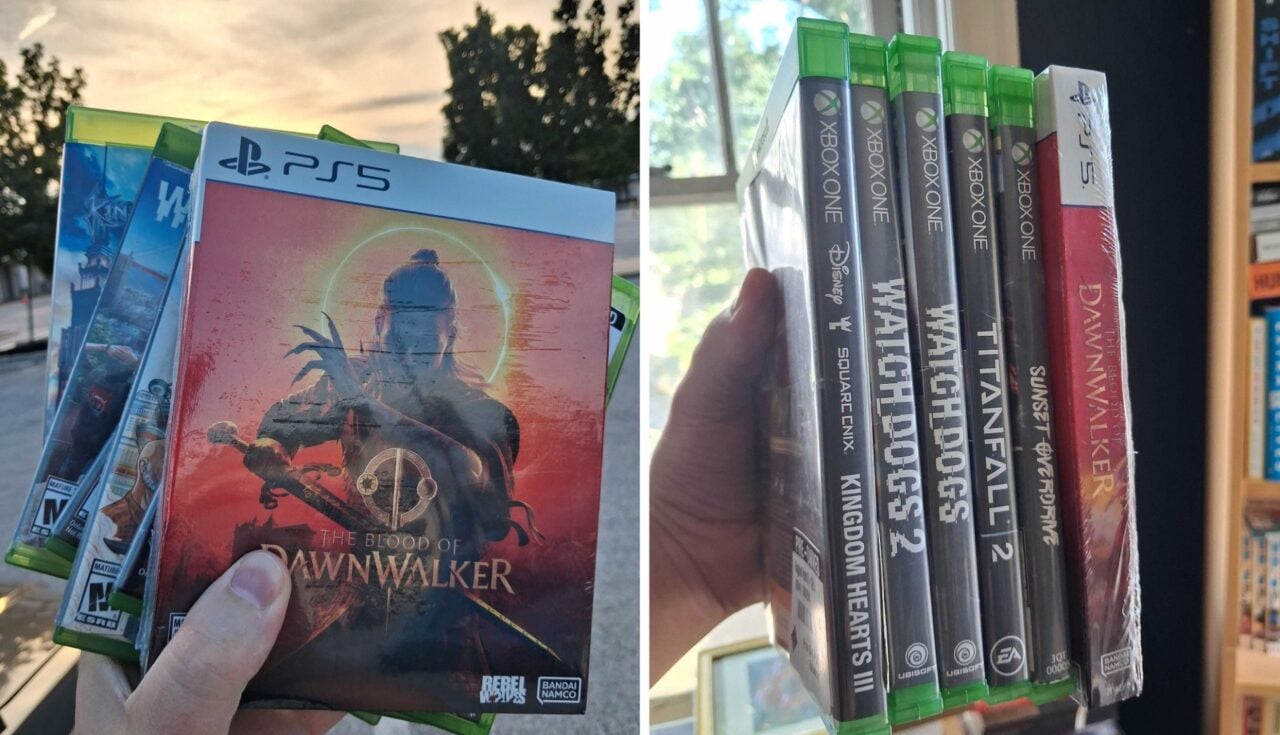
Despite the digital revolution, the tangible thrill of owning physical games and new Xbox licensing features are reviving the collector's spirit.
- Physical game collections offer a sense of ownership that digital licenses cannot replicate.
- Xbox's new disc-to-digital program is incentivizing players to revisit their old physical libraries.
- Premium physical editions, like those for 'The Blood of Dawnwalker', enhance the collector experience.
In an era dominated by cloud gaming and instant digital downloads, there remains a visceral, irreplaceable joy in walking out of a store with a heavy stack of physical game cases. It is a sensation that transcends profit and loss statements—a feeling of holding tangible memories in your hands. This sentiment is being bolstered by Microsoft's recent moves to integrate physical ownership with digital convenience.
The introduction of Xbox's new disc-to-digital licensing program has changed the landscape for long-time collectors. It allows players to bridge the gap between their dusty shelves of Xbox One titles and their modern digital libraries. During a recent trip to GameStop, the allure of titles like Watch Dogs, Titanfall 2, and Kingdom Hearts 3 proved that there is still a massive appetite for physical media.
Why This Matters
BozokMedia analysis shows that as gaming services move toward subscription-only models, the concept of 'true ownership' is becoming a luxury. Physical media serves as a hedge against digital storefront closures and changing licensing agreements, providing gamers with permanent access to their favorite worlds.
The weight of a physical game in your hand is a psychological anchor to a hobby that is increasingly becoming ephemeral.
Furthermore, the quality of physical releases is seeing a resurgence. Rebel Wolves' latest title, 'The Blood of Dawnwalker', exemplifies this. Unlike many modern releases that require massive day-one patches, this game offers a complete experience on the disc. Its premium packaging—featuring a metal case and beautiful in-game maps—reminiscent of CD Projekt Red's high standards, proves that physical goods can still feel like luxury items.
Historical Background
For decades, gaming was defined by the physical: the clatter of a disc in a tray, the manual tucked inside a box, and the ritual of inserting a cartridge. While the industry has shifted toward efficiency and affordability, the 'nostalgia loop' seen on social media highlights a deep-seated longing for the era of tactile gaming experiences.
| Feature | Physical Media | Digital Media |
|---|---|---|
| Ownership Certainty | High | Low (License-based) |
| Resale Value | Yes | No |
| Collector Appeal | High | Minimal |
Frequently Asked Questions
Question 1: How does the Xbox disc-to-digital program work?
Answer: It allows users to leverage their physical disc ownership to facilitate digital access on their consoles.
Question 2: Are physical games becoming obsolete?
Answer: While less common, they remain a vital niche for collectors and those prioritizing ownership.
