Major corporations like AT&T are slashing AI costs by up to 80% by pivoting from expensive closed models to customizable open-source alternatives. This shift is reshaping the global AI landscape.
- AT&T reports up to 80% savings by switching to open AI models.
- Open-source AI usage in US corporations has surged from 10% to 58% in a year.
- Chinese models like DeepSeek are providing high performance at a fraction of the cost.
- Nvidia's $12.9 billion acquisition of Hugging Face signals the massive value of open AI ecosystems.
A seismic shift is occurring in how American corporations consume artificial intelligence. For years, industry leaders relied on 'closed' models from providers like OpenAI and Anthropic, paying significant subscription fees for access to proprietary technology. However, a new trend is emerging: the massive adoption of open-source and open-weights AI models.
The Economic Driver: Drastic Cost Reductions
The primary catalyst for this transition is economic efficiency. AT&T, a major player in this shift, has seen its reliance on open models jump from 20% to 40%, with expectations to hit 60% soon. Andy Markus, AT&T’s Chief Data and AI Officer, noted that the company is saving as much as 80% on AI costs compared to earlier this year. This trend is mirrored by other giants like Airbnb and Deloitte, who find open models easier to customize for specific enterprise needs.
Open-source models offer a better bang for your buck, acting more like a reliable Mazda than a prohibitively expensive Maserati.
The Rise of Chinese AI Dominance
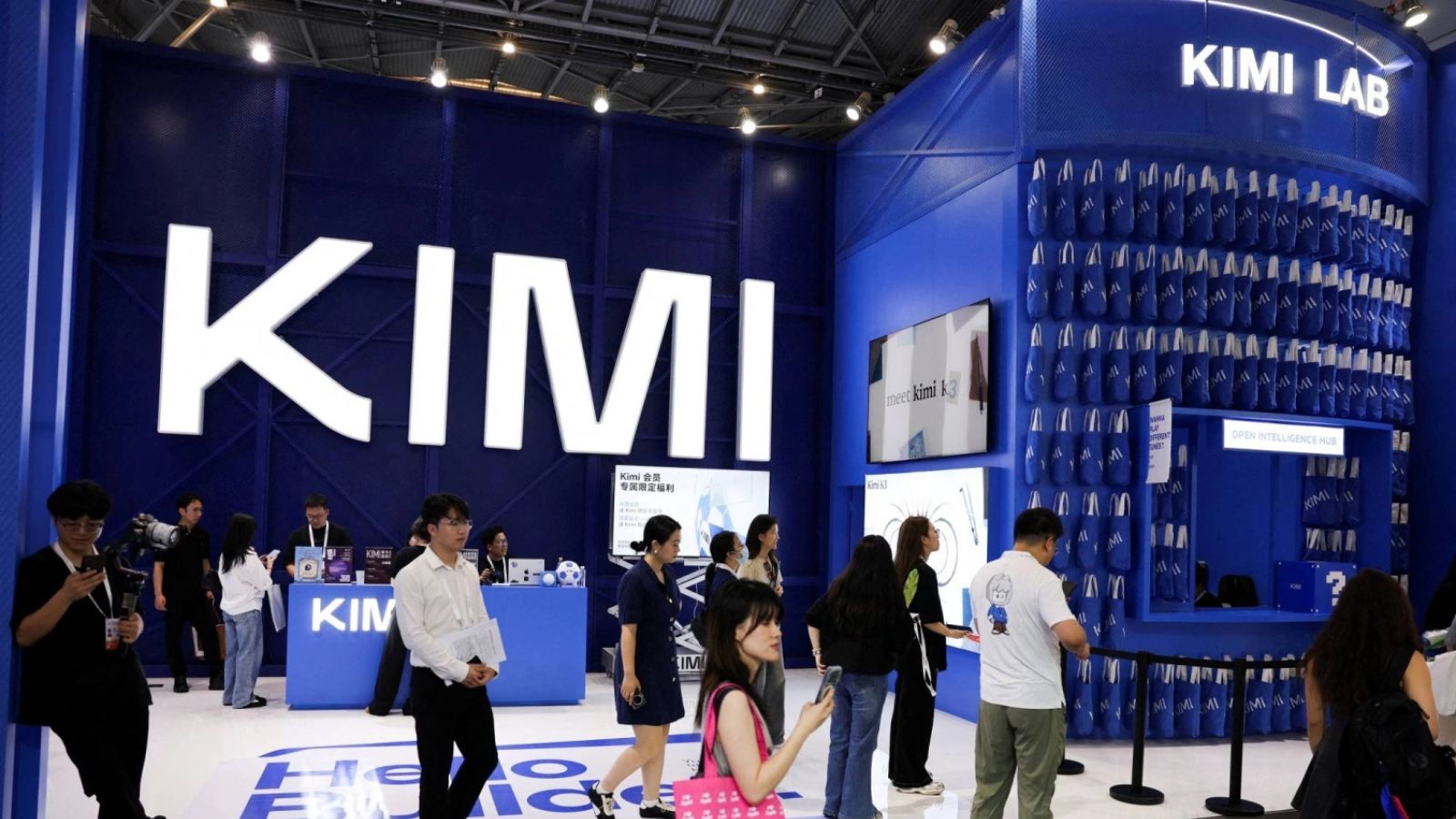
One of the most significant geopolitical implications of this trend is the prominence of Chinese AI. Models developed by companies such as Moonshot AI, DeepSeek, and Alibaba are becoming staples in the developer community. According to industry experts, some Chinese open models are now 80% to 90% as powerful as their American counterparts but cost only 20% of the price. While AT&T and others research these models, many US firms remain cautious due to data privacy and regulatory concerns, opting instead for US-made open models like Meta’s Llama or Google’s Gemma.
Why This Matters
BozokMedia analysis shows that this move toward openness could disrupt the path to profitability for companies like OpenAI and Anthropic. As these startups prepare for massive IPOs, they face a growing challenge: how to maintain high margins when their core technology can be replicated and run locally by competitors using open-source frameworks.
| Feature | Closed AI (e.g., OpenAI) | Open-Source AI (e.g., Llama) |
|---|---|---|
| Cost Structure | High Subscription Fees | Low (Server/Compute Costs) |
| Customization | Minimal/Restricted | High/Full Control |
| Data Privacy | Provider Controlled | User Controlled |
Frequently Asked Questions
1. What is the difference between open-source and open-weights models?
Open-source models make the underlying code public, while open-weights models make the numerical parameters (weights) public, allowing for easier local deployment.
2. Why are US companies hesitant to use Chinese AI?
Concerns primarily revolve around data privacy, national security, and potential regulatory complications in the US market.