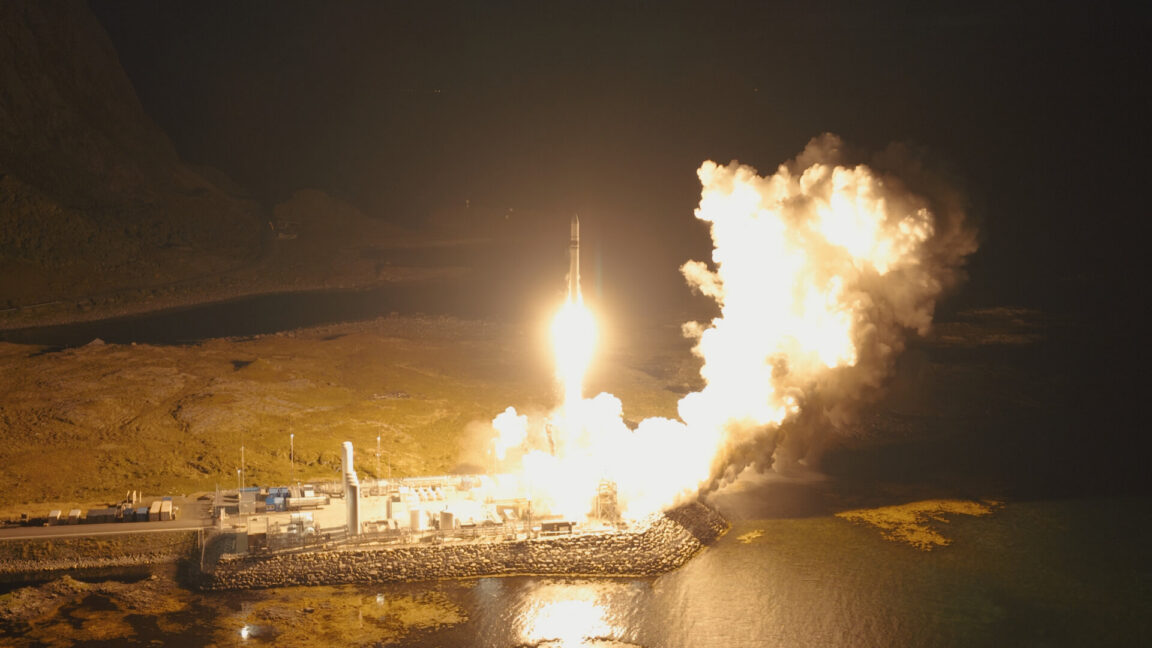
Nine ISRO employee associations have formally approached Chairman V. Narayanan, seeking clarity on whether the space agency will cease manufacturing launch vehicles following recent remarks by IN-SPACe leadership.
- Nine ISRO employee unions have requested urgent clarification from Chairman V. Narayanan.
- Concerns revolve around the potential cessation of ISRO's launch vehicle manufacturing.
- Statements by IN-SPACe chief Pawan Goenka triggered the unrest.
A significant wave of uncertainty has hit the Indian Space Research Organisation (ISRO). Nine prominent employee associations within the agency have officially sought clarification from Chairman V. Narayanan regarding the future of ISRO's manufacturing capabilities. The core of the concern lies in the potential privatization of the agency's most critical functions.
The tension follows recent remarks made by Pawan Goenka, the chief of IN-SPACe (Indian National Space Promotion and Authorization Centre). Goenka suggested that the responsibility of manufacturing launch vehicles could eventually be transitioned to private players or Public Sector Undertakings (PSUs). These comments have sparked fears among the scientific community that ISRO might be relegated to a purely research-oriented role, losing its manufacturing backbone.
Why This Matters
BozokMedia analysis shows that ISRO's identity has been deeply intertwined with its ability to design, build, and launch its own rockets. Any shift that moves core manufacturing to the private sector could alter the strategic landscape of India's space program and impact the technical autonomy of the nation.
The transition from a state-led manufacturing model to a private-sector driven ecosystem is a delicate balancing act for India's space sovereignty.
Employee associations argue that the expertise developed over decades by ISRO's workforce is irreplaceable. They fear that outsourcing the production of launch vehicles will not only diminish the agency's technical depth but also create long-term job insecurity for thousands of specialized engineers and technicians.
Historical Background
Since its inception in 1969, ISRO has evolved from transporting rocket parts on bicycles to becoming a global leader in cost-effective space exploration. The development of the PSLV and GSLV series stands as a testament to ISRO's indigenous manufacturing prowess. The current debate is part of a larger push by the Indian government to liberalize the space sector and encourage private investment.
Frequently Asked Questions
1. What is the main demand of the ISRO employees?
They want the government to clarify if ISRO will stop manufacturing its own rockets in favor of private companies.
2. Who triggered this controversy?
The controversy stems from comments made by IN-SPACe chief Pawan Goenka regarding the role of private players in manufacturing.