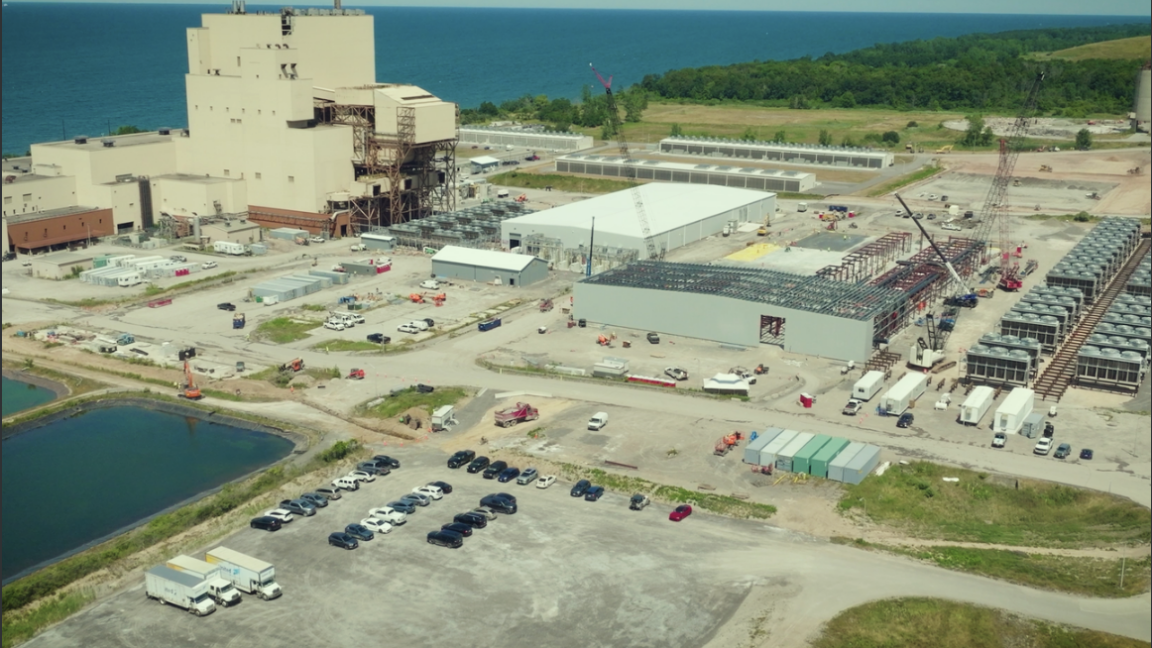
A devastating fire at the Lake Mariner AI data center in New York has exposed a dangerous lack of safety protocols and a convoluted corporate structure involving Google and TeraWulf.
- A fire at the unfinished Lake Mariner data center revealed non-functional alarms and dead hydrants.
- Safety documentation was reportedly destroyed in the blaze, leaving firefighters blind to chemical risks.
- The project involves a complex web of entities including TeraWulf, Fluidstack, Google, and Anthropic.
In early June, a significant fire erupted within an unfinished structure at the Lake Mariner data center in Somerset, New York. The incident did more than cause physical damage; it peeled back the curtain on a systemic failure of safety preparedness. First responders from the Barker Fire Department reported a harrowing scene where basic safety infrastructure—including fire alarms and suppression systems—was entirely non-functional. Most alarmingly, three fire hydrants were found to be dead, severely hindering the initial response efforts.
Steve Matisz, chief of the Barker Fire Department, described the operation as "going in blind." Firefighters were forced to battle thick, black smoke emanating from unidentified chemicals. The safety data sheets (SDS), which are legally required to inform emergency services about hazardous materials on-site, were reportedly destroyed in the fire itself—a claim that has raised serious questions regarding the facility's compliance and transparency.
Why This Matters
BozokMedia analysis shows that as the AI arms race accelerates, the physical infrastructure is being rushed to completion, often bypassing critical safety audits. The Lake Mariner site represents a broader trend where the urgency for compute power outweighs the implementation of basic life-safety systems. When corporate structures are this fragmented, accountability for these lapses becomes nearly impossible to pin down.
The gap between the digital ambition of AI and the physical reality of industrial safety is becoming a liability for local municipalities.
The corporate architecture of this $3.2 billion campus is as complex as the AI it intends to house. The facility is owned and operated by TeraWulf, which leases the land from a company owned by its own CEO. The operational management is handed to Fluidstack, a UK-based AI firm. Adding to the complexity, Google holds warrants for a 14 percent equity stake and acts as a guarantor for Fluidstack’s lease payments, while Anthropic stands as a primary beneficiary of the facility's compute power.
This web of leases, warrants, and guarantees creates a "responsibility vacuum." If a catastrophic failure occurs, the lines between the landowner, the operator, the financial guarantor, and the end-user are blurred, potentially leaving local governments and emergency services to bear the risk without adequate recourse.
| Entity | Role in Project | Nature of Involvement |
|---|---|---|
| TeraWulf | Owner/Operator | Infrastructure Management |
| Fluidstack | Operator | AI Service Management |
| Financial Backer | Equity Warrants & Lease Guarantee | |
| Anthropic | End User | Compute Demand |
Frequently Asked Questions
Who is legally responsible for the safety failures at the Lake Mariner site?
While TeraWulf operates the center, the complex leasing agreement between the CEO's land company and Fluidstack makes legal liability a complex matter for investigators.
What was the impact of the missing safety sheets?
The lack of safety sheets meant firefighters could not identify the chemical composition of the smoke, significantly increasing the health risk to first responders.


