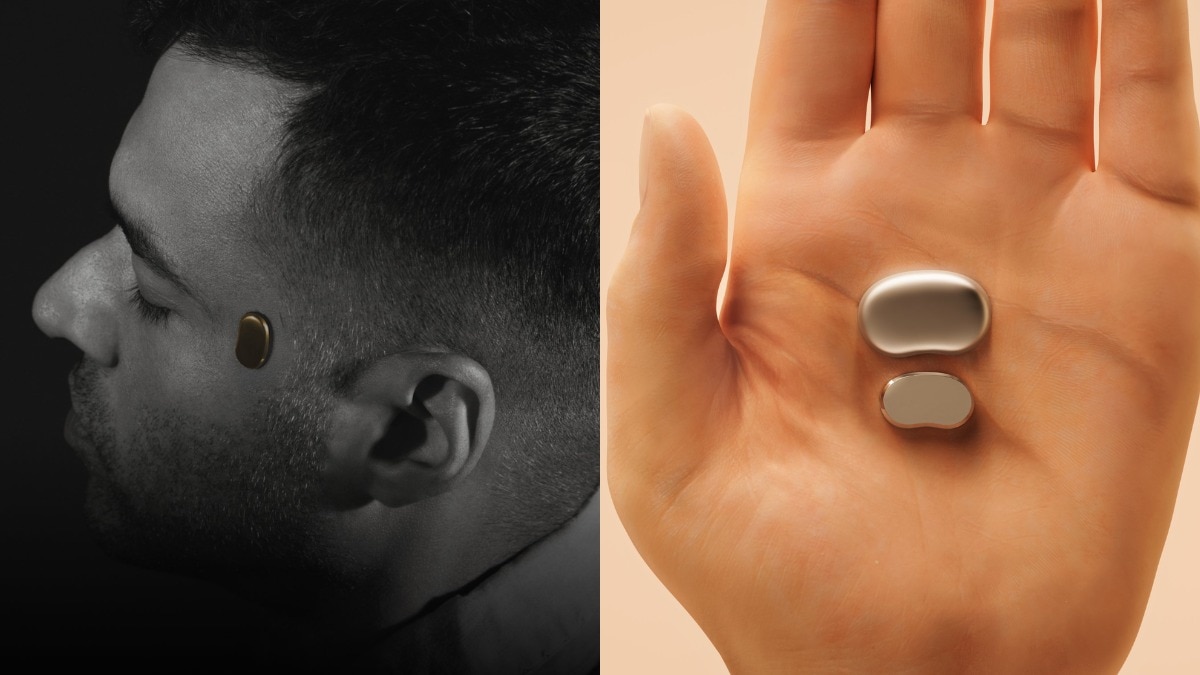
A groundbreaking validation study shared by Deepinder Goyal suggests that the Temple wearable can accurately track cerebral blood flow changes, matching the accuracy of medical-grade TCD tests.
- Temple wearable can non-invasively track changes in cerebral blood flow.
- A validation study compared Temple's readings against the gold-standard Transcranial Doppler (TCD).
- The device uses optical sensors placed on the temple area of the forehead.
Deepinder Goyal's ambitious health-tech venture, Temple, is making significant waves in the wearable industry. Moving beyond the capabilities of standard smartwatches, Temple aims to provide deep neurological insights. In a recent update, Goyal shared the results of the device's first validation study, proving its ability to track changes in brain blood flow.
The Science Behind the Validation Study
The study, titled “Concordance Between a Temple-Worn Optical Wearable and Transcranial Doppler During Exercise and Postural Transitions in Healthy Adults,” compared Temple's 'Brain Flow' index against Transcranial Doppler (TCD). TCD is an established ultrasound technique used by medical professionals to measure blood-flow velocity in the brain.
Researchers conducted tests on 23 healthy adults under two specific conditions: physical exercise (cycling) and a postural shift (moving from standing to lying down). The findings were striking: as participants' blood flow velocity increased during exercise, Temple's readings followed the exact same pattern. Similarly, during postural changes, the device successfully captured the fluctuations recorded by the medical-grade TCD device.
Why This Matters
BozokMedia analysis shows that this represents a paradigm shift in preventative healthcare. While current wearables focus on cardiovascular metrics like heart rate and SpO2, Temple is venturing into the realm of neuro-monitoring. By providing a non-invasive way to observe cerebral activity, this technology could eventually bridge the gap between consumer electronics and clinical diagnostics.
The ability to track cerebral hemodynamics via a small optical sensor could redefine personal neurological wellness.
How it Works: It is important to note that Temple does not directly measure blood volume. Instead, it utilizes a tiny optical sensor on the side of the forehead to detect changes in light signals, which are then processed to generate the Brain Flow reading.
Historical Background
For decades, monitoring cerebral blood flow required specialized, bulky, and expensive medical equipment like TCD. The transition toward miniaturized, wearable optical sensors represents the next frontier in medical technology, aiming to make complex physiological data accessible to the everyday user.
Frequently Asked Questions
1. Is Temple a replacement for medical TCD tests?
Not yet. While the study shows high concordance, larger clinical trials are needed before it can be considered a medical diagnostic tool.
2. When can consumers buy Temple?
Limited-edition pre-orders are expected soon, with shipments projected before the end of 2026.