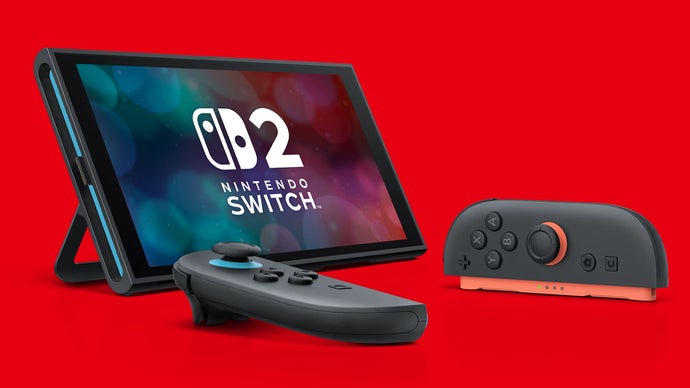
A recent teardown of the EU-compliant Nintendo Switch 2 reveals that meeting 'Right to Repair' regulations has led to a slightly smaller battery and a heavier console design.
- The new Switch 2 model complies with EU 'Right to Repair' and battery regulations.
- Battery capacity has decreased by approximately 1% (48 mAh).
- The console is 14 grams heavier with Joy-Cons attached.
- Internal design changes allow for easier battery replacement via specialized kits.
As the updated Nintendo Switch 2 models begin to hit retail shelves, gaming enthusiasts and hardware experts are diving deep into the internals to understand the recent design shifts. The primary driver behind these changes isn't performance enhancement, but rather regulatory compliance. Nintendo has been working to align its hardware with the European Union's strict Right to Repair directive and updated battery regulations.
A detailed teardown conducted by the YouTube channel Nintendúo has provided a side-by-side comparison between the original launch model and the new EU-compliant revision. The findings highlight significant structural changes intended to make the device more sustainable and user-serviceable, albeit with some minor trade-offs in hardware specifications.
Technical Discrepancies and Design Changes
The most notable finding is the reduction in battery capacity. To accommodate the new design requirements, the battery has been trimmed by roughly 1%, or about 48 mAh. Additionally, the overall weight of the unit—including the Joy-Cons—has seen an increase of 14 grams. Inside the device, the heat shield no longer covers the battery to facilitate easier access, leading Nintendo to wrap the battery in thicker insulation to prevent overheating.
This shift marks a significant transition for Nintendo, moving from a closed-system philosophy toward a more modular, repairable hardware ecosystem.
Why This Matters
BozokMedia analysis shows that this is a landmark moment for the gaming industry. For years, handheld consoles have been treated as monolithic, non-serviceable units. The EU's pressure is forcing manufacturers to rethink product lifecycles. While gamers might face a slightly shorter battery life and a marginally heavier device, the long-term benefit is a reduction in electronic waste and lower maintenance costs for the consumer.
Historical Background
The European Union's push for 'Right to Repair' is part of a broader environmental initiative to combat the growing problem of e-waste. By mandating that companies make spare parts and repair instructions available, the EU aims to extend the lifespan of consumer electronics, a movement that is now fundamentally altering how companies like Nintendo design their flagship products.
| Feature | Launch Model | EU Revised Model |
|---|---|---|
| Battery Capacity | Standard | ~1% Lower (48 mAh less) |
| Weight (with Joy-Cons) | Standard | 14g Heavier |
| Repairability | Low (Sealed) | High (Accessible) |
Frequently Asked Questions
1. How can I identify the new EU model?
Look for visible screws in the Joy-Con rails and check if the serial number begins with 'HLE' in Europe.
2. Will Nintendo sell replacement batteries?
Yes, Nintendo plans to sell replaceable batteries alongside a comprehensive installation kit.