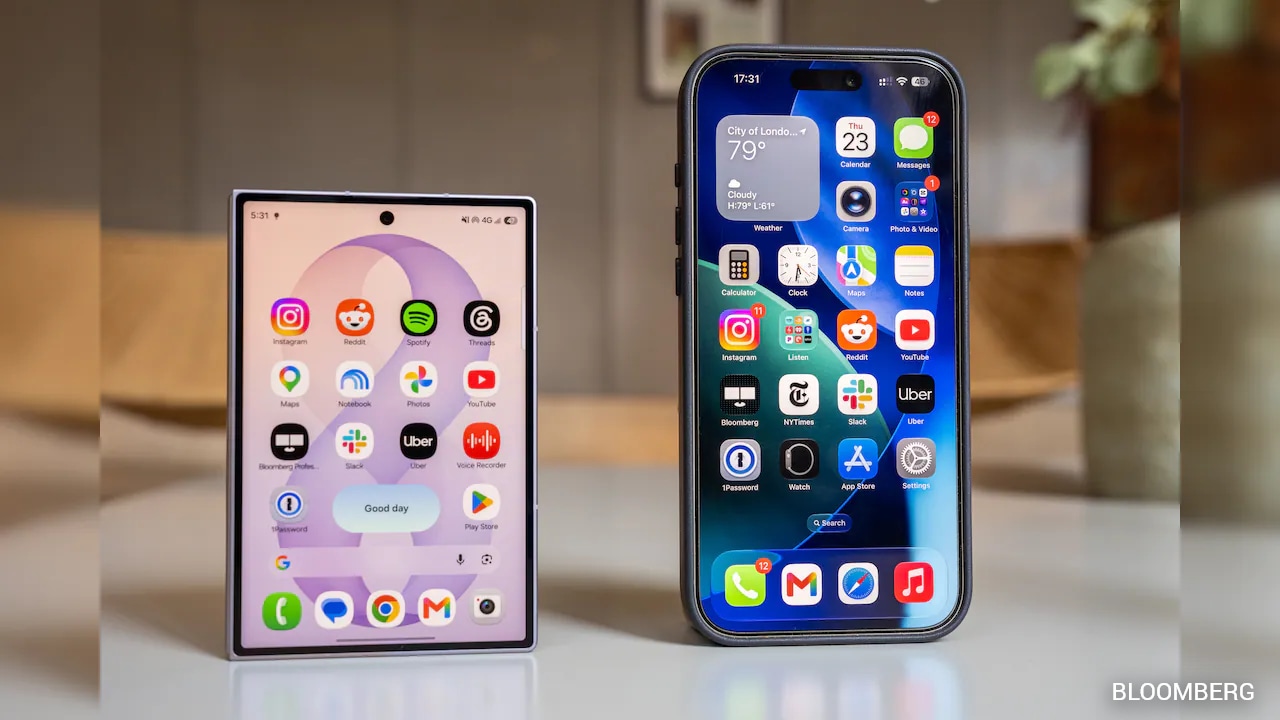
After a decade of secret development, Apple is poised to enter the foldable market with a device starting at $2,000, potentially reaching $3,000 for top-tier models.
- The foldable iPhone is the result of nearly 10 years of rigorous R&D.
- Entry-level pricing is expected at $2,000, with high-capacity models hitting $3,000.
- CEO Tim Cook's 2020 trip to Asia served as a catalyst for the product's acceleration.
For nearly a decade, Apple Inc. has been operating in the shadows to develop a foldable device that aligns with its uncompromising standards of quality and design. While competitors rushed to market, Apple focused on solving the fundamental engineering flaws associated with foldable displays, such as the visible crease and long-term durability.
A pivotal moment occurred around 2020, when CEO Tim Cook returned from an extensive tour of Asia. Energized by the adoption of foldable tech in Eastern markets, Cook reportedly pushed for a more aggressive timeline to integrate this form factor into the iPhone lineup. This shift marked the transition from theoretical research to active product development.
Why This Matters
BozokMedia analysis shows that Apple is leveraging a 'calculated delay' strategy. By entering the market late, they avoid the costly trial-and-error phase experienced by early adopters. This allows Apple to position the foldable iPhone not as an experiment, but as a refined, luxury tool for power users and executives.
"Apple's strategy is rarely about being the first to innovate, but rather about being the first to perfect the user experience at scale."
The pricing strategy reflects the device's positioning as a luxury asset. With a base price of $2,000 and high-storage configurations potentially reaching $3,000, Apple is targeting the ultra-premium segment. This pricing structure is designed to maintain high margins while signaling the device's exclusivity.
Historically, Apple's foray into new categories—such as the iPad or the Apple Watch—followed a similar pattern: careful observation, internal iteration, and a grand entrance that disrupts the existing market. The foldable iPhone is expected to follow this blueprint, integrating deeply with the iOS ecosystem to provide a seamless multitasking experience.
Frequently Asked Questions
1. When will the foldable iPhone be released?
Apple has not officially confirmed a date, but industry leaks suggest it is in the final stages of refinement.
2. Why is it so expensive compared to standard iPhones?
The cost is driven by the complex hinge mechanism and the specialized foldable OLED panels required for the display.