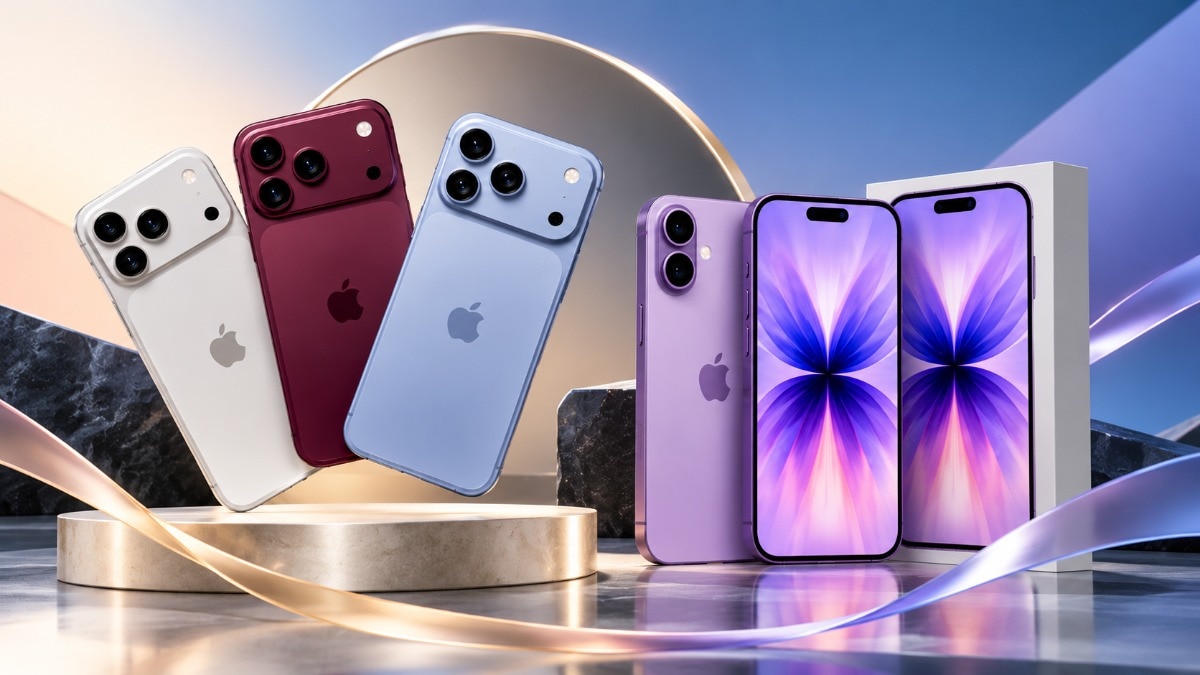
In a rare strategic shift, Apple has increased the prices of the iPhone 17 and other older models coinciding with the launch of the iPhone 18 series. This unusual move is driven by 'chipflation' and a global memory supply crunch fueled by the AI boom.
- Apple raised prices on iPhone 17, 16, 17e, and iPhone Air instead of discounting them.
- The primary driver is 'Chipflation'—the rising cost of DRAM and NAND storage due to AI data center demand.
- The iPhone 17 price in India jumped by ₹17,000 to ₹99,900.
- Apple introduced the iPhone 18 Pro, Pro Max, and the first-ever foldable 'iPhone Duo'.
Apple has disrupted its long-standing pricing tradition. Historically, the launch of a new iPhone generation triggered immediate price drops for previous models to clear inventory and attract budget-conscious buyers. However, during the September 9 "Surprise and Shine" event, while the world focused on the iPhone 18 Pro and the groundbreaking iPhone Duo foldable, a shocking trend emerged: the prices of the iPhone 17, iPhone 16, and iPhone Air surged upward.
The catalyst for this anomaly is a phenomenon known as "Chipflation." This refers to the sharp inflation of semiconductor prices, specifically memory and storage chips. As the global artificial intelligence boom accelerates, cloud providers and AI developers are constructing massive data centers that require astronomical amounts of high-bandwidth memory. This has created a fierce competition for components, leaving consumer electronics manufacturers struggling to secure supply at previous price points.
Why This Matters
BozokMedia analysis shows that this is not merely a pricing tweak but a symptom of a structural shift in the tech supply chain. Memory, which once represented a small fraction of a smartphone's Bill of Materials (BoM), has now become a dominant cost driver. TrendForce reports indicate that for the iPhone 18 Pro, memory's share of the BoM surged from 10% to roughly 34% in 2026. This means the internal cost of building a phone is rising faster than Apple's willingness to absorb the loss.
The AI revolution is ironically making standard consumer hardware more expensive by cannibalizing the supply of essential memory components.
Apple had previously signaled this shift. In June, CEO Tim Cook warned the Wall Street Journal that soaring storage costs were becoming unsustainable. This was followed by price hikes for the MacBook Neo and iPad lines, proving that the iPhone price jump was an inevitable conclusion to a broader corporate strategy to maintain profit margins amidst supply volatility.
In the Indian market, the impact is severe. The iPhone 17 saw a 20.5% increase, jumping from ₹82,900 to ₹99,900. Even more drastic was the iPhone Air, which witnessed a massive ₹30,000 hike, now retailing at ₹1,49,900. This puts immense pressure on consumers who were waiting for the new launch to buy the previous generation at a discount.
| Model | Old Price (INR) | New Price (INR) | Increase (INR) |
|---|---|---|---|
| iPhone 17 | 82,900 | 99,900 | 17,000 |
| iPhone 16 | 69,900 | 89,900 | 20,000 |
| iPhone Air | 1,19,900 | 1,49,900 | 30,000 |
| iPhone 17e | 64,900 | 79,900 | 15,000 |
Frequently Asked Questions
Q: Why didn't Apple lower the price of the iPhone 17?
A: Due to 'chipflation,' the cost of memory chips (DRAM/NAND) rose significantly because of AI data center demand, forcing Apple to raise prices to protect margins.
Q: What is the iPhone Duo?
A: The iPhone Duo is Apple's first foldable smartphone, launched alongside the iPhone 18 series with a starting price of ₹2,99,900 in India.


