A critical vulnerability in Google Play's Early Access program allows deceptive apps to bypass public scrutiny. By leveraging the lack of public reviews, scammers are deploying fake casino and reward apps via AI deepfakes.
- Google's Early Access program disables public ratings and reviews, creating a transparency gap.
- Scammers use this lack of visibility to host fake casino and reward-based applications.
- Aggressive promotion via TikTok and Facebook utilizes AI-generated celebrity deepfakes.
- Intellectual property and trademarks are being blatantly infringed upon within the program.
Google Play's Early Access program was envisioned as a collaborative ecosystem where developers could refine their software based on early adopter feedback. However, this benevolent feature has been weaponized by malicious actors. The core of the issue lies in a specific policy: users are prohibited from leaving public reviews or star ratings while an application remains in the Early Access phase.
The Mechanics of the Exploit
An extensive analysis by Bitdefender has uncovered thousands of applications that masquerade as legitimate tools or games but are actually deceptive traps. These include fake casino apps and 'reward' platforms that promise easy money. In a standard Play Store release, a fraudulent app would be quickly flagged by a wave of one-star reviews. In Early Access, this critical 'trust signal' is absent, leaving new users blind to the experiences of their predecessors.
Why This Matters
BozokMedia analysis shows that the erosion of transparency in app distribution leads to a systemic increase in financial fraud. When the primary mechanism for community warning—the review section—is disabled, the burden of security shifts entirely to the user, who may not have the technical expertise to vet a package. This creates a high-risk environment where deceptive apps can scale rapidly before being detected by Google's automated systems.
"The absence of public scrutiny transforms a developer's sandbox into a scammer's playground, effectively silencing the community's collective defense mechanism."
The Role of AI Deepfakes and Social Engineering
The funnel for these apps often begins on social media platforms like TikTok and Facebook. Scammers employ AI-generated deepfakes of celebrities and athletes to lend an air of legitimacy to their claims. For instance, games like 'Chicken Road' or 'Ice Fishing' promise that users can multiply their investments through simple gameplay.
These apps typically utilize a psychological engagement loop: users are given small, virtual rewards immediately to build trust. However, once a withdrawal threshold is reached, the app either freezes the payout or demands further 'fees,' all while bombarding the user with advertisements to generate revenue for the developer.
Trademark Infringement and Brand Mimicry
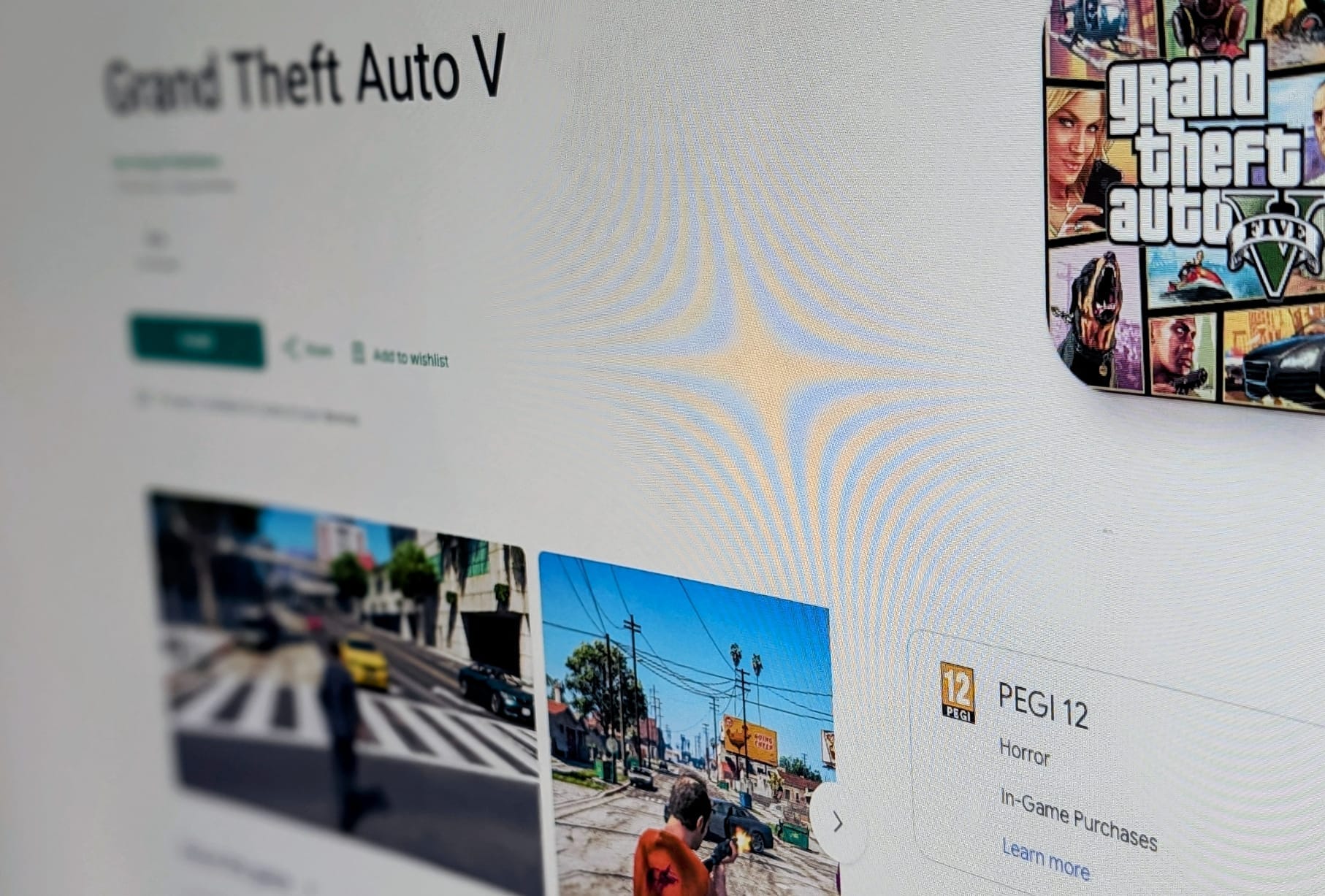
Beyond financial scams, the Early Access catalog is rife with trademark abuse. Malicious developers upload apps using established names—such as the GTA franchise—to trick fans into downloading unofficial and potentially harmful software. This mimicry allows them to siphon traffic from global brands without facing immediate public backlash.
| Feature | Standard Play Store App | Early Access (Exploited) App |
|---|---|---|
| Public Ratings | Visible & Influenceable | Disabled/Hidden |
| Review System | Community-driven warnings | Private feedback only |
| Marketing | Official/Organic | Deepfake-driven social ads |
| Risk Profile | Moderate (Vetted by users) | High (Hidden risks) |
Frequently Asked Questions
Q1: How can I protect myself from deceptive Early Access apps?
A: Be skeptical of any app that promises guaranteed financial returns or rewards, especially those promoted via social media ads without a public rating history.
Q2: Why doesn't Google ban these apps immediately?
A: While Google removes them, scammers use automated scripts to upload clones under different developer accounts, creating a persistent cycle of infringement.