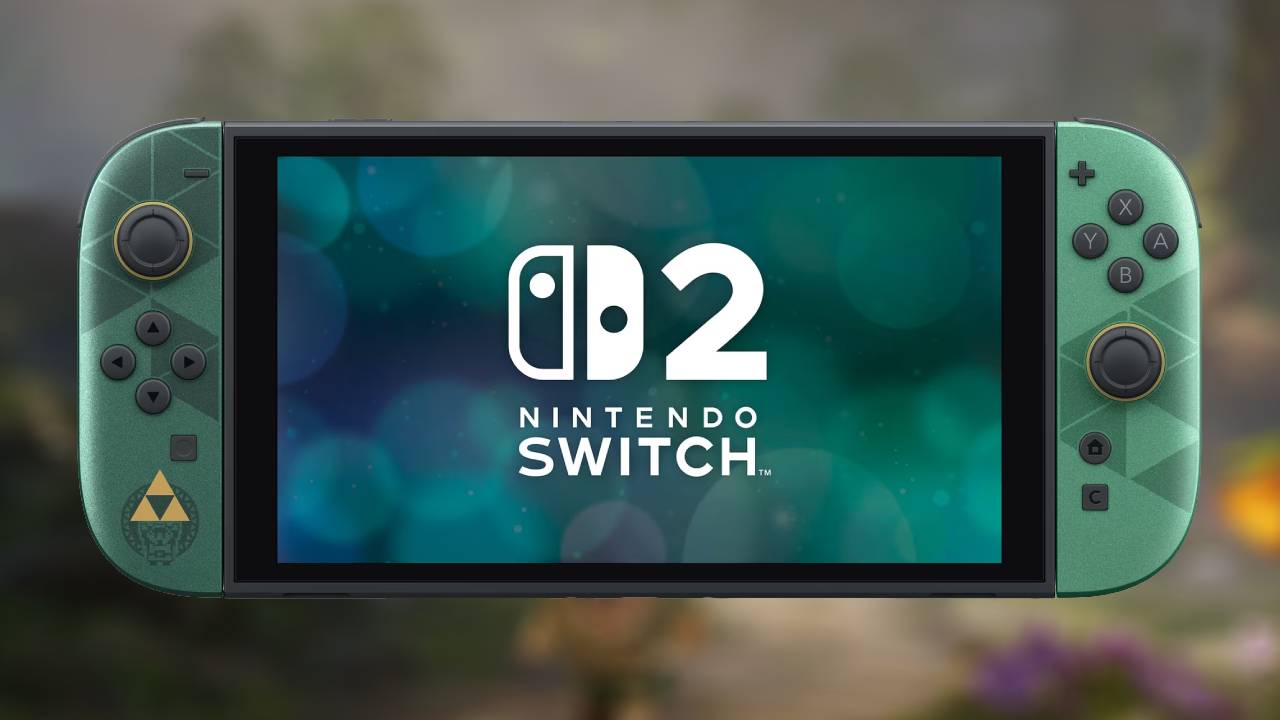
Facing a class action lawsuit for withholding tariff refunds, Nintendo of America has announced a massive 'Customer Appreciation Sale' funded by the very rebates customers are claiming.
- Nintendo is using government tariff refunds to fund a limited-time promotional sale.
- The company is currently fighting a class action lawsuit regarding these refunds.
- Industry giants Microsoft and Sony have aligned with Nintendo against issuing direct refunds.
Nintendo of America finds itself in a precarious legal position. The company is currently the target of a class action lawsuit alleging that it failed to pass on government tariff refunds to consumers who paid inflated prices during a period of increased import costs. In a move that has sparked widespread backlash, Nintendo has announced a "Customer Appreciation Sale," which the company admits was made possible by these very refunds.
In a recent blog post, Nintendo described the event as one of its "largest promotions ever." However, the phrasing used has left the community bewildered. The company stated: "While Nintendo absorbed most tariff-related costs, the refunds helped make promotions like this one possible." This admission confirms that money intended to offset consumer losses is being used to incentivize further spending.
Why This Matters
BozokMedia analysis shows that this is a calculated attempt to pivot a legal liability into a marketing win. By framing the use of refunds as a "gift" to the community, Nintendo is attempting to neutralize consumer anger. However, by requiring customers to spend more money to benefit from the refunds, the company is effectively creating a closed-loop revenue system that benefits its bottom line more than the consumer.
"Converting a legal obligation to refund overcharges into a promotional discount is a bold, if not cynical, corporate maneuver."
To provide historical context, following the implementation of US government tariffs last year, Nintendo increased prices across several product lines, citing "market conditions." While the company claims to have "absorbed" the majority of these costs, the subsequent government rebates have provided a windfall that the company is now leveraging for sales rather than direct restitution.
Nintendo is not alone in this stance. Microsoft and Sony have joined the pushback against the lawsuit, arguing that they have no obligation to pass these refunds to customers, maintaining that buyers received "what they bargained and paid for" at the time of purchase.
| Perspective | Nintendo's Stance | Consumer Stance |
|---|---|---|
| Cost Burden | Claims to have absorbed most costs | Paid higher retail prices due to tariffs |
| Refund Handling | Used funds for promotional sales | Demanding direct cash refunds |
1. When does the Nintendo sale take place?
The sale runs from September 13th to September 26th on the eShop, Nintendo Store, and participating retailers.
2. Why are Microsoft and Sony involved?
They are supporting Nintendo's legal argument that they are not obligated to provide tariff refunds to previous buyers.