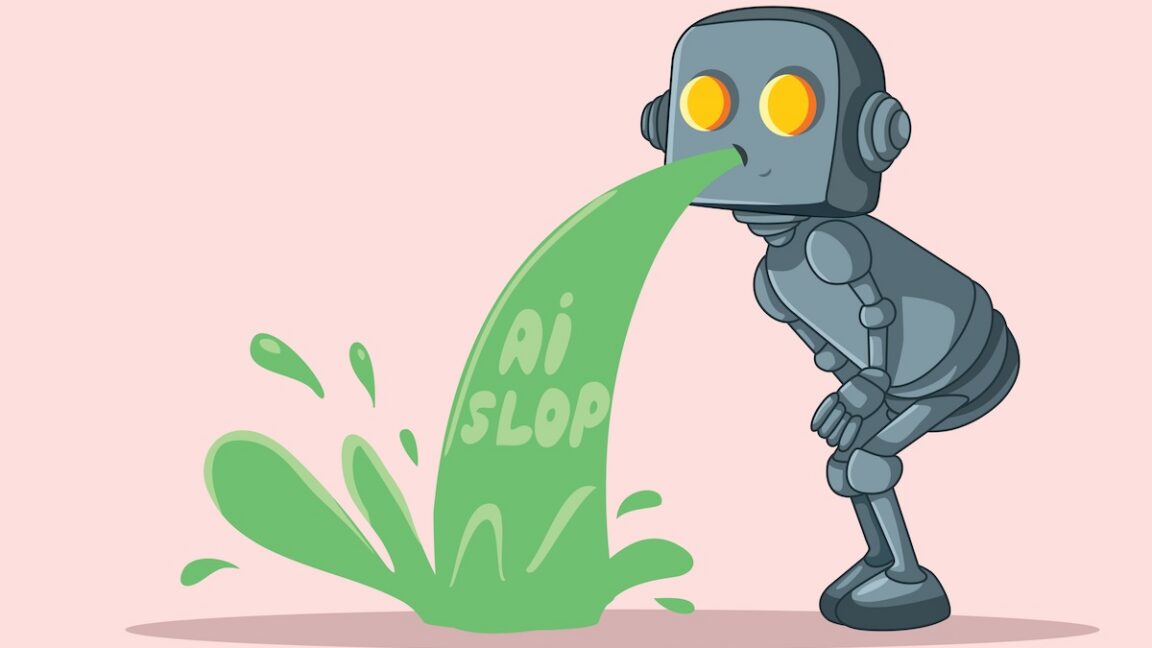
Generative AI is enabling the manufacture of a synthetic past, turning nostalgic aesthetics into tools for political manipulation. Explore the hidden societal and ethical costs of a world where seeing is no longer believing.
- AI is compressing the infrastructure needed to manufacture convincing realities on demand.
- Political entities are transitioning from using AI for entertainment to using it for strategic attacks.
- The erosion of visual evidence threatens the very foundation of societal trust.
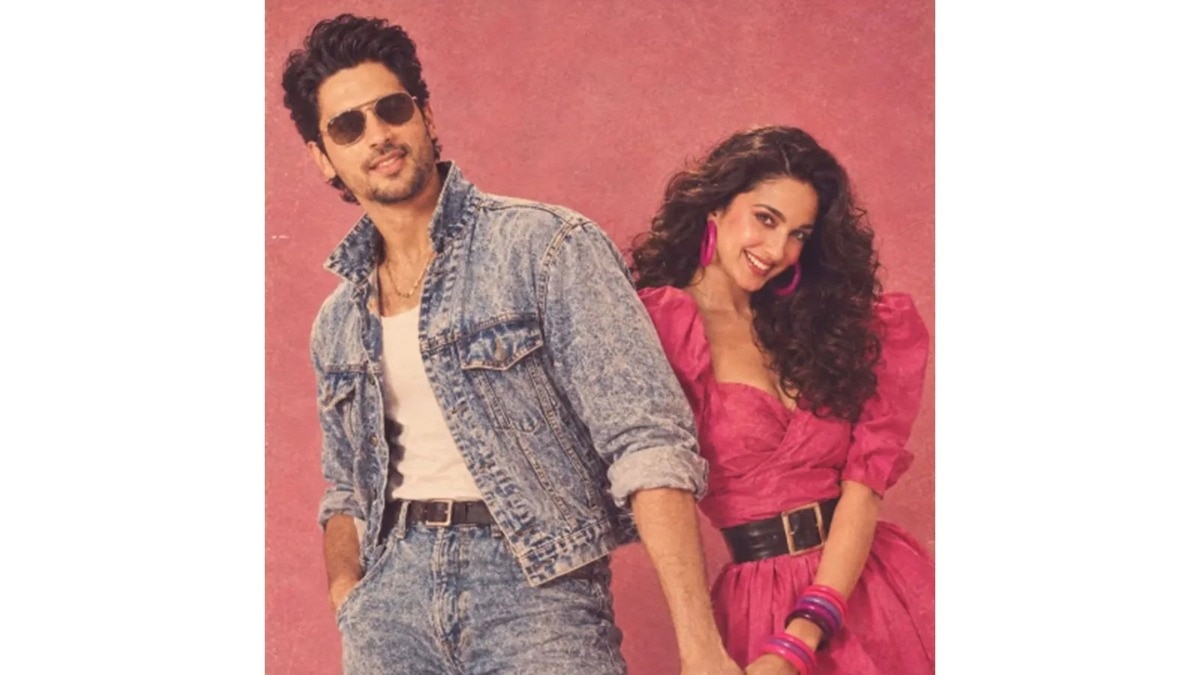
Social media is currently saturated with images of bouffant hair, aviator glasses, and the warm imperfections of analogue film. However, much of this 1980s aesthetic never actually existed; it is being synthesized in the present through Generative AI. What began as a whimsical exercise in nostalgia has rapidly evolved into a tool for political maneuvering.
The shift was evident when political wings, such as Congress Kerala and BJP Telangana, began posting fabricated scenes—ranging from invented streetscapes in Gujarat to fabricated Italian bars. This progression from entertainment to self-presentation and finally to political attack highlights the dangerous speed at which AI can weaponize nostalgia.
Why This Matters
BozokMedia analysis shows that we are entering an era where the 'cost' of production is decoupled from the final product. Similar to how the fashion industry hid the environmental and labor costs of cheap clothing, AI hides the energy consumption, data theft, and loss of intellectual property behind a seamless digital image. The intangible nature of AI does not make it consequence-free.
For the next generation, digital literacy will mean learning not to believe all we see, shifting the burden of proof from the creator to the observer.
Historically, photographs possessed a unique authority. While they could be staged, the cultural contract was that a camera had encountered a physical reality. Generative AI shatters this contract. The danger is not merely that we might believe a lie, but that we will eventually begin to doubt the truth, leading to a systemic erosion of confidence in visual evidence.
The solution is not a Luddite rejection of technology, but the rapid development of norms. We must acquire a new cognitive reflex. As fashion cycles return but never to the same world they left, AI allows us to manufacture a past, but our handling of this power will define our collective future.
Frequently Asked Questions
Q1: How does AI-generated nostalgia affect political discourse?
A: It allows parties to create 'alternative facts' visually, making fabricated narratives seem historical and authentic.
Q2: What is the 'invisible cost' mentioned in the article?
A: It refers to the environmental impact of data centers, the lack of consent for training data, and the psychological cost of losing trust in reality.