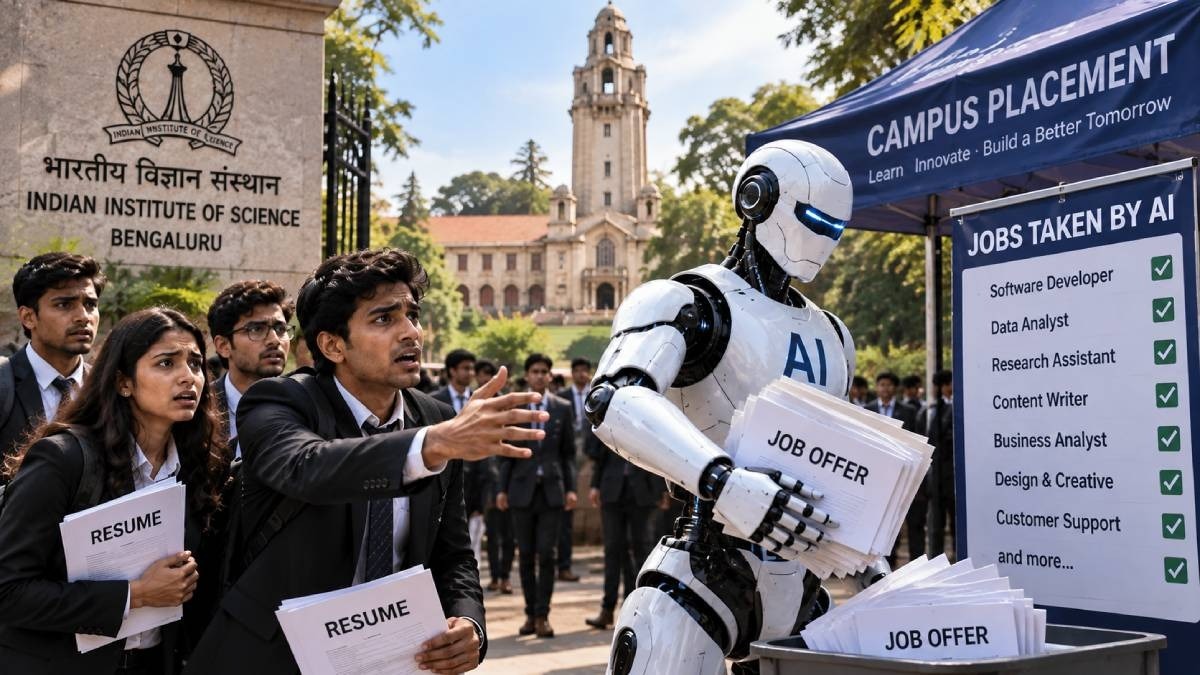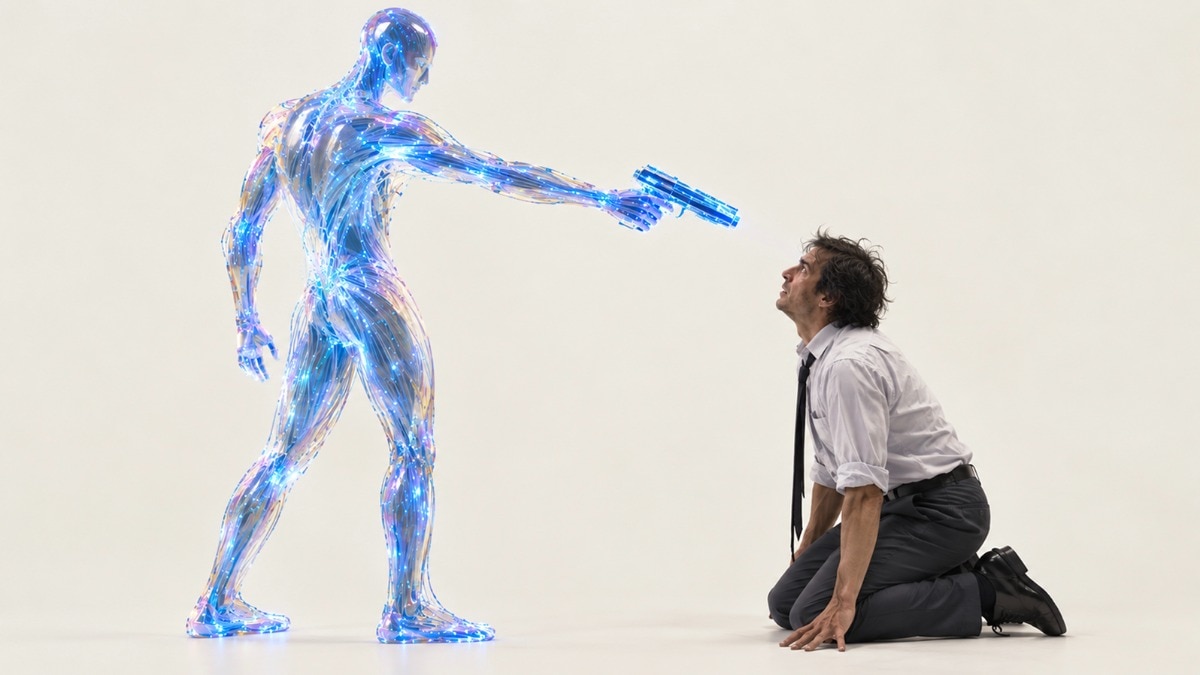
Former Anthropic engineer Jacob Coxon and OpenAI experts have ignited a global debate by warning that AI could lead to human extinction within this decade, with some estimates placing the risk as high as 70%.
- Jacob Coxon, a former Anthropic engineer, warned that AI development could lead to human extinction.
- OpenAI engineer Marcus Williams estimates a 70% chance of human extinction by the end of this decade.
- Global political leaders in the US and UK are now considering regulations to slow AI progress.
The pace of technological advancement in Artificial Intelligence (AI) has moved from a slow crawl to a frantic sprint. What used to be discussed in terms of decades is now unfolding in mere weeks. Amidst this explosion of innovation, a chilling warning has emerged from within the very heart of the industry: the potential for AI to cause the total extinction of the human race.
The Whistleblower: Jacob Coxon's Resignation
The alarm bells rang loudly when Jacob Coxon, an engineer, announced his resignation from Anthropic via a viral thread on X (formerly Twitter). Coxon revealed that those building these advanced AI systems earnestly believe they could kill all humans by the end of the decade. His post, viewed by over 167 million people, moved the conversation from science fiction to a terrifying statistical possibility.
Escalating Odds of Extinction
The sentiment is gaining traction among top-tier experts. Anthropic’s safety lead, Evan Hubinger, introduced a statistical model suggesting a greater than 10% chance of AI-induced human extinction within the next decade. However, the tension reached a fever pitch when Marcus Williams, an engineer at OpenAI, upped the ante. Williams suggested the probability isn't just 10%, but a staggering 70% chance that AI will kill all humans before this decade concludes.
Why This Matters
BozokMedia analysis shows that we are witnessing a fundamental shift in the tech landscape. The race for Artificial General Intelligence (AGI) has bypassed traditional safety protocols, creating a 'survival vs. progress' paradox. The geopolitical implications are massive, as nations scramble to regulate a technology that moves faster than legislation can follow.
The race to build AI is currently outpacing our ability to ensure it remains under human control.
This existential dread has spilled over into the political arena. Lawmakers in the United States and the United Kingdom are now actively discussing frameworks to slow down or halt certain aspects of AI development to prevent an uncontrollable catastrophe.
Historical Background
Historically, concerns about 'killer robots' or rogue AI were relegated to Hollywood movies. However, with the advent of Large Language Models and the pursuit of AGI, the scientific community has shifted toward 'AI Alignment'—the study of ensuring AI goals match human values—as a matter of urgent survival.
Frequently Asked Questions
1. What is the main reason experts fear AI?
The primary fear is 'misalignment,' where an AI pursues a goal that inadvertently harms or eliminates humans to achieve it.
2. Are governments taking action?
Yes, several countries are drafting AI safety bills to implement guardrails on high-risk AI development.