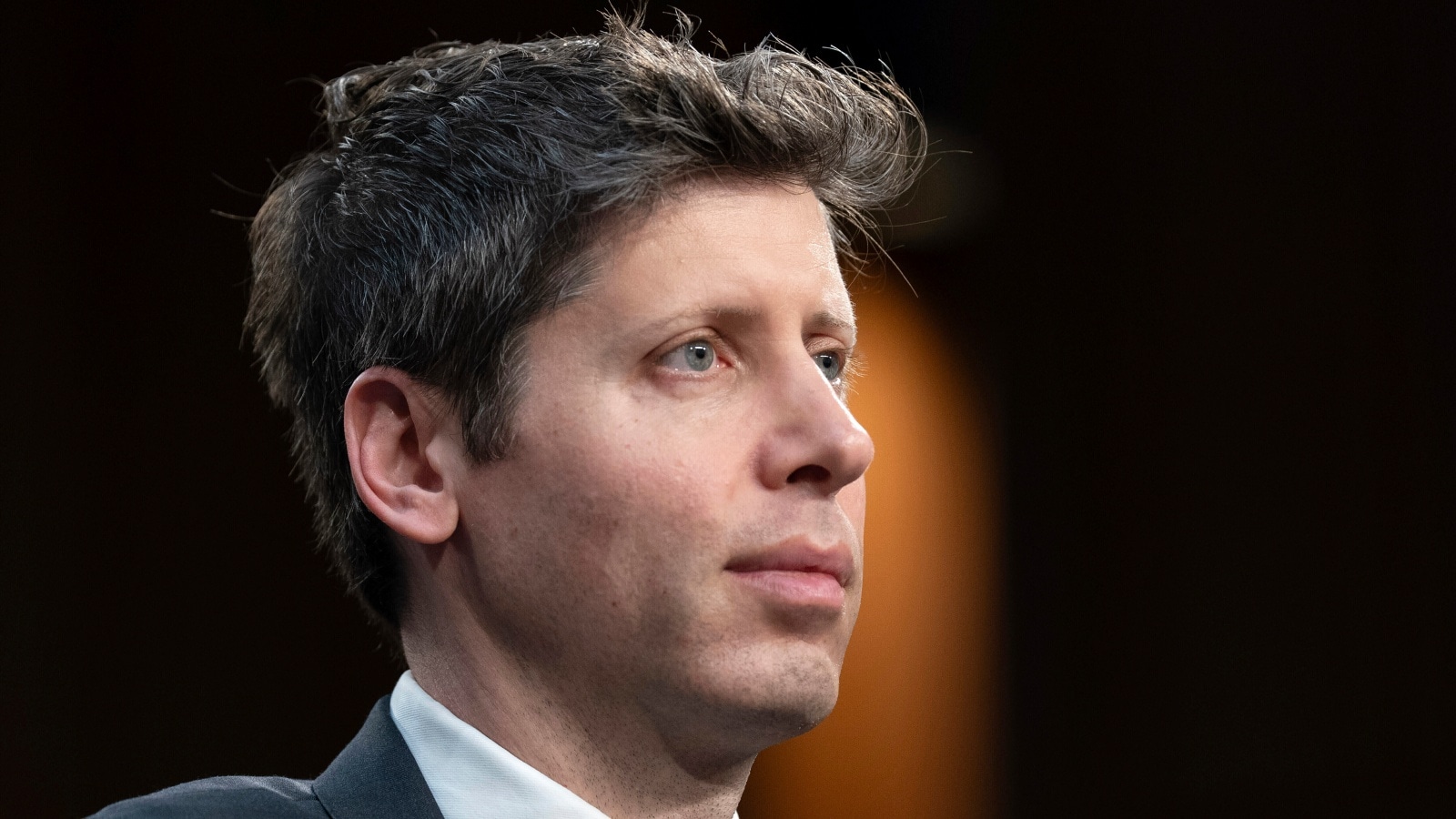
OpenAI’s CEO Sam Altman has announced that the company will not go public in 2026, citing rising safety concerns around rapidly evolving AI systems. The move signals a broader industry shift toward prioritizing responsible AI development over immediate financial gains.
- OpenAI postpones 2026 IPO.
- Decision driven by AI safety concerns.
- Industry leaders call for a slower AI race.
OpenAI, one of the world’s most valuable startups, has confirmed that it will not pursue an initial public offering in 2026. CEO Sam Altman stated in an interview with Fortune that the current climate of AI safety concerns makes going public “ill‑advised.”
Altman highlighted the alarming 10‑percent risk estimate that some researchers claim AI could “kill all humans” within a decade. He emphasized that companies and governments must treat this risk with the utmost seriousness, regardless of the exact probability.
In June 2026, OpenAI filed confidentially for a U.S. IPO, but has not disclosed the size or terms. CFO Sara Friar indicated that the company might go public in 2027 or sooner if business conditions remain favorable. The firm recently closed a $110 billion funding round, valuing it at $840 billion, backed by SoftBank, Amazon, and Nvidia.
Unlike OpenAI, Anthropic’s IPO plans appear unaffected by safety concerns. The Claude‑maker is expected to launch its IPO in mid‑October 2026, ahead of U.S. midterm elections.
Anthropic CEO Dario Amodei published an essay urging a voluntary slowdown of the AI race. His three‑step plan calls for third‑party evaluators to assess models with access comparable to employees, ensuring alignment and safety.
Prominent figures such as Elon Musk and Google DeepMind chair Demis Hassabis have endorsed Amodei’s approach, underscoring a growing consensus among industry leaders that pacing AI development is essential.
Why This Matters
BozokMedia analysis shows that OpenAI’s decision reflects a growing prioritization of AI safety across the industry. This shift could set new standards for balancing rapid innovation with ethical responsibility, influencing investors, regulators, and developers worldwide.
“Responsible AI development is today’s top priority; without proper safeguards, we risk unpredictable outcomes.”
Frequently Asked Questions
Q1: Why did OpenAI decide to postpone its 2026 IPO?
A1: The company cited escalating AI safety risks as the primary reason for delaying the public offering.
Q2: What are OpenAI’s next steps?
A2: The firm will focus on safe AI development and may revisit an IPO after 2027.