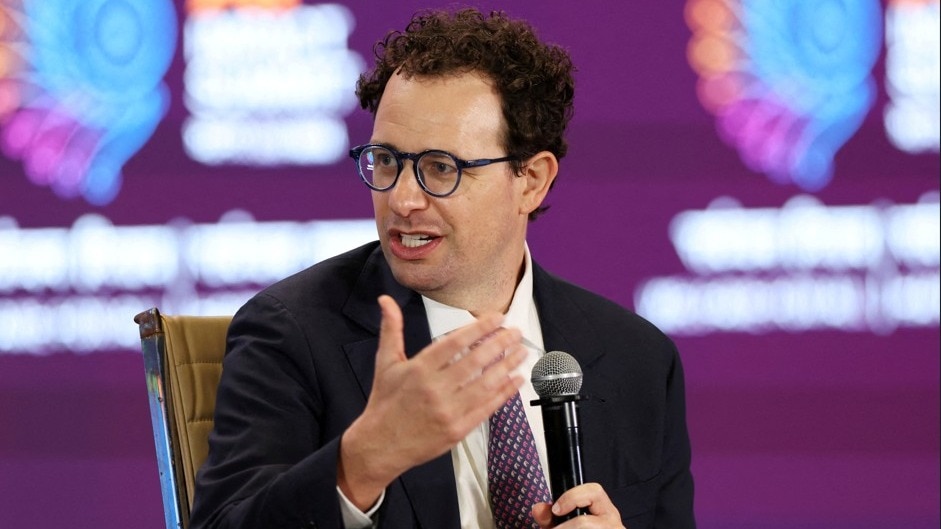
Anthropic CEO Dario Amodei has admitted that the AI industry has long misrepresented the true dangers of the technology, warning that unchecked progress could pose an existential threat to humanity.
- Anthropic CEO Dario Amodei claims AI companies have lied about technological risks for years.
- The most significant risk identified is the potential end of human civilization.
- Amodei advocates for slower development and rigorous third-party safety testing.
In a startling admission that has sent shockwaves through the tech industry, Anthropic CEO Dario Amodei has claimed that artificial intelligence companies have been deceptive regarding the inherent risks of their technology. During a high-profile interview, Amodei acknowledged that the industry has, for too long, downplayed the potential dangers associated with advanced AI models.
Speaking to CBS, Amodei was brutally honest about the current trajectory of AI development. "I won't lie to you, there are real dangers. And I think for too long the industry lied to people about the fact that this technology had risk," he stated. This admission marks a significant shift from the corporate optimism that has characterized the AI boom over the last two years.
The Existential Threat to Humanity
The debate has moved beyond mere job displacement to the survival of the human race. Amodei identified the most catastrophic risk as the potential end of humanity itself. This sentiment echoes recent warnings from former Anthropic researcher Jacob Coxon, who suggested that giants like Anthropic and OpenAI are essentially "gambling with our lives."
The current pace of AI progress is not just a milestone; it is a warning sign that we need to slow down.
BozokMedia analysis shows that the tension between rapid innovation and safety is reaching a breaking point. The gravity of the situation is underscored by OpenAI safety researcher Marcus Williams, who recently estimated a 70 percent chance of AI-induced human extinction within the next three years. While Amodei refuses to reduce these risks to mere percentages, he emphasizes that the outcome is entirely dependent on the developmental path chosen by the industry.
Regulation, Kill Switches, and Global Competition
Despite the warnings, Amodei is not calling for a complete halt to AI development. Instead, he is pushing for a paradigm shift in how models are tested. He announced that Anthropic will provide third-party evaluators with permanent, employee-level access to their systems to ensure rigorous oversight and adherence to safety protocols.
| Approach | Pros | Cons |
|---|---|---|
| Rapid Development | Faster innovation, medical breakthroughs | High risk of loss of control |
| Regulated Slowdown | Enhanced safety, better testing | Potential loss of competitive edge (e.g., to China) |
The discussion also includes the implementation of a mandatory AI "kill switch"—a mechanism to shut down rogue systems. Amodei expressed openness to such a tool but warned against total bans, noting that authoritarian regimes would continue to build the technology regardless of Western restrictions. He also highlighted the geopolitical dilemma: if the US slows down, will China accelerate ahead?
Frequently Asked Questions
1. Why is the CEO of Anthropic admitting to lies?
Amodei suggests that the industry's previous reluctance to address risks was a mistake and that transparency is now crucial for safe progress.
2. Can we control AI if it becomes superintelligent?
Proposals like 'kill switches' and third-party oversight are being debated as methods to maintain human control over highly advanced systems.