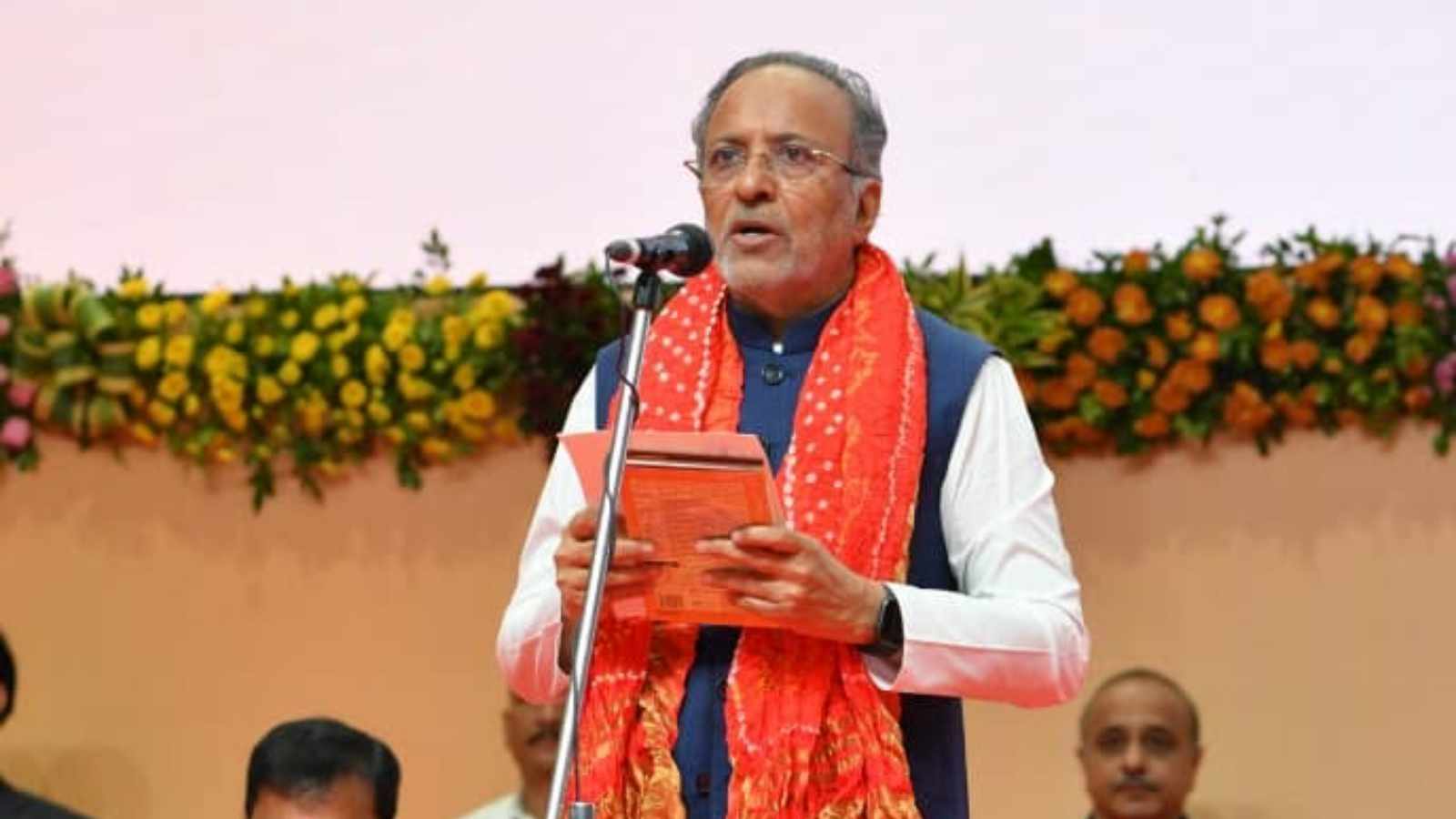
Minister Arjun Modhwadia confirmed that Gujarat will accommodate six of the twelve planned semiconductor facilities, a move aimed at bolstering India’s AI and data‑center capabilities. The state’s robust logistics and power infrastructure are key to attracting major global players.
- Six of India’s 12 semiconductor plants will be in Gujarat
- Tata Electronics has already committed Rs 91,000 crore for a fab in Dholera
- Data‑center policy attracts proposals worth over Rs 10.36 lakh crore for 10,000 MW capacity
In an exclusive interview with The Indian Express, Gujarat’s Minister of Science and Technology, Arjun Modhwadia, outlined the state’s plan to become a leading hub for semiconductor manufacturing. The initiative aligns with the 2026‑29 Viksit Gujarat Data Centre Policy, targeting 7.5 GW of new capacity.
Key Drivers
To win marquee players such as CG Semi, Kaynes Semicon and Tata Electronics, Gujarat leveraged its world‑class logistics, reliable power supply and attractive incentives. The industrial corridors at Sanand and Dholera, coupled with proximity to major ports and highways, made the state a natural choice for high‑tech manufacturing.
Why This Matters
BozokMedia analysis shows that establishing a domestic semiconductor ecosystem will reduce India’s dependence on imported chips and strengthen its position in the global supply chain.
"Gujarat’s energy and logistical strengths could position it as a global semiconductor hub," says Dr. Radhika Patel, technology policy analyst.
Data Centres & AI
The Viksit Gujarat Data Centre Policy has attracted 14 proposals with a combined investment of over Rs 10.36 lakh crore, targeting a planned capacity of nearly 10,000 MW. Major corporates such as Reliance, Torrent Power, Adani and Welspun are focusing on Dholera, signalling its rise as a digital infrastructure hotspot.
Frequently Asked Questions
1. Will Gujarat’s power policy support the energy needs of new semiconductor plants?
Yes, the state has earmarked over Rs 1.28 lakh crore for power projects that can deliver the required 10 GW capacity.
2. Will these projects create local employment?
Absolutely. Tata Electronics and other firms have pledged to train and employ local youth and tribal community members.
Modhwadia emphasizes that political will and investor confidence were pivotal to this success. He also highlighted Gujarat’s past lag in IT, but stresses a renewed focus on AI and semiconductors to secure a leadership position.