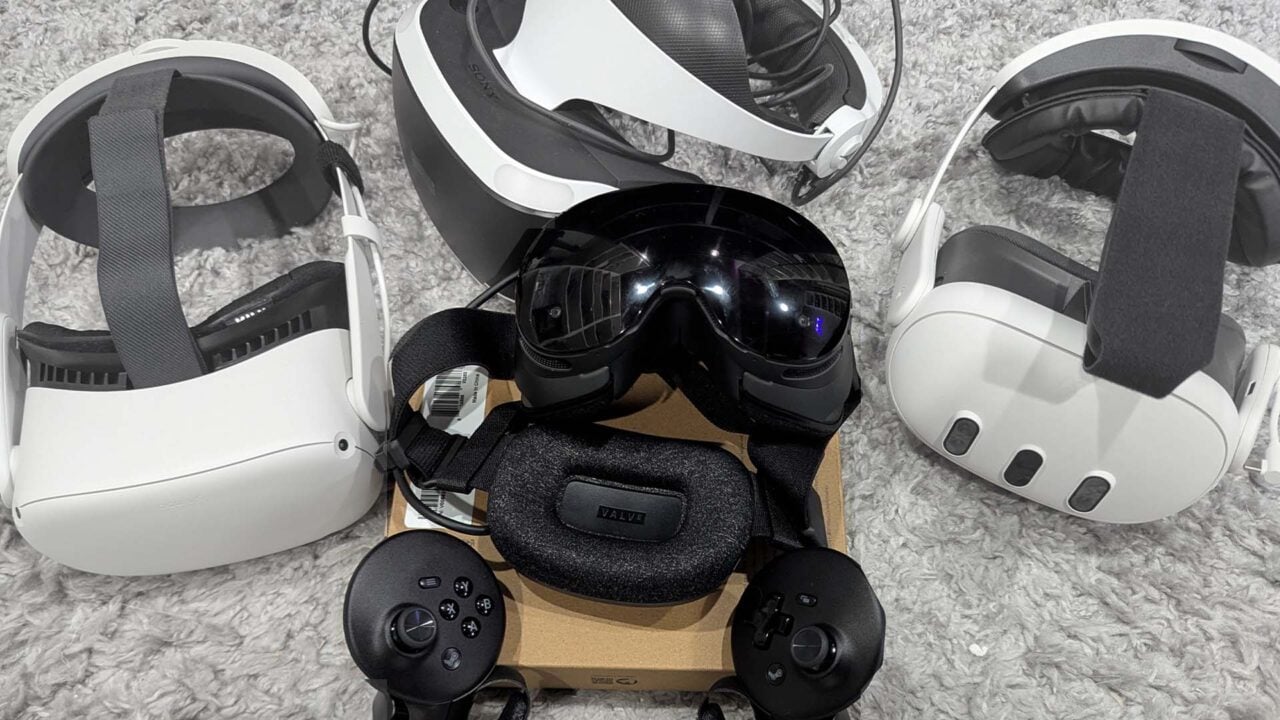
Valve's highly anticipated Steam Frame attempts to redefine standalone VR, but high costs and software glitches leave its target audience in question.
- The Steam Frame is a standalone VR headset starting at $1,060.
- While the display is industry-leading, the build quality feels flimsy for the price.
- Software issues including Wi-Fi connectivity and performance hitches were noted.
- It struggles to justify its premium price against the Meta Quest 3.
Valve has officially entered the standalone VR arena with the Steam Frame. As the company's third major hardware release this year, it aims to succeed the legendary Valve Index. However, after extensive testing, the consensus is complicated: the device is a marvel of visual clarity but a confusing proposition in terms of value and durability.
Design and Build: Lightweight vs. Low-Quality
The Steam Frame's design philosophy focuses on weight distribution. By using a rubbery battery pack as a counterweight at the back, the headset feels incredibly light on the face. However, BozokMedia analysis shows that this lightness comes at a cost to perceived quality. The glossy black plastic attracts fingerprints instantly, and the magnetic faceplate assembly produces unsettling creaking noises during handling. For a device costing upwards of $1,000, users expect a sense of sturdiness that the Frame currently lacks.
Why This Matters
In a market where Meta has set a high bar for consumer-friendly, affordable VR, Valve is pivoting toward a high-end niche. If Valve cannot bridge the gap between premium pricing and premium build quality, they risk alienating the very enthusiasts who drive hardware adoption.
The Steam Frame offers a breathtaking visual experience, but the physical build feels more like a prototype than a finished $1,300 flagship.
One of the most significant letdowns is the new controller set. Valve has moved away from the highly acclaimed Index Controllers in favor of a design that feels heavily inspired by the Quest controllers. While functional, they lack the advanced ergonomics and tactile sophistication that made Valve's previous hardware a gold standard in the industry.
Performance and Software Hurdles
The core promise of the Steam Frame is a seamless, PC-free Steam experience. While the interface is intuitive for anyone familiar with the Steam Deck, the execution is marred by software instability. During testing, significant issues with Wi-Fi connectivity required multiple restarts, and random blackouts occurred during standalone gameplay. While Valve is utilizing advanced Foveated Rendering to run titles like Half-Life: Alyx natively, the OS still requires significant refinement.
| Feature | Steam Frame | Meta Quest 3 |
|---|---|---|
| Price | $1,060+ | ~$499+ |
| Ecosystem | Steam Native | Meta Horizon |
| Build Feel | Light/Delicate | Sturdy/Consumer-grade |
Frequently Asked Questions
1. Can I play Half-Life: Alyx on the Steam Frame?
Yes, Valve has optimized the game to run natively using eye-tracking technology.
2. Is the Ergonomics Kit mandatory?
While not mandatory, the $60 kit is highly recommended for better stability and comfort.
