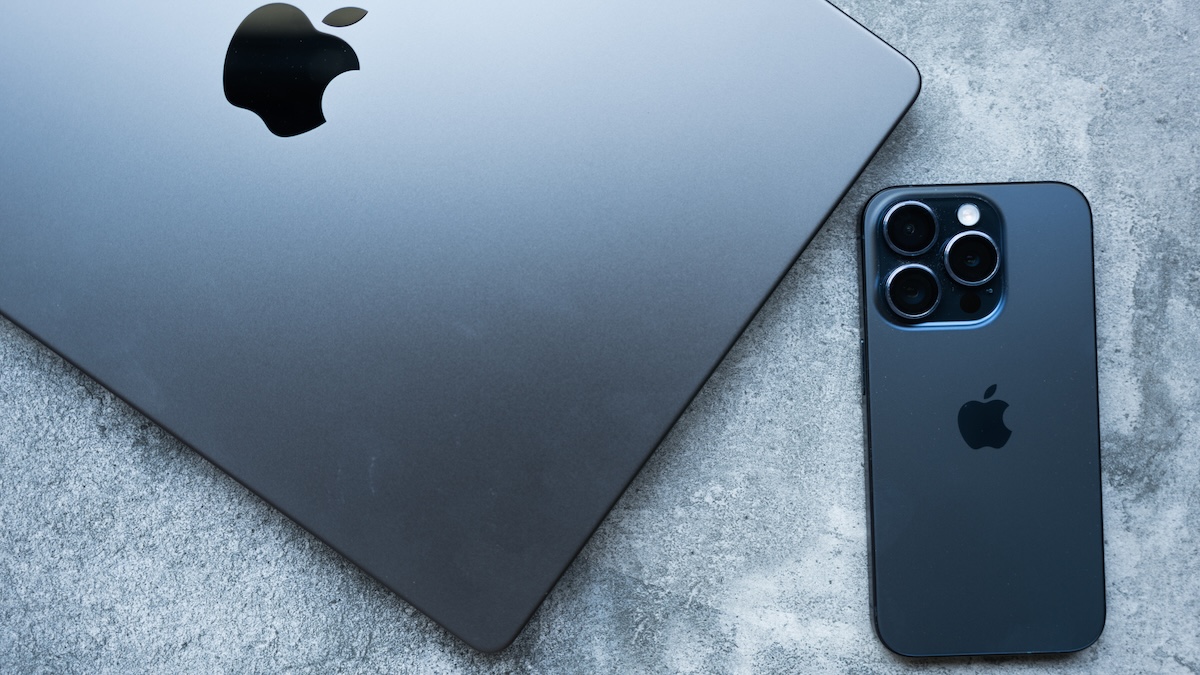
Apple has released massive security updates for iOS 27 and macOS Golden Gate 27 to address over 200 vulnerabilities. These patches target critical kernel flaws that could lead to data leaks and system compromise.
- Apple has patched a record number of vulnerabilities across iOS 27 and macOS Golden Gate 27.
- Critical kernel fixes address risks of memory corruption and privilege escalation.
- Users are strongly advised to update all Apple devices immediately to prevent potential exploits.
Apple has announced a massive security overhaul on Monday, releasing patches for a record number of vulnerabilities across its ecosystem. The latest major releases, iOS 27 and macOS Golden Gate 27, aim to fix more than 200 flaws that could have jeopardized user privacy and device integrity. These updates are crucial in defending against sophisticated cyberattacks targeting mobile and desktop platforms.
Detailed Breakdown of Security Fixes
The scale of this update is unprecedented. iOS 27 and iPadOS 27 include fixes for approximately 126 security defects, with 20 of these specifically targeting the kernel. Meanwhile, macOS Golden Gate 27 addresses a staggering 210 vulnerabilities, roughly 100 of which are shared with the iOS release, indicating a unified security architecture approach.
Furthermore, macOS Tahoe 26.7 has been updated to patch 153 unique CVEs. These include 26 critical security defects in the kernel that could have allowed attackers to trigger memory corruption, escalate privileges, terminate system processes, or facilitate information leaks. While most issues were identified in 2026, the update also resolves older, medium-severity issues like CVE-2022-3437 related to Samba.
Why This Matters
BozokMedia analysis shows that the concentration of fixes within the kernel is significantly more impactful than standard application-level patches. Because the kernel manages the core communication between hardware and software, any flaw here provides a direct gateway for attackers. By targeting over 90 platform components—including AppleKeyStore, Authentication Services, and WebKit—Apple is fortifying the very foundation of its digital ecosystem.
Rather than simply patching flawed code, Apple chose to remove certain vulnerable components entirely to ensure maximum security.
Adam Boynton, senior enterprise strategy manager at Jamf, highlighted a particularly concerning bug, CVE-2026-64752. This memory corruption issue in the CoreMedia framework could have allowed an attacker to compromise an iPhone simply by presenting a malicious image to the user. In a proactive move, Apple opted to delete the flawed code rather than attempt a traditional patch.
Vulnerability Distribution Comparison
| Operating System | Vulnerabilities Patched | Primary Threat Focus |
|---|---|---|
| iOS 27 / iPadOS 27 | ~126 | Kernel & Mobile Security |
| macOS Golden Gate 27 | 210 | Desktop & Cross-Platform |
| macOS Tahoe 26.7 | 153 | Memory Corruption & CVEs |
In addition to mobile and desktop updates, Apple has rolled out security patches for tvOS 27, watchOS 27, visionOS 27, and Safari 27. While Apple has stated that there is no evidence of these vulnerabilities being exploited in the wild, the sheer volume of flaws underscores the constant battle against evolving cyber threats.
Frequently Asked Questions
1. Is my data safe if I haven't updated yet?
While there is no evidence of active exploitation, your device remains vulnerable to the identified flaws. Updating immediately is the best way to ensure safety.
2. Why does Apple release so many updates at once?
Large-scale updates often occur when multiple security audits reveal widespread architectural vulnerabilities that need to be addressed simultaneously across all platforms.


