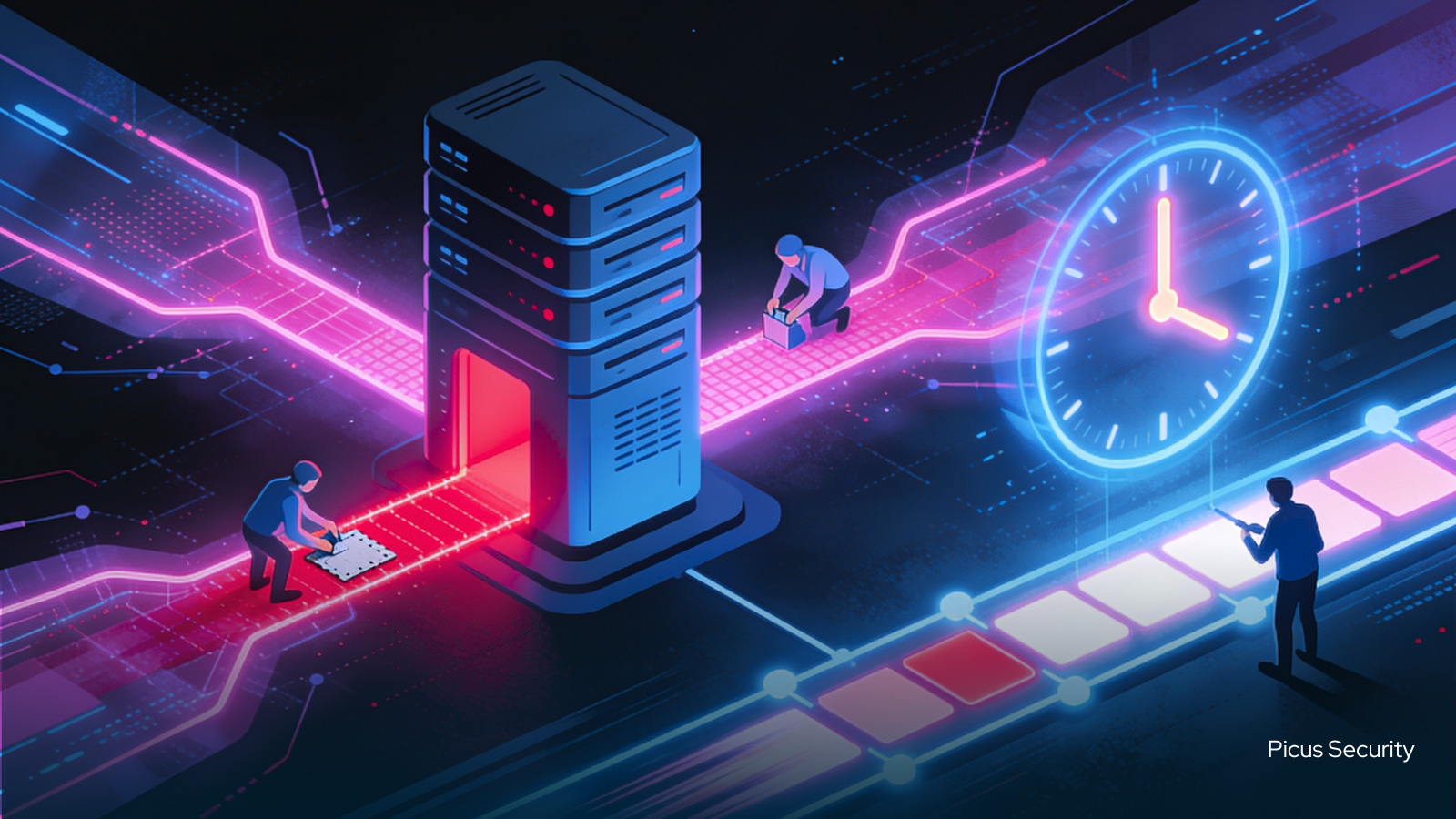
As AI shrinks the window between vulnerability disclosure and exploitation to mere hours, security teams must shift from waiting for patches to breaking exploit chains in real-time.
- AI is accelerating vulnerability exploitation, reducing the window from days to hours.
- Relying solely on patches is no longer a viable defense strategy.
- Security teams must validate exploitability by testing the 'exploit chain' against existing controls.
The landscape of cybersecurity has undergone a fundamental shift. The era where defenders had a comfortable window of days to prepare for a new vulnerability is over. With the advent of AI, the time between a vulnerability's disclosure and its active exploitation has plummeted from an average of 21.5 days to just a few hours. The recent crisis involving PaperCut NG/MF serves as a stark warning: attackers are moving faster than the patch cycle.
Why This Matters
BozokMedia analysis shows that the traditional 'wait-for-patch' model is broken. In a landscape where weaponization happens in real-time, a security team's value is no longer measured by how fast they deploy a patch, but by how effectively they can break an attack chain before a functional exploit even exists.
An exploit is not just a single payload; it is a sequence of techniques that can be disrupted long before the final weapon is ready.
When a new CVE (Common Vulnerabilities and Exposures) is announced, the immediate panic often centers on whether assets are affected. However, version data alone doesn't provide the answer. The critical questions are: Is this specific vulnerability actually exploitable in *my* environment? And would my current security stack—NGFW, WAF, EDR, and SIEM—actually detect or block the attempt?
Breaking the Exploit Chain
Because an exploit requires a series of steps—delivery, execution, privilege escalation, and credential access—defenders can simulate these individual techniques. Even without a public Proof of Concept (PoC), teams can test their security controls against the techniques an attacker would use. This allows for the creation of detection and prevention rules that can be deployed immediately, effectively 'breaking the chain' and neutralizing the threat before a patch is even released.
| Metric | Traditional Response | Post-Mythos Response |
|---|---|---|
| Response Window | Days to Weeks | Minutes to Hours |
| Primary Defense | Patch Management | Control Validation & Chain Disruption |
| Operational Mode | Reactive | Proactive/Simulated |
Furthermore, as threat intelligence identifies specific adversary groups (such as Iranian threat actors) targeting these vulnerabilities, security teams must evolve from defending against a single CVE to rehearsing against full-scale attack campaigns. This involves simulating lateral movement and persistence techniques to ensure comprehensive resilience.
Frequently Asked Questions
1. What is an exploit chain?
An exploit chain is a series of interconnected malicious steps (like delivery, execution, and escalation) that an attacker uses to achieve their ultimate goal.
2. Can I be safe without a patch?
Yes, by implementing robust security controls and detection rules that target the techniques used in an attack, you can block exploitation even without a software patch.

