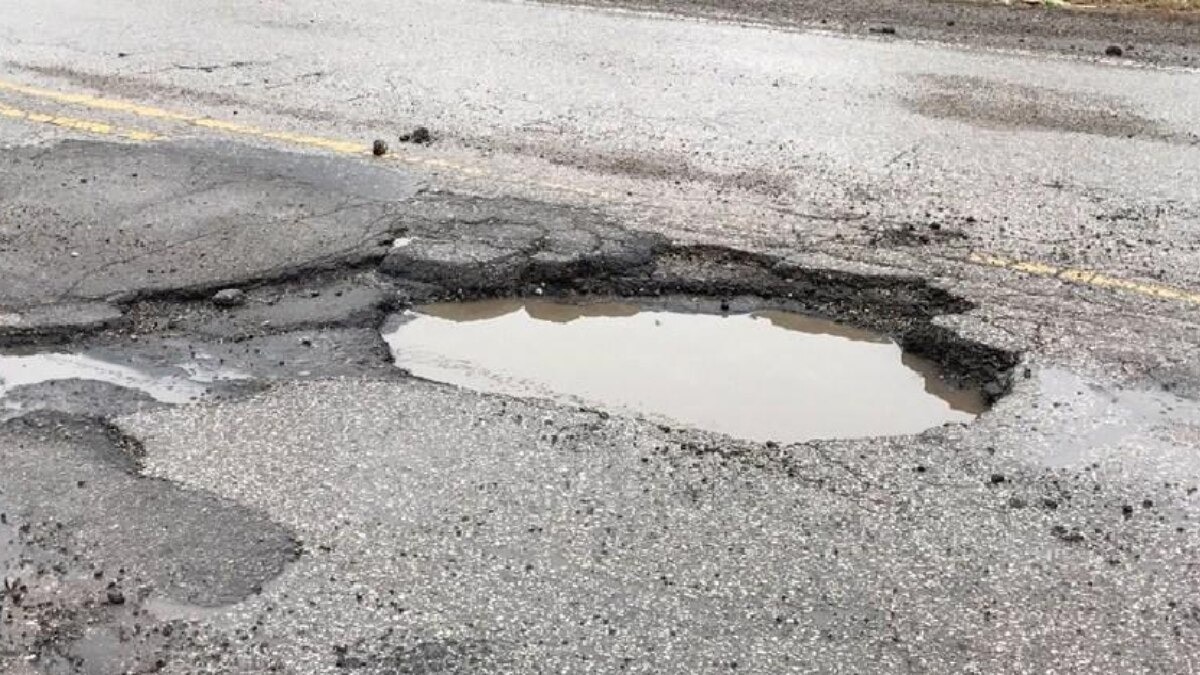
Andhra Pradesh is piloting advanced Danish fiber technology to create durable, pothole-resistant roads. This innovative approach uses aramid and polyolefin fibers to strengthen asphalt from within.
- Andhra Pradesh is testing Danish fiber technology on the high-traffic Mudigedu-Sanjamala road.
- The technology uses Wiking asphalt fibers to distribute stress and prevent cracks.
- Expected benefits include a 50% reduction in rutting and a 50% increase in road lifespan.
For decades, the sight of crumbling roads and deep potholes following the monsoon has been a recurring nightmare for Indian commuters. Instead of merely patching up these cracks, a new technological frontier is emerging in Andhra Pradesh. The state is currently conducting a high-stakes pilot project using Danish fiber technology to engineer roads that resist damage before it even begins.
The trial is being conducted on the Mudigedu-Sanjamala road in the Nandyal district. This specific stretch was chosen due to its punishing conditions: it serves heavy freight traffic from local cement and granite industries and faces the intense environmental stress of the Nallamala foothills. The technology, provided by Danish Fibres A/S, involves integrating specialized 'Wiking' asphalt fibers into hot bitumen.
How the Technology Works
Unlike traditional asphalt, which is prone to concentrated stress and subsequent cracking, this method introduces a web-like reinforcement. By mixing less than 1 kg of aramid and polyolefin fibers per tonne of bitumen, the road gains an internal structural network. This network effectively redistributes tensile stress across the entire surface, preventing the localized pressure that typically leads to ruts and potholes.
Why This Matters
BozokMedia analysis shows that India's current road maintenance model is largely reactive—fixing damage after it occurs. This Danish approach shifts the paradigm toward proactive prevention. If the pilot succeeds, it could fundamentally change how municipal and state agencies allocate budgets for infrastructure.
This technology represents a shift from a 'repair-centric' mindset to a 'durability-first' engineering standard.
The potential economic implications are massive. Manufacturers claim a reduction in rut depth of over 50%, and officials anticipate that these reinforced roads could last up to 50% longer than conventional ones. This longevity could lead to significant savings in taxpayer money by reducing the frequency of massive reconstruction projects.
Historical Background
India has previously experimented with various road-strengthening methods, including the use of plastic waste and recycled materials. While these have seen success in specific contexts, the Danish fiber-reinforced asphalt offers a more structural, internal reinforcement that targets the molecular weakness of bitumen under heavy loads.
Frequently Asked Questions
1. Is this technology suitable for all types of Indian roads?
While it is exceptionally effective for heavy-duty highways and industrial routes, its cost-benefit ratio for low-traffic rural roads is still being evaluated.
2. How long will the results of this pilot be monitored?
The Andhra Pradesh Roads and Buildings Department is monitoring the road through the full monsoon cycle to ensure real-world durability.