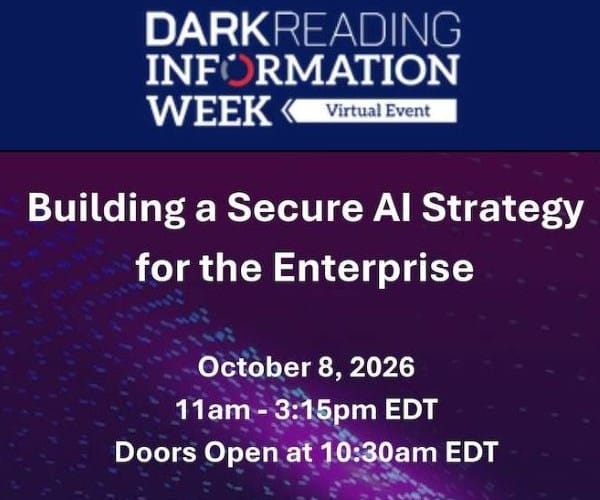
A high-stakes virtual event will explore how organizations can balance the immense power of AI with robust security frameworks. Experts will tackle AI governance, identity management, and emerging AI-borne threats.
- Organizations are struggling to balance AI's power with essential security protocols.
- The rise of AI agents introduces new challenges in discovery, governance, and identity.
- AI tools can be leveraged to automate and streamline security operations for faster response.
The breakneck speed at which Artificial Intelligence (AI) has integrated into the enterprise landscape has left many organizations in a state of scramble. While AI offers unprecedented operational power, it simultaneously creates a complex web of security vulnerabilities. A specialized virtual event is set to address these critical concerns, focusing on building a resilient and secure AI strategy.
As AI agents move from experimental tools to active business participants, the concept of a 'new world order' in cybersecurity is emerging. This event will dive deep into the implications of AI discovery, governance, and identity management. Without proper guardrails, the very tools intended to boost productivity could become the greatest entry points for malicious actors.
Why This Matters
BozokMedia analysis shows that the integration of agentic AI presents a new insider threat model. Unlike traditional software, AI agents can act autonomously, making traditional perimeter-based security insufficient. Organizations must shift toward an identity-centric and AI-aware security posture.
Securing AI is not just about protecting data; it is about managing the autonomy of digital agents.
Security experts participating in this event will shed light on the latest AI-borne threats. A key theme will be the duality of AI: using it as a shield as well as a sword. Attendees will learn how to leverage AI technology to automate security operations, enabling faster detection and response to sophisticated cyberattacks.
Historical Background
Historically, cybersecurity has been reactive, responding to threats after they manifest. However, the advent of generative and agentic AI has shifted the landscape toward a need for proactive, real-time automated defense. The evolution from simple automation to autonomous AI agents marks a significant turning point in enterprise risk management.
Frequently Asked Questions
Question 1: What are AI guardrails?
Answer: AI guardrails are a set of technical and policy-based controls designed to ensure that AI models operate within safe, ethical, and secure parameters.
Question 2: How does AI help in security operations?
Answer: AI can analyze massive datasets in real-time to identify patterns indicative of a breach, allowing for automated responses that are much faster than human intervention.

