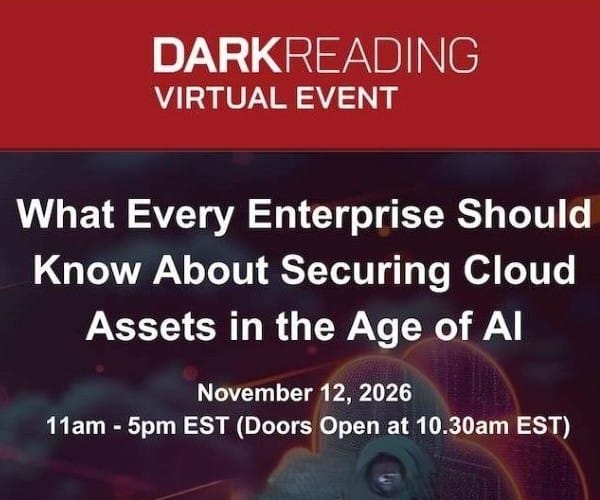
As AI reshapes the digital landscape, enterprises face unprecedented cloud security challenges. Learn how to manage multi-cloud risks and stay ahead of sophisticated attackers.
- AI integration creates new vulnerabilities in cloud-based enterprise assets.
- Managing multi-cloud environments requires comprehensive visibility and insight.
- Agentic AI is introducing novel 'insider threat' models for modern organizations.
The rapid adoption of cloud computing has reached an inflection point, yet many enterprises remain vulnerable. As we enter the age of Artificial Intelligence, the complexity of securing cloud assets has escalated exponentially. The upcoming virtual event, 'What Every Enterprise Should Know About Securing Cloud Assets in the Age of AI', aims to address these critical security gaps.
Organizations are increasingly struggling to identify and manage security risks associated with diverse cloud applications and services. In a modern multi-cloud environment, the lack of a unified view can lead to catastrophic data breaches and operational disruptions. Understanding the interplay between AI and cloud infrastructure is no longer optional—it is a survival requirement.
Why This Matters
BozokMedia analysis shows that the emergence of Agentic AI is fundamentally changing the threat landscape. Attackers are now leveraging AI to automate reconnaissance and exploit vulnerabilities at machine speed, making traditional perimeter defenses obsolete.
Agentic AI presents a new insider threat model for organizations, requiring a complete rethink of identity and access management.
The event will provide deep dives into the key tools, technologies, and best practices necessary to secure today's distributed environments. From gaining insight into cloud infrastructure to implementing proactive defense mechanisms, the goal is to help enterprises get ahead of attackers rather than merely reacting to them.
Historical Background
Historically, cloud security focused on securing the perimeter and managing access to centralized data centers. However, the shift toward decentralized, multi-cloud, and now AI-driven architectures has expanded the attack surface, forcing a transition toward Zero Trust architectures and automated threat detection.
Frequently Asked Questions
1. What is the primary risk of using AI in the cloud?
The primary risk lies in the potential for AI to be weaponized by attackers to find flaws faster, as well as the risks posed by unmanaged AI models within the enterprise.
2. Why is multi-cloud security so difficult?
Multi-cloud security is challenging because each provider has different security protocols, making it hard to maintain consistent visibility and policy enforcement across all platforms.