Despite possessing immense cultural and historical wealth, India struggles to match the tourist numbers of its Asian neighbors. We dive deep into the systemic reasons behind this gap.
Key Takeaways
- India possesses vast cultural resources but lags significantly behind Asian peers in foreign tourist arrivals.
- Domestic tourism and inbound tourism serve different economic purposes; foreign tourists bring in vital foreign exchange.
- Civic sense and women's safety are decisive factors in shaping global perceptions of India.
- India must shift from 'postcard tourism' to showcasing 'living culture' and authentic experiences.
India is often celebrated as "Incredible," yet an uncomfortable truth persists within the travel and hospitality industry: inbound tourism has slipped down the national priority list. Despite boasting the Himalayas, a massive coastline, and over 40 UNESCO World Heritage sites, India welcomed only 9.95 million foreign tourists in 2025.
A Comparative Look at Asian Peers
The disparity between India and its neighbors is stark. While India struggles to cross the 10 million mark, Japan welcomed a staggering 36.87 million visitors, and Thailand attracted 35.55 million. Even smaller nations like Singapore and Vietnam are outperforming India in terms of strategic destination marketing and visitor engagement.
| Country | Foreign Tourist Arrivals (Approx) |
|---|---|
| Japan | 36.87 Million |
| Thailand | 35.55 Million |
| Vietnam | 17.58 Million |
| India | 9.95 Million |
Why This Matters
BozokMedia analysis shows that India's heavy reliance on domestic tourism is a double-edged sword. While the domestic boom has stimulated regional economies, it cannot replace the influx of foreign exchange that international travelers provide. Every overseas visitor acts as an 'export customer,' bringing new capital into the Indian economy, strengthening reserves, and supporting diverse businesses from handicrafts to luxury hotels.
Tourism is not just an industry; it is a reflection of a nation's civic sense and its commitment to safety and hospitality.
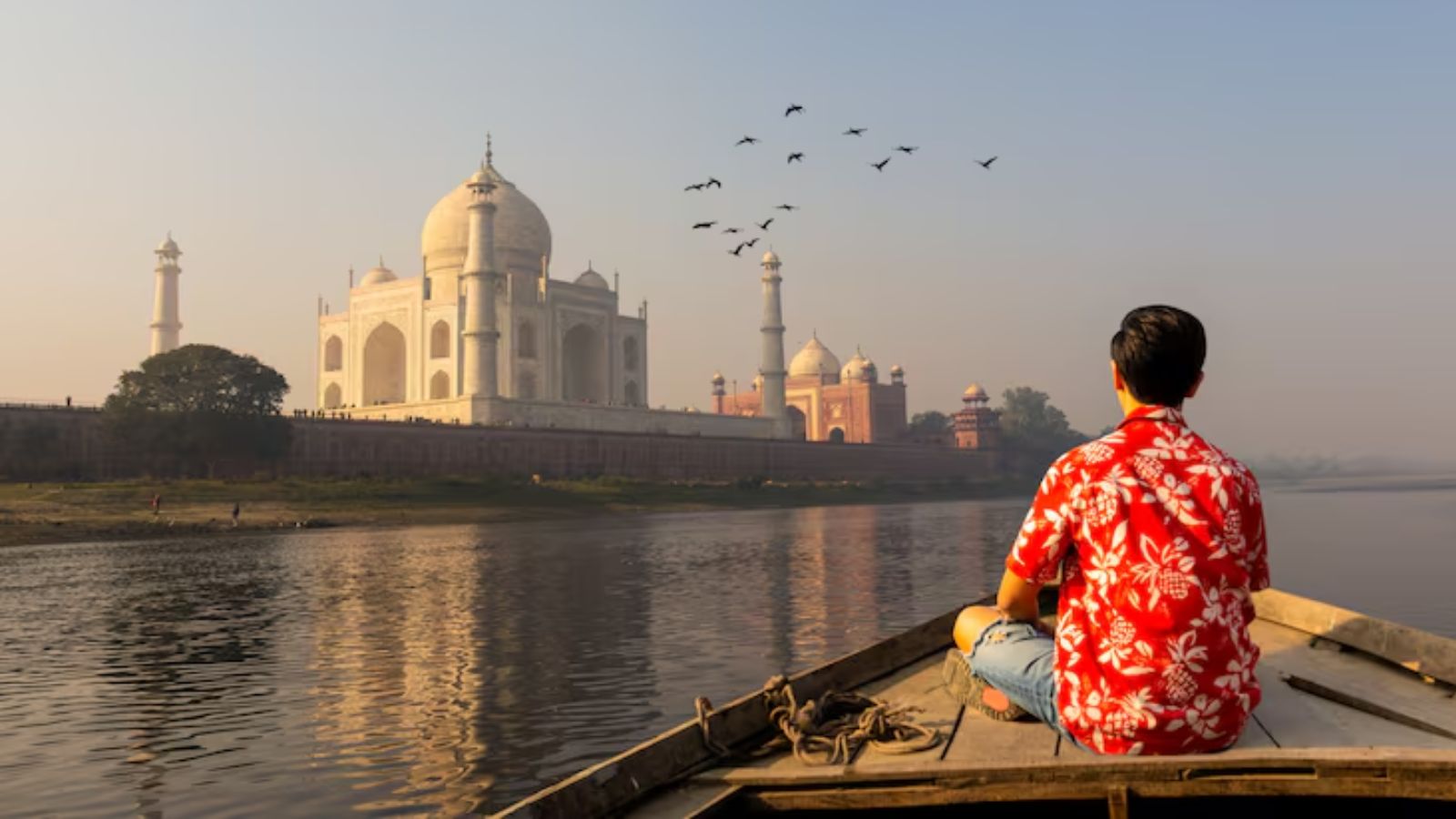
The modern traveler is moving away from static monuments toward authentic, lived experiences. The future of Indian tourism lies in marketing its living traditions—such as the Hornbill Festival in Nagaland or the vibrant Durga Puja in Kolkata—rather than just showing images of the Taj Mahal.
Frequently Asked Questions
1. What are the main barriers to foreign tourism in India?
Issues regarding civic sense, cleanliness, and perceptions of women's safety are significant hurdles for international travelers.
2. How does inbound tourism benefit the economy differently than domestic tourism?
Domestic tourism recirculates existing money, whereas inbound tourism brings in fresh foreign currency, boosting national reserves.


