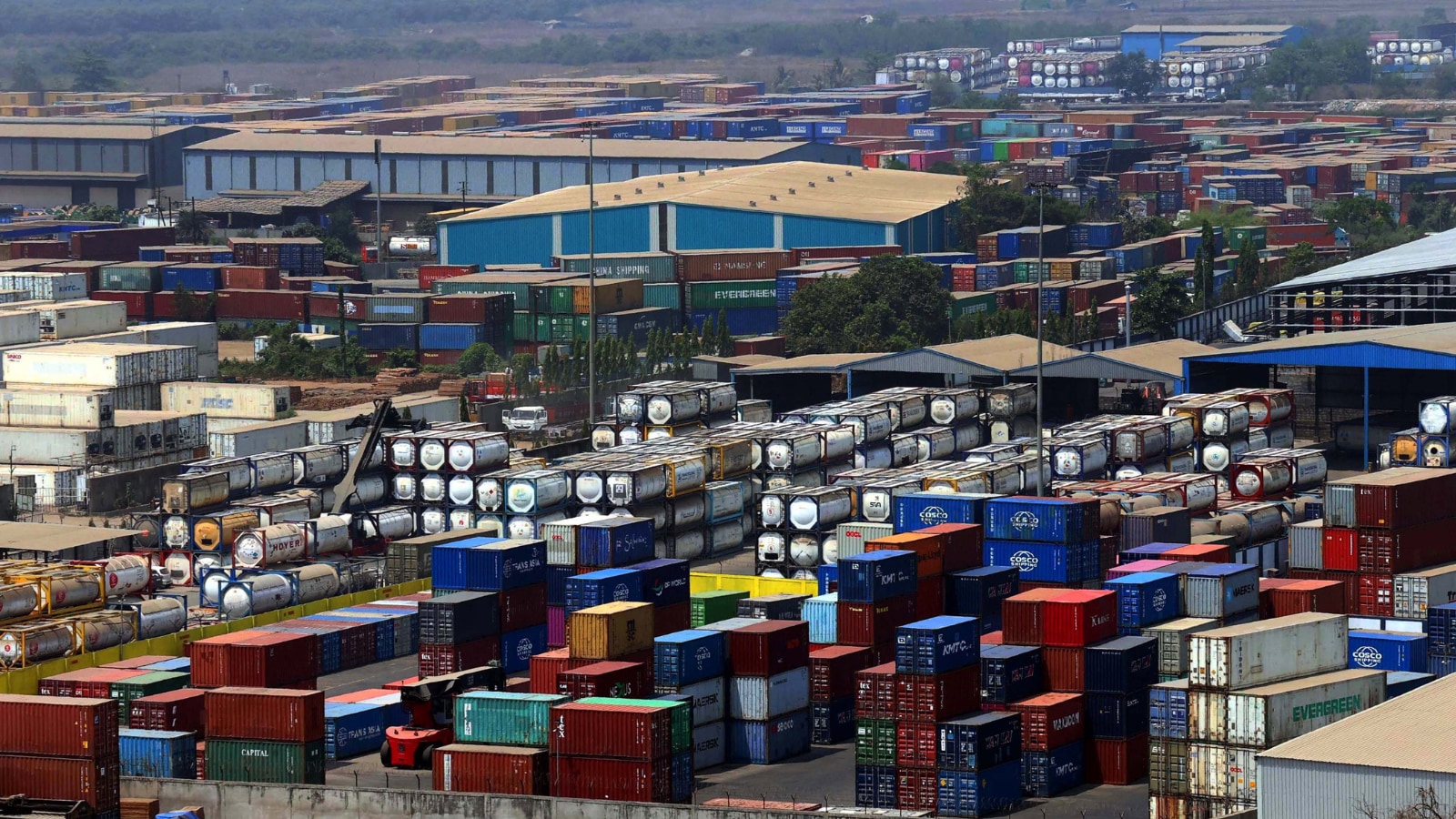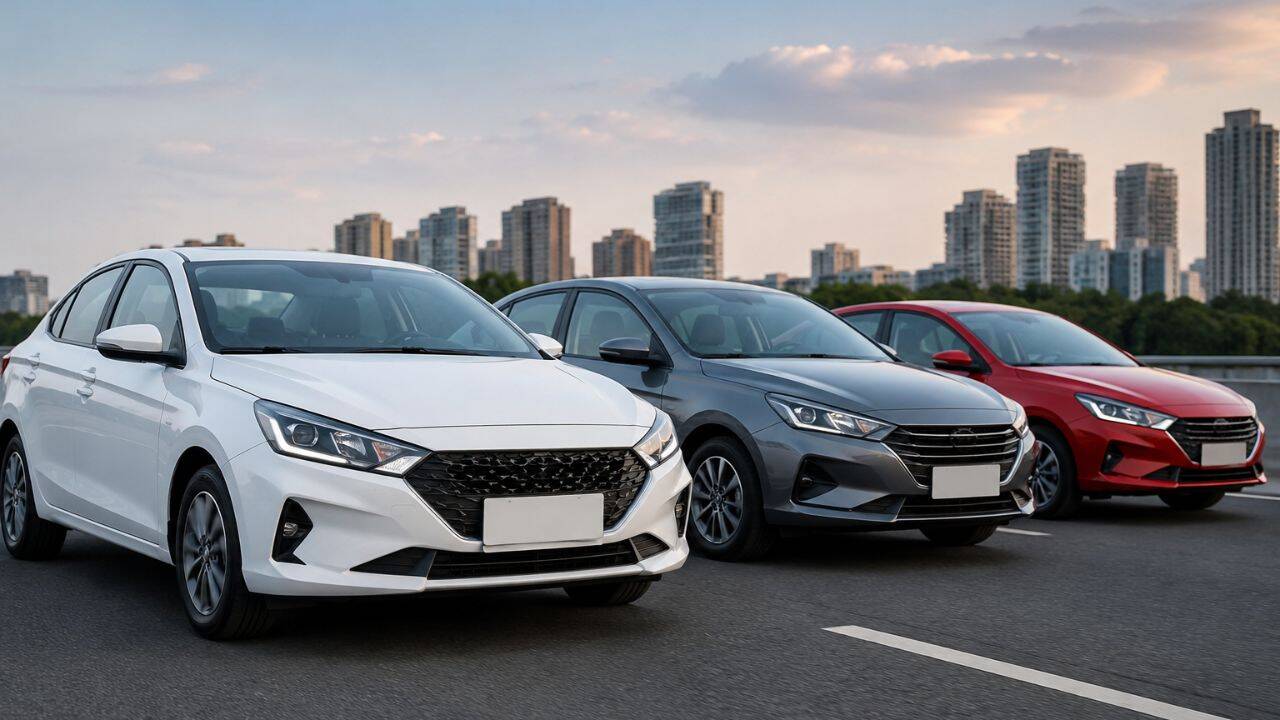
India has released detailed procedures for claiming quota‑based tariff concessions on UK‑made vehicles under the CETA agreement. Effective July 15, customs duties will fall dramatically from around 110% to 10%, but only OEMs and their authorised partners can benefit.
The Indian government has officially notified the import‑procedure for vehicles from the United Kingdom under the India‑UK Comprehensive Economic and Trade Agreement (CETA). The rules, which take effect on 15 July 2026, allow importers to claim tariff‑rate quota (TRQ) benefits, reducing duties from roughly 110% to a flat 10% after the quota is exhausted.
Eligibility and Documentation Requirements
According to the Directorate General of Foreign Trade (DGFT), only Original Equipment Manufacturers (OEMs) and their authorised dealers or channel partners are eligible to apply for the annual TRQs. Applicants must present a Certificate of Origin issued by UK authorities at customs clearance and a pre‑purchase agreement that specifies the number of vehicles to be supplied during the TRQ year.
First‑Year Tariff Structure
In the inaugural year, India will permit the import of 20,000 passenger cars across three engine‑size categories. Premium models (above 3,000 cc petrol/2,500 cc diesel) – 10,000 units – will enjoy a reduced duty of 30% (down from 110%). Mid‑segment cars (1,500‑3,000 cc petrol, up to 2,500 cc diesel) – 5,000 units – and mass‑market vehicles (up to 1,500 cc) – another 5,000 units – will each face a 50% duty, down from 66%.
Protection for India's EV Sector
The agreement deliberately excludes vehicles priced below GBP 40,000 (CIF) to shield India’s burgeoning mass‑market electric‑vehicle segment led by Tata Motors, Mahindra & Mahindra, and Maruti Suzuki. No tariff concessions are offered for electric, hybrid, or hydrogen‑powered passenger cars during the first five years. From the sixth year onward, EVs and hybrids priced between GBP 40,000‑80,000 will attract a 50% duty with an annual quota of 400 units, while those above GBP 80,000 will face a 40% duty with a 4,000‑unit quota.
Why This Matters?
This framework not only deepens India‑UK trade ties but also safeguards the domestic EV ecosystem while granting Indian consumers access to a wider, more affordable range of conventional vehicles. The gradual increase in TRQ volumes and the eventual floor of 10% duty signal a strategic shift in India’s import policy toward a more liberal yet controlled market.
Overall, the policy balances foreign competition with home‑grown innovation, setting the stage for a more integrated automotive supply chain across both economies.