South Africa has formally asked the United States to exempt it from a proposed 12.5% tariff linked to a forced‑labour probe. The move aims to protect key export sectors such as platinum, vehicles and wine while trade tensions between Washington and Pretoria simmer.
मुख्य बिंदु (Key Takeaways)
- South Africa seeks exemption from the US 12.5% tariff proposal.
- The country cites compliance with ILO conventions to block forced‑labour imports.
- Platinum‑group metals, vehicles, citrus, seafood, wine and nuts are listed for exemption.
In Washington, a South African delegation appeared before the Office of the US Trade Representative (USTR) to argue for a waiver from the newly proposed tariff tied to a forced‑labour investigation. The probe, which covers more than 60 economies, assesses whether nations are adequately enforcing bans on goods produced with forced labour.
International Framework and Legal Basis
The United States introduced a sweeping enforcement mechanism in 2024 that allows tariffs on imports from countries that fail to prevent forced‑labour products. South Africa counters that it has ratified key International Labour Organisation (ILO) conventions prohibiting forced labour and that its domestic statutes empower authorities to block such imports, including those made through prison labour.
Impact on Core Export Commodities
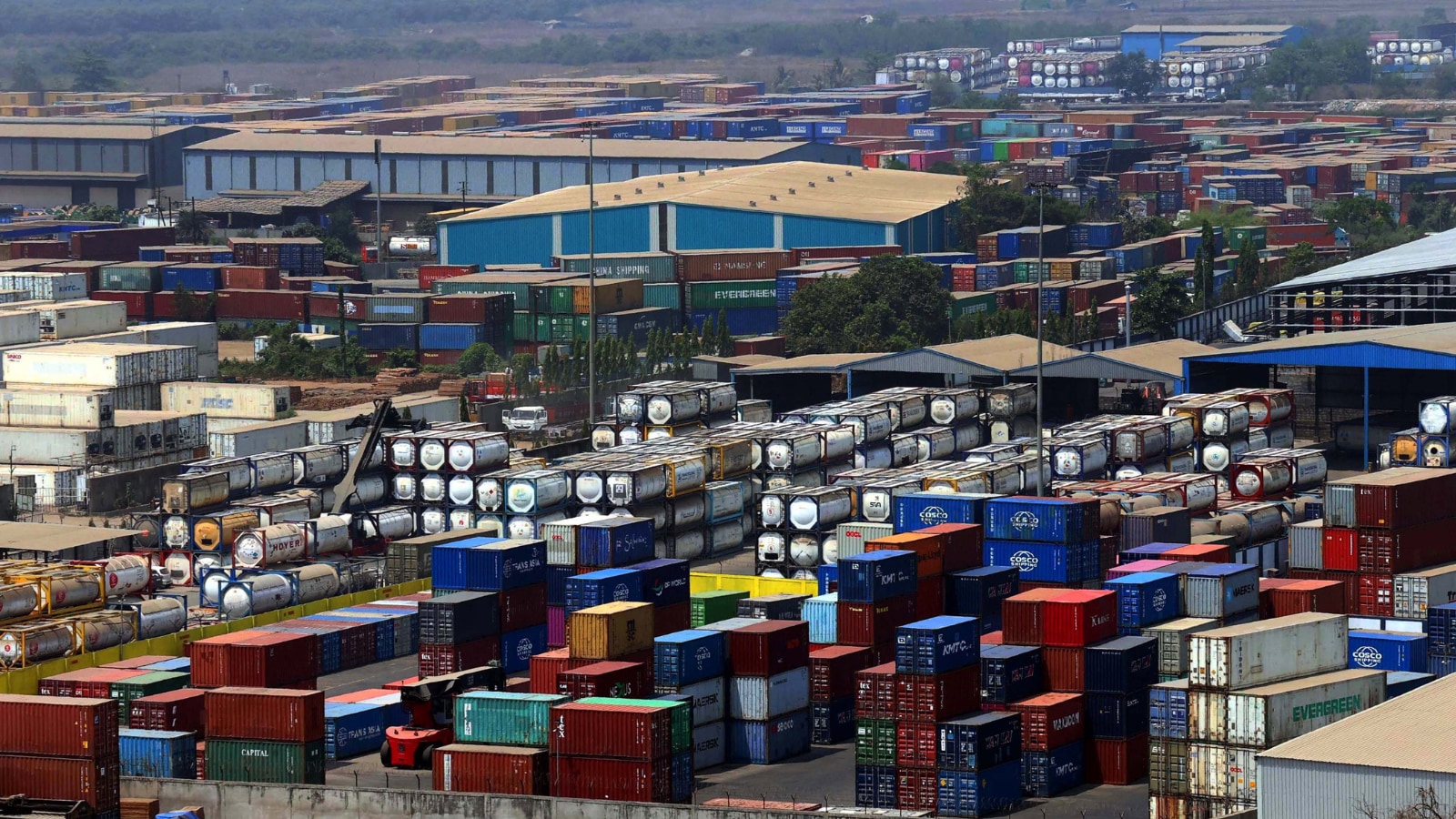
South Africa specifically requested exemptions for its flagship export categories – platinum‑group metals, automobiles, citrus fruits, seafood, wine and nuts – asserting no evidence that these products involve forced labour. A 12.5% tariff could erode the price competitiveness of these goods in the US market, jeopardising billions of dollars in annual export revenue.
Current Trade Relations
Under the African Growth and Opportunity Act (AGOA), South Africa has enjoyed duty‑free access to the US market for years. The programme is due for renewal by Congress; without it, existing tariffs on steel, aluminium and automobiles, as well as the new forced‑labour levy, could strain bilateral trade further. Trade Minister Parks Tau emphasized the United States as a vital trading partner and pledged continued engagement on the probe and broader trade issues.
Looking Ahead
After the hearing, the USTR granted the South African team until Thursday to submit additional documentation. If granted, the exemption would shield key sectors and temper escalating trade friction. Conversely, a tariff imposition could force South Africa to diversify its export markets, reshaping global supply chains and prompting a reassessment of forced‑labour compliance standards worldwide.