Prime Minister Modi's Viksit Bharat 2047 vision aims to lift India's share of global merchandise exports from 1.8% in 2024 to nearly 10% by 2047. The World Trade Organization has identified three key gaps that need urgent closure for the target to be realistic.
Key Takeaways
- Viksit Bharat 2047 sets a 10% export share target.
- WTO flags three major trade gaps.
- Closing these gaps is essential for sustainable growth.
Under the Viksit Bharat 2047 roadmap, India aspires to increase its share of global merchandise exports from roughly 1.8 % in 2024 to about 10 % by 2047. Achieving this would not only accelerate the nation’s economic growth but also position India as a dominant player in global trade.
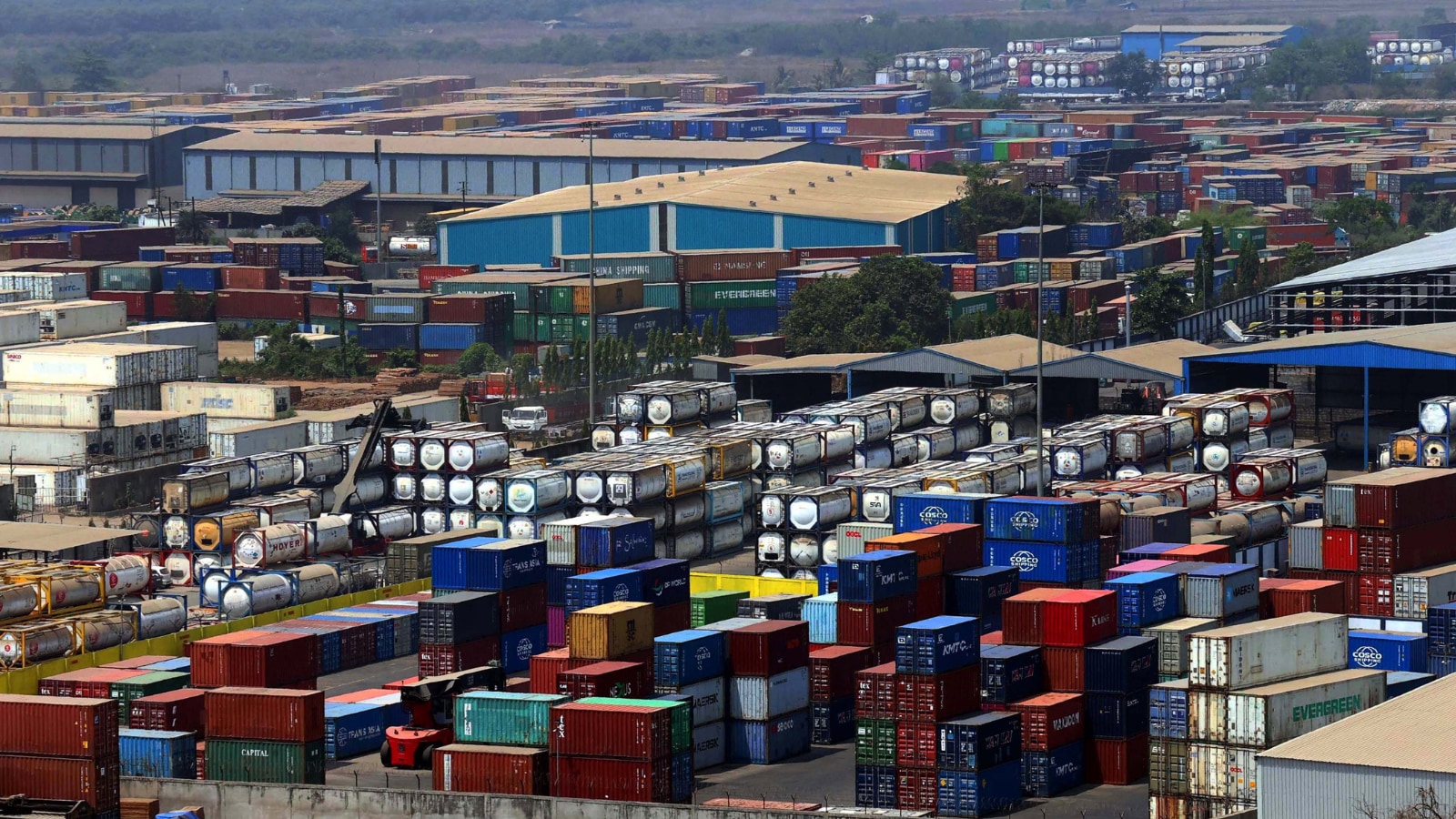
The World Trade Organization (WTO) recently evaluated the feasibility of this ambition and pinpointed three primary gaps: product competitiveness, logistics infrastructure, and market diversification. Addressing these areas will boost export growth and enhance India’s reliability in international supply chains.
Historical Background
Over the past two decades, India has witnessed a surge in services exports, while merchandise exports have lagged. Following the liberalization reforms of the 1990s, India entered numerous trade agreements, yet structural challenges in manufacturing exports persisted. WTO analyses consistently highlight issues in production quality, cost competitiveness, and compliance with global standards.
Why This Matters (इसके मायने क्या हैं)
According to BozokMedia analysis, an increase in export share directly fuels national income, job creation, and technological innovation. When India's export share reaches 10 %, foreign exchange reserves will swell, strengthening economic stability and attracting further investment.
For ordinary citizens, this translates into more employment opportunities, especially in manufacturing and logistics, and greater price stability for consumer goods, helping to control living costs.
"If India swiftly addresses the three WTO‑identified gaps, the definition of a developed nation by 2047 could be radically reshaped."
| Year | India's Share of Global Merchandise Exports |
|---|---|
| 2024 | ≈1.8 % |
| 2047 Target | ≈10 % |
Frequently Asked Questions
Q1: What key reforms are needed to achieve the Viksit Bharat 2047 export goal?
A: Improvements in product competitiveness, logistics infrastructure, and market diversification as highlighted by the WTO.
Q2: How will this target impact everyday citizens?
A: Higher export volumes are expected to generate new jobs, increase incomes, and bring price stability to consumer goods.