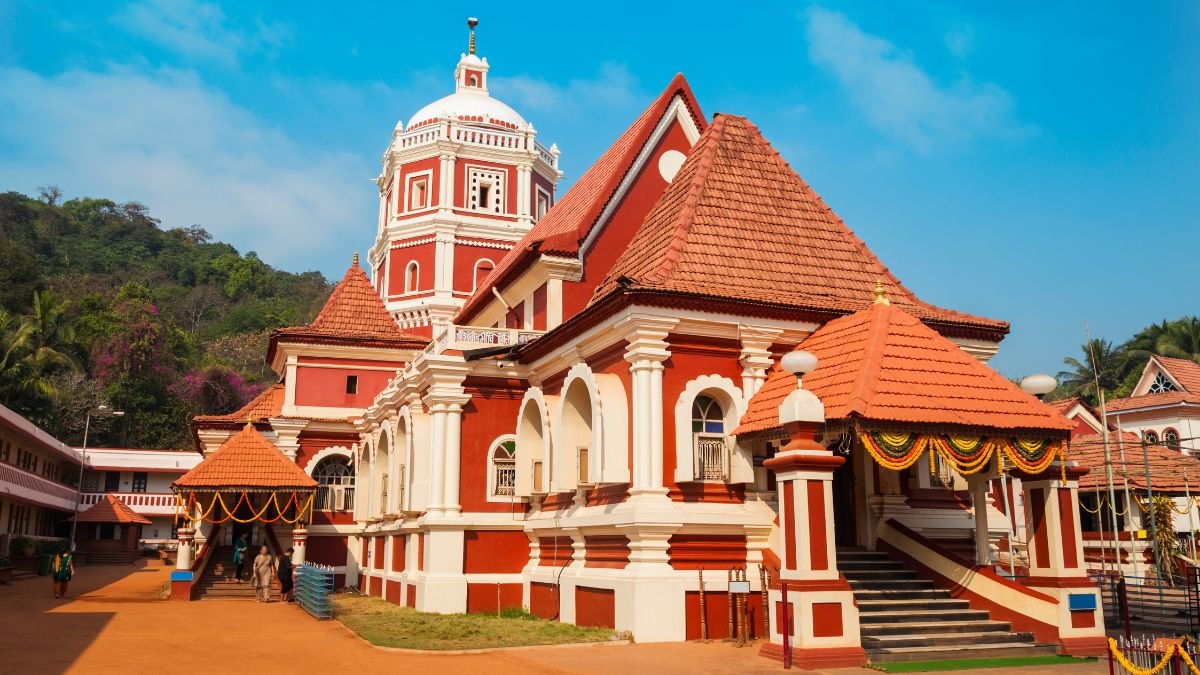
While Goa is renowned for its sandy shores, its spiritual landscape offers an equally compelling journey. Discover the architectural grandeur and historical resilience of Goa's ancient temples on this sacred trail.
Key Takeaways
- Goa's temples showcase a unique blend of Hindu and Indo-Portuguese architectural styles.
- The Shanta Durga and Mangueshi temples are among the most significant religious sites in the region.
- Many temples were relocated inland following Portuguese invasions to preserve the local faith.
When one thinks of Goa, the immediate imagery is often that of sun-kissed beaches and vibrant nightlife. However, the true soul of this coastal state lies deep within its hinterlands, amidst the serene and ancient structures of devotion. The 'Temple Trail' in Goa is not just a religious pilgrimage; it is a journey through centuries of resilience, art, and cultural amalgamation. Unlike the towering DRavidian gopurams of the South or the Nagara style of the North, Goan temples possess a distinct identity that has evolved through a tumultuous history.
Historical Background and Architectural Fusion
The history of Goan temples is a testament to the survival of faith. During the Portuguese Inquisition in the 16th century, numerous original temples located in the Old Conquests (such as Tiswadi) were destroyed. Devotees fled with the deities' idols across the rivers to the safer territories of the Novas Conquistas (New Conquests). Consequently, the temples we see today, such as the famous Mangueshi Temple, were rebuilt in areas like Ponda. This led to a fascinating architectural fusion: the deep stambha (lamp towers) and the sabha mandapas (assembly halls) were constructed using indigenous techniques, but often influenced by European aesthetics, featuring basilica-like plans and use of laterite stone painted in vibrant pastel shades.
Why This Matters
BozokMedia analysis shows that cultural tourism in Goa is witnessing a significant shift. Travelers are now looking beyond the coastline to explore the state's rich heritage. The Temple Trail offers a sustainable tourism model that diverts footfall from overcrowded beaches to heritage sites, promoting conservation and providing economic support to local artisans. It is crucial for preserving the narrative of a Goa that thrived despite colonial oppression.
The temples of Goa are silent sentinels of history, preserving a syncretic culture that is rare to find anywhere else in India.
A visit to the Tambdi Surla Temple, nestled in the Bhagwan Mahavir Wildlife Sanctuary, offers a glimpse into the Kadamba-Yadava architecture of the 12th century, untouched by the Portuguese influence. In contrast, the Shanta Durga Temple in Kavalem dazzles visitors with its six-storied lamp tower and a magnificent pyramidal roof. This diversity makes the trail a visual treat for history buffs and casual tourists alike.
| Temple Name | Location | Main Deity | Unique Feature |
|---|---|---|---|
| Shanta Durga Temple | Kavalem | Goddess Shanta Durga | |
| Mangueshi Temple | Priol | Lord Manguesh |
Frequently Asked Questions
Q: What is the best time to visit the temples in Goa?
A: The best time to visit is during the winter months from November to February, when the weather is pleasant. Additionally, visiting during festivals like the Jatra at Shanta Durga Temple offers a vibrant cultural experience.
Q: Is there a dress code to enter these temples?
A: Yes, visitors are expected to dress modestly. It is advisable to cover shoulders and knees, and footwear must be removed before entering the main sanctum.