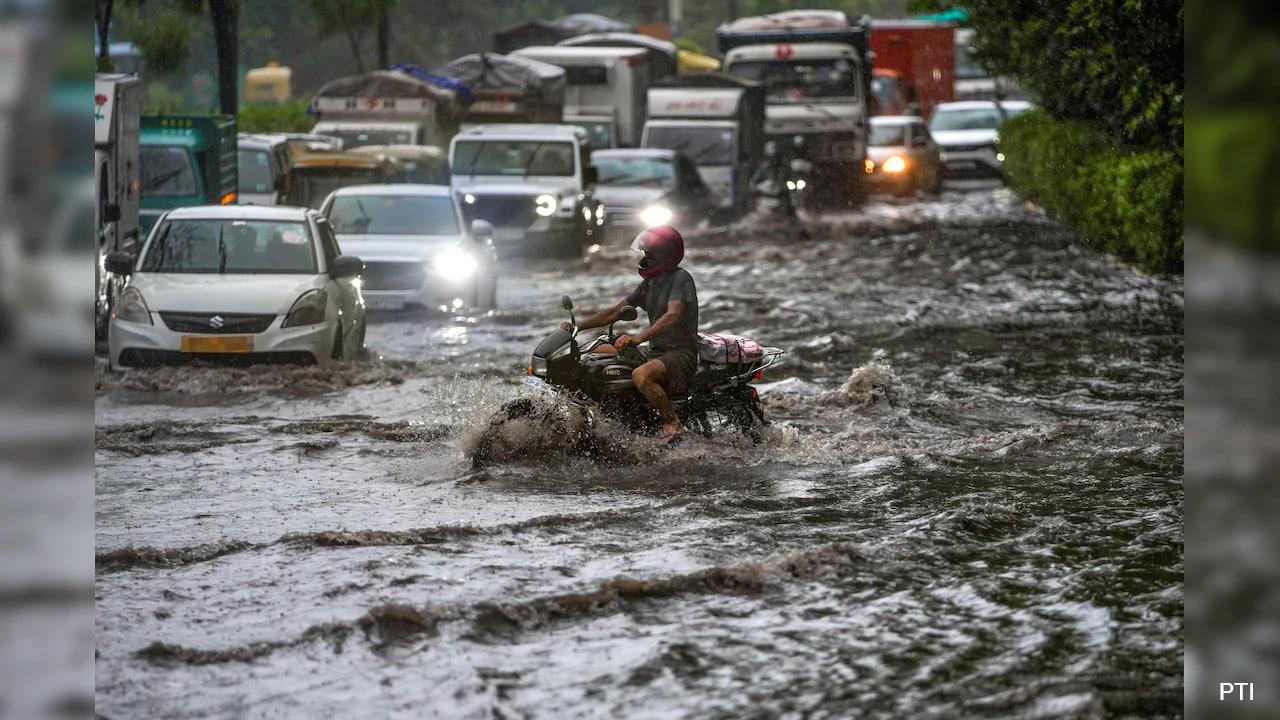
Heavy evening rains lashed multiple parts of Hyderabad on July 28, 2026, catching many off guard and causing widespread showers during rush hour. The sudden downpour brought welcome relief from the daytime heat but also led to wet road conditions across the city.
Key Takeaways
- Hyderabad experienced sudden heavy evening rains on July 28, 2026.
- Localities like Secunderabad, Begumpet, Alwal, Kapra, Moula Ali, Kukatpally, and Miyapur were significantly affected.
- Keesara recorded the highest rainfall at 19.3 mm, according to TGDPS data.
- The rains provided relief from heat but caused wet road conditions during rush hour.
Heavy evening rains lashed several parts of Hyderabad on Tuesday, July 28, 2026, catching many residents unaware. What began as a bright and sunny day quickly gave way to dark clouds around 5 p.m., bringing widespread showers across the city during the critical rush hours.
The intense rainfall was reported from numerous localities, including Secunderabad, Begumpet, Alwal, Kapra, Moula Ali, Kukatpally, Miyapur, and their surrounding areas. While the sudden change in weather brought a much-needed respite from the sweltering daytime heat, it simultaneously led to challenging wet road conditions across many parts of the bustling metropolis.
According to data released by the Telangana Development Planning Society (TGDPS), as of 6 p.m., Keesara recorded the highest rainfall with 19.3 mm. Other significant figures included 18 mm in Medchal, 16 mm in Kompally, 15.8 mm in Jubilee Hills, 14.3 mm in Borabanda, 11.8 mm in Kukatpally, and 9.8 mm in Ameenpur.
Historical Background
Hyderabad's weather patterns are typically characterized by a semi-arid climate, with the monsoon season from June to September bringing the majority of its annual rainfall. While the city often experiences moderate to heavy downpours during this period, sudden, localized evening deluges like the one on July 28, 2026, are not uncommon. These events often highlight the dynamic nature of urban weather and the challenges it poses for infrastructure.
Why This Matters
BozokMedia analysis shows that such sudden and intense rainfall events, while offering immediate relief from heat, underscore critical challenges for urban infrastructure. Hyderabad, a rapidly developing metropolitan area, often faces issues with drainage systems not being adequately equipped to handle sudden deluges, leading to traffic congestion and temporary disruptions. These events highlight the need for robust urban planning and climate-resilient infrastructure to ensure the city's smooth functioning amidst changing weather patterns.
Dr. Anjali Sharma, a leading meteorologist, noted, "Such localized heavy downpours are becoming more frequent, posing significant challenges for urban infrastructure and drainage systems."
The incident serves as a timely reminder for urban planners and residents alike about the unpredictable nature of monsoon weather and the importance of preparedness for potential disruptions, especially during peak commuter times.
Frequently Asked Questions
- What caused the sudden evening rain in Hyderabad on July 28, 2026?
- Which areas recorded the highest rainfall during this event?