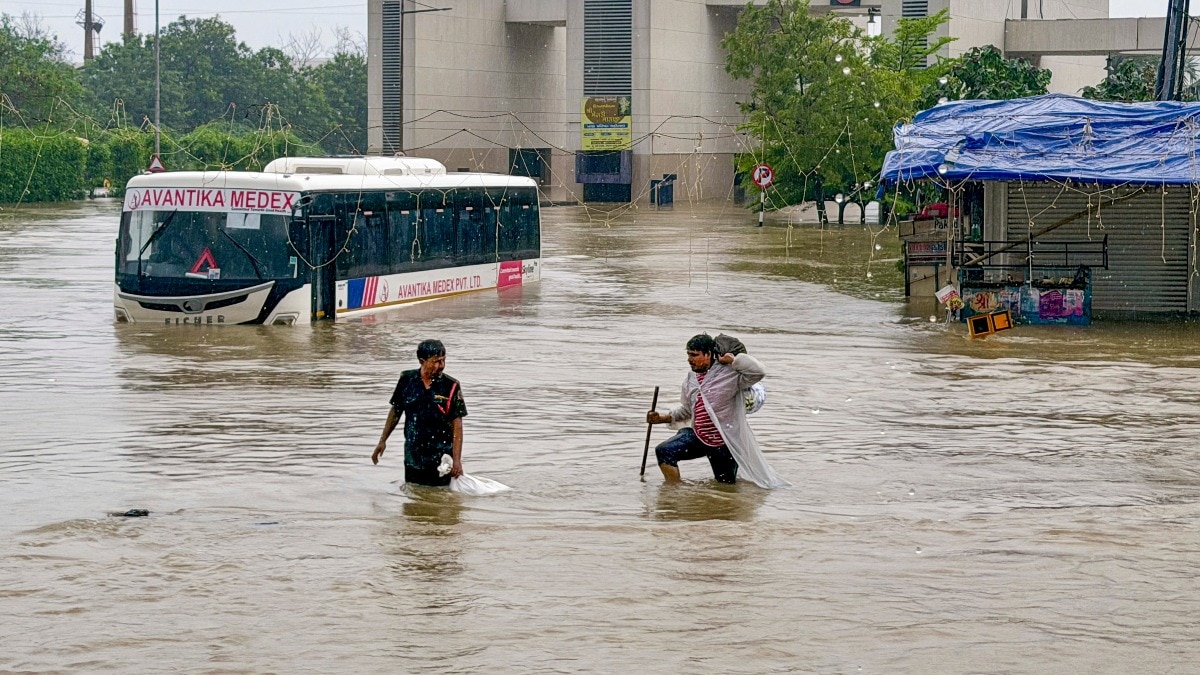
The IMD has issued a red alert for several districts in Gujarat due to a low-pressure system. Residents are warned of flash floods and heavy downpours over the next 48 hours.
Key Takeaways
- IMD has issued a 'Red Alert' for multiple districts across Gujarat.
- A low-pressure system combined with moisture from the Arabian Sea is driving the intensity.
- High risk of flash floods in Ahmedabad, Surat, Vadodara, and Gandhinagar.
- The next 24 to 48 hours are critical for the state's weather conditions.
Gujarat is facing a severe weather crisis as the India Meteorological Department (IMD) has issued a Red Alert for several districts. The state is bracing for intense rainfall, accompanied by strong winds, thunderstorms, and lightning over the next 48 hours.
The primary driver behind this extreme weather is a low-pressure system that originated in Central India and has now moved towards Gujarat. This system, fueled by continuous moisture inflow from the Arabian Sea, is expected to trigger widespread heavy rainfall. Authorities have specifically highlighted Ahmedabad, Gandhinagar, Surat, Vadodara, Navsari, and Aravalli as high-risk zones for flash floods.
Why This Matters
BozokMedia analysis shows that such concentrated weather systems pose a significant threat to urban infrastructure and rural agriculture. The rapid accumulation of water in short periods can lead to overwhelmed drainage systems, submerged roads, and rising river levels, disrupting the entire socio-economic fabric of the region.
The convergence of a low-pressure zone and Arabian Sea moisture is creating a recipe for extreme precipitation in Gujarat.
While the system is expected to gradually weaken, the lingering moisture in the atmosphere ensures that heavy showers will persist for at least another two days. Residents in low-lying areas are advised to remain vigilant and avoid unnecessary travel during peak rainfall periods.
Historical Background
Gujarat's unique geography, characterized by a long coastline, makes it highly susceptible to monsoon-related disturbances. Over the last decade, shifting climatic patterns have led to more frequent instances of extreme rainfall events, making weather preparedness a permanent necessity for the state.
Frequently Asked Questions
1. Which districts are most affected by the Red Alert?
Ahmedabad, Surat, Vadodara, Gandhinagar, and Navsari are among the most affected areas.
2. How long will the heavy rain last?
The most intense period is expected to last for the next 24 to 48 hours.