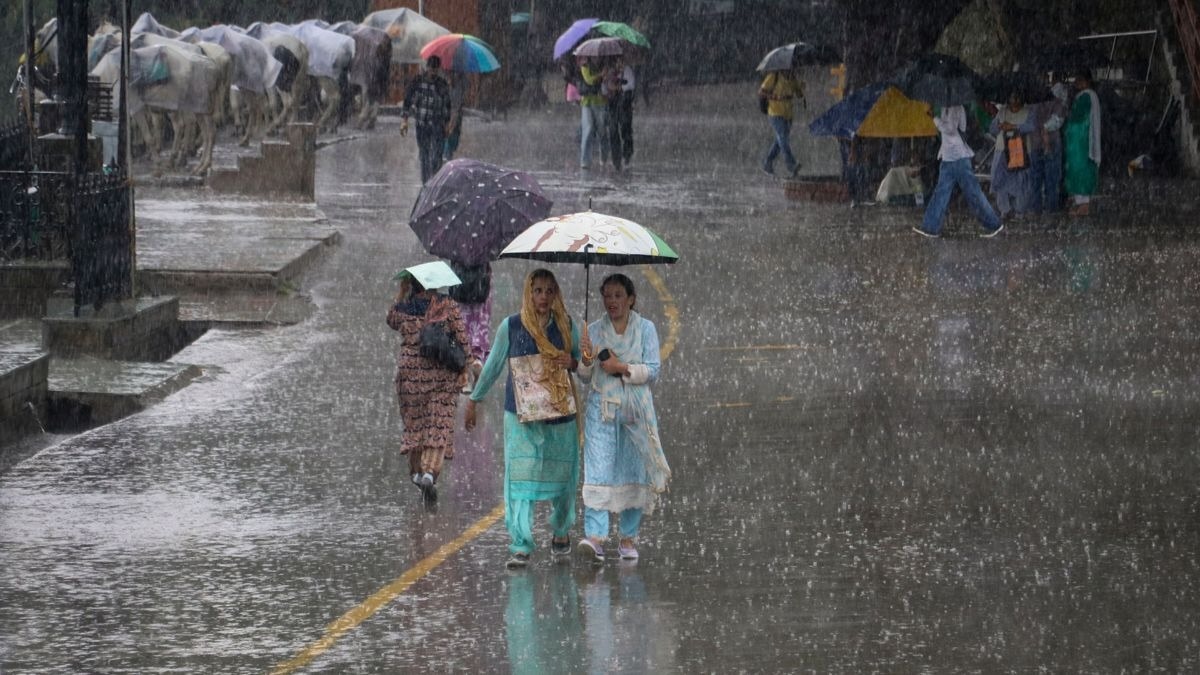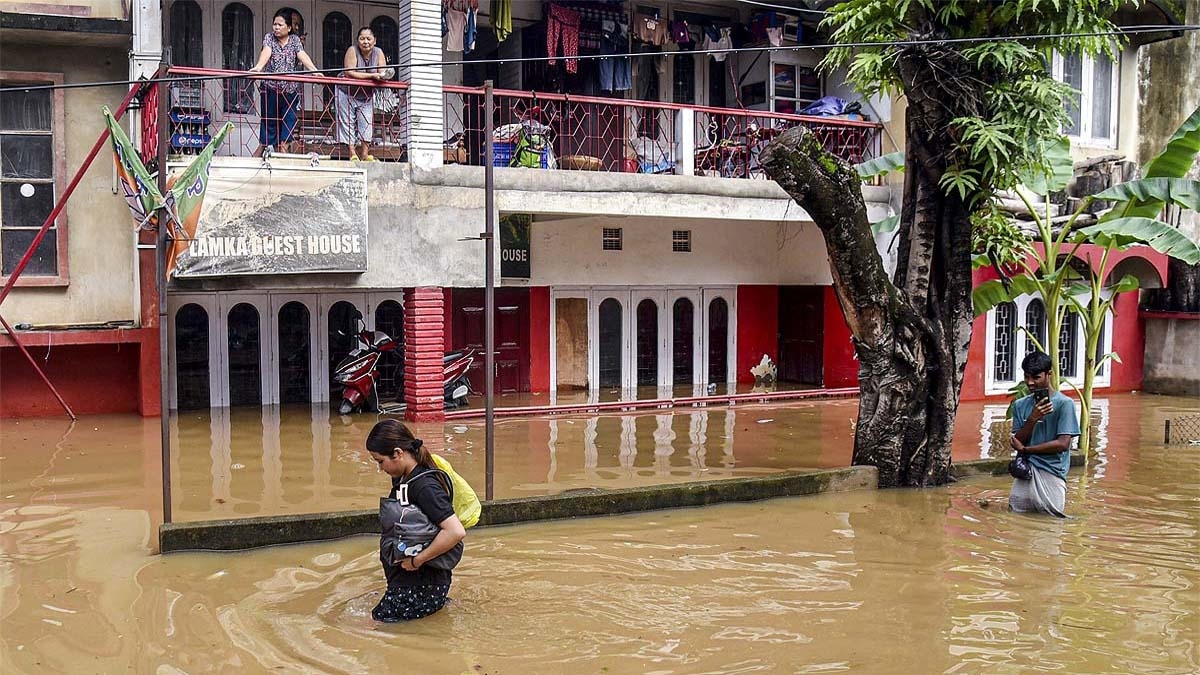
India's 2026 monsoon persists despite the adverse El Niño phase, thanks to robust domestic weather systems. Heavy rains in late July partially offset June’s shortfall, yet August still faces an 11.8% deficit requiring extra precipitation.
Key Takeaways
- Monsoon remains resilient despite El Niño thanks to domestic systems
- Late‑July downpours partially recovered June’s deficit
- August enters with an 11.8% shortfall, demanding extra rain
Current Monsoon Snapshot
According to the India Meteorological Department, cumulative rainfall stands at 424.9 mm against a normal of 481.9 mm, leaving a deficit of 57 mm as August begins.
June‑July Rainfall Contrast
June saw a sluggish start with many regions receiving far below‑average precipitation, raising concerns over soil moisture, delayed sowing, and falling reservoir levels. A burst of heavy rain in the last week of July offered temporary relief, but the overall deficit remains.
August’s Extra Rain Requirement
Typical August rainfall averages 254.9 mm. With an 11.8% shortfall, the month must deliver 121‑141% of normal—roughly 309‑360 mm extra—to meet seasonal targets, a daunting task for August‑September combined.
Why This Matters
BozokMedia analysis shows that monsoon stability directly safeguards agricultural output, rural incomes, food prices, and hydro‑electric generation. Insufficient August rain could trigger drought‑like conditions across several states.
"The activation of local weather systems is the key factor keeping this year’s monsoon from succumbing to El Niño’s negative influence," says senior climatologist Dr. Rajat Singh.
Frequently Asked Questions
Q1: What happens if August’s deficit persists?
A: Continued shortfalls will deplete water storage, jeopardizing next season’s crop yields and drinking‑water supply.
Q2: How reliable are El Niño forecasts for India?
A: El Niño predictions are most reliable 6‑12 months ahead, but regional factors can modulate its impact on the monsoon.