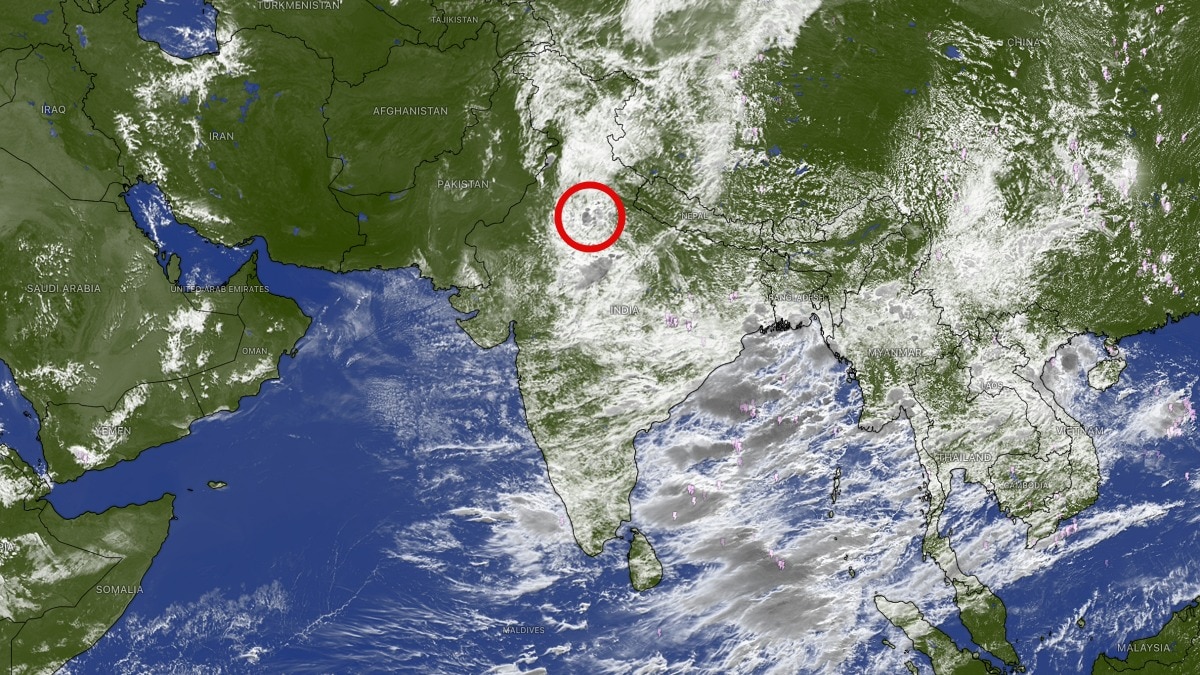
A rare convergence of a monsoon trough, twin cyclonic circulations, and a Western Disturbance has placed Delhi-NCR under a red alert, causing widespread heavy rainfall.
Key Takeaways
- Red alert issued for Delhi-NCR due to intense monsoon activity.
- Triple threat: Monsoon trough, twin cyclonic circulations, and a Western Disturbance.
- High risk of waterlogging in Noida, Faridabad, Gurugram, and Ghaziabad.
- Heavy downpours expected to persist through the day.
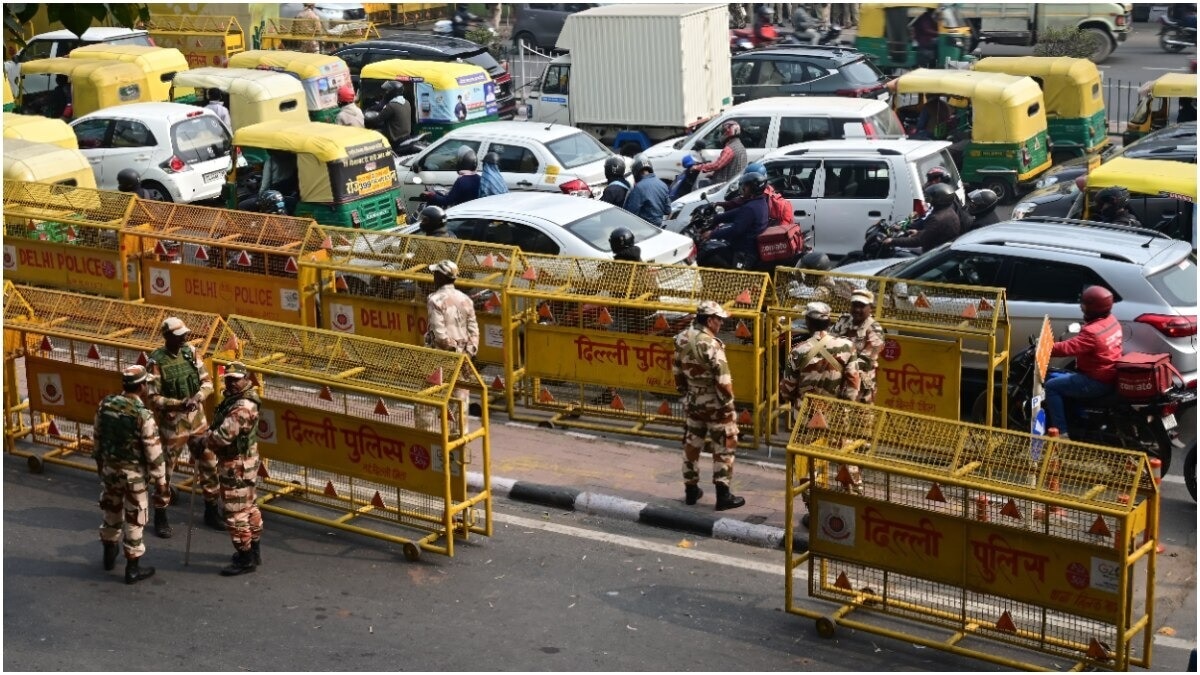
Delhi and the National Capital Region (NCR) remained under a red alert on Friday as intense monsoon showers lashed the region. The heavy rain, which initially began over Noida and Faridabad, has rapidly spread towards Delhi, Gurugram, and Ghaziabad, prompting warnings of severe waterlogging and traffic disruptions.
The Perfect Storm: Meteorological Synergy
Meteorologists have identified a rare and potent combination of weather systems driving this spell. At the surface, the monsoon trough is channeling massive amounts of moisture into northern India. This is being amplified by a persistent upper-air cyclonic circulation over southwest Uttar Pradesh.
Why This Matters
BozokMedia analysis shows that the interaction between two distinct cyclonic circulations—one over southwest UP and another over southeast UP—is significantly strengthening convection. This creates a feedback loop that allows rain-bearing clouds to grow rapidly and discharge heavy precipitation over a concentrated area.
The interaction between a Western Disturbance and an active monsoon trough creates an atmospheric instability that leads to extreme rainfall events.
Furthermore, an active Western Disturbance moving through the upper troposphere is injecting additional moisture, compounding the intensity of the existing monsoon activity. With the ground already saturated, the risk of localized flooding is extremely high.
Weather System Impact Analysis
| System Type | Primary Role |
|---|---|
| Monsoon Trough | Moisture Channeling |
| Cyclonic Circulations | Cloud Growth & Convection |
| Western Disturbance | Atmospheric Instability |
Frequently Asked Questions
1. Which areas are most affected by the red alert?
Delhi, Noida, Faridabad, Gurugram, and Ghaziabad are currently experiencing the highest intensity of rainfall.
2. Is it safe to travel in Delhi-NCR today?
Authorities advise avoiding unnecessary travel due to high risks of waterlogging and traffic congestion.