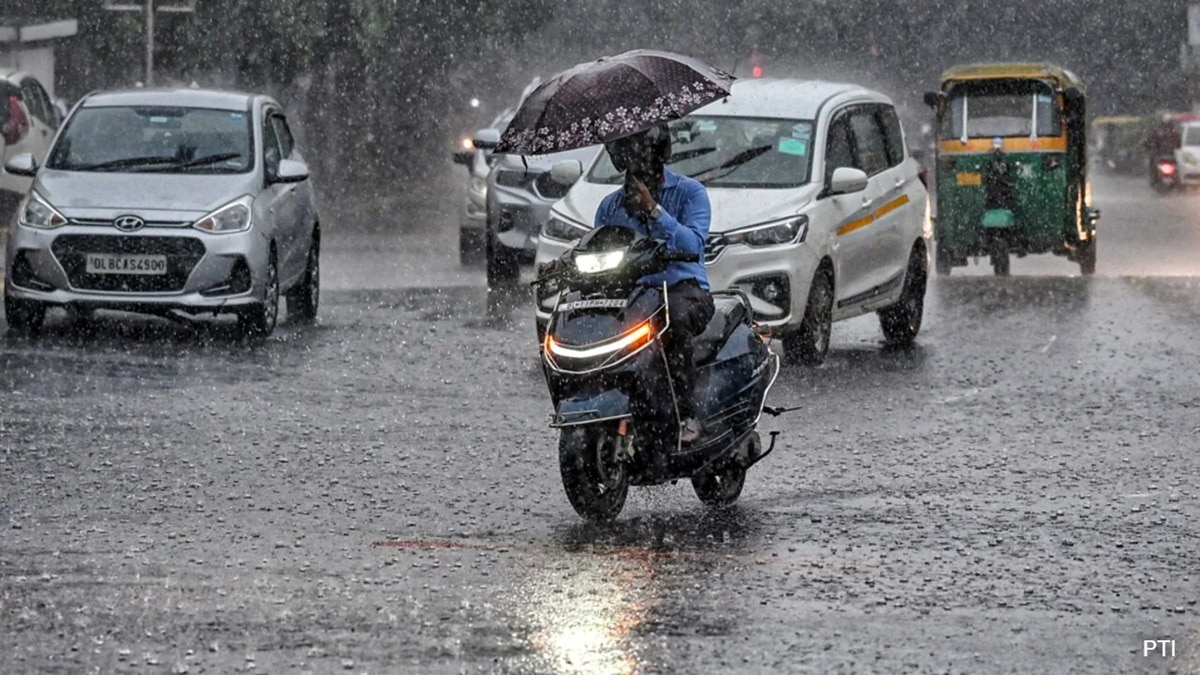
An intensifying low-pressure system over central India has triggered widespread heavy rainfall alerts, including orange alerts for Madhya Pradesh. Flash flood risks are high across several northern and central states.
- Orange alert issued for eastern Madhya Pradesh with extreme rainfall predicted.
- Heavy showers, thunderstorms, and strong winds expected in Delhi-NCR, UP, Bihar, and Chhattisgarh.
- High flash flood risk identified in Himalayan states and parts of Central India.
- Farmers advised to secure livestock and improve field drainage immediately.
A powerful low-pressure system situated over northeastern Madhya Pradesh and adjoining regions is significantly impacting weather patterns across central and northern India. As of August 22, 2026, the India Meteorological Department (IMD) has issued an orange alert for eastern Madhya Pradesh, forecasting intense rainfall ranging between 115.6 to 204.4 millimetres in certain pockets.
The atmospheric disturbance is further complicated by a cyclonic circulation extending up to 4.5 kilometres above sea level. The monsoon trough is currently traversing through key locations including Amritsar, Dehradun, and Lucknow, before stretching towards Ranchi and the Bay of Bengal. This alignment is driving widespread monsoon activity across the subcontinent.
Why This Matters
BozokMedia analysis shows that the convergence of a low-pressure area and an active monsoon trough creates a high-risk environment for both urban centers and rural agricultural belts. The suddenness of rainfall in these regions can overwhelm existing drainage systems, leading to rapid-onset flash floods that pose a threat to life and property.
The current meteorological setup suggests a period of high atmospheric instability, making localized extreme weather events highly probable.
Regional Impact and Forecast: Heavy rainfall is expected to sweep across Uttar Pradesh, Jharkhand, West Bengal, and Odisha. In the National Capital Region (NCR) and Delhi, a yellow alert has been issued due to the likelihood of heavy showers and thunderstorms. Meanwhile, the Himalayan belt—comprising Uttarakhand, Himachal Pradesh, Jammu and Kashmir, and Ladakh—faces increased risks of landslides and rising river levels due to persistent precipitation.
Wind and Lightning Threats: The weather system is not limited to rain alone; it brings the threat of severe thunderstorms and gusty winds. Coastal areas and southern states like Andhra Pradesh and Tamil Nadu may experience wind speeds between 40 to 50 km/h. Residents in Madhya Pradesh and Uttarakhand are specifically warned to stay indoors during lightning strikes to avoid electrical hazards.
Agricultural Precautions: The agricultural sector is on high alert. Authorities have advised farmers to ensure proper drainage in fields to prevent crop waterlogging and to avoid applying fertilizers or pesticides just before heavy downpours. It is also critical to move harvested crops and livestock to elevated, secure locations.
Historical Background
The Indian monsoon is characterized by its seasonal variability. Historically, the formation of low-pressure systems in central India often leads to synchronized heavy rainfall across the Gangetic plains. In recent years, increased moisture availability in the atmosphere has led to more frequent 'extreme rainfall events,' making flash flood management a critical priority for Indian disaster response teams.
Frequently Asked Questions
1. Which areas are at the highest risk of flash floods?
Chhattisgarh, eastern Madhya Pradesh, Jharkhand, and the Himalayan hill districts are currently at high risk.
2. What should be done during a thunderstorm warning?
Avoid open fields, isolated trees, and electrical poles, and stay inside a sturdy building.
| Region | Alert Level | Primary Risk |
|---|---|---|
| Eastern Madhya Pradesh | Orange Alert | Very Heavy Rain, Flash Floods |
| Delhi-NCR | Yellow Alert | Heavy Showers, Waterlogging |
| Himalayan States | Warning Issued | Landslides, River Swelling |