The India Meteorological Department (IMD) has signaled a slowdown in monsoon activity, forecasting below-normal rainfall for the next fortnight. With South India facing a significant deficit, concerns regarding agriculture and water security are mounting.
- The national monsoon rainfall is currently at a 13% deficit.
- IMD predicts below-normal precipitation for the upcoming two weeks.
- South India is experiencing a widening rainfall deficit of 22%.
- The impact of El Niño remains a critical factor for future forecasts.
The India Meteorological Department (IMD) has issued a cautionary forecast indicating a weakening of the monsoon across much of the country. Recent data suggests that the monsoon is currently operating at a 13% deficit, marking a significant shift from the expected seasonal patterns. This slowdown comes at a critical juncture for the agricultural sector.
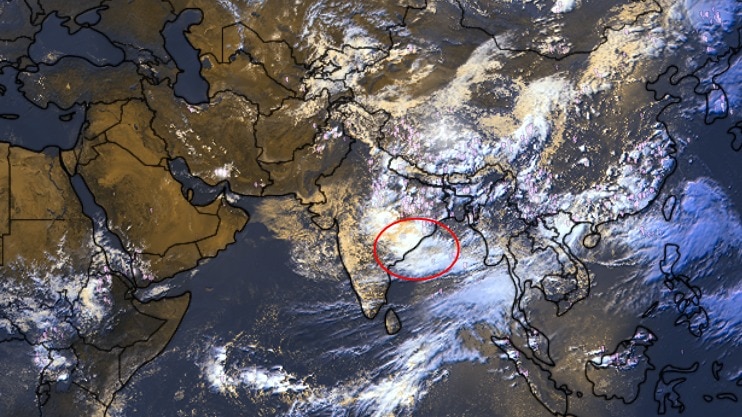
Regional disparities in rainfall are becoming increasingly pronounced. According to reports from HDFC Bank and other financial analysts, the rainfall deficit in South India has widened to a staggering 22%. While the Bay of Bengal is preparing to host new low-pressure systems, the immediate outlook remains underwhelming for many rain-dependent regions.
Why This Matters
BozokMedia analysis shows that the uneven distribution and the overall deficit in rainfall could trigger a ripple effect through the Indian economy. A prolonged dry spell during the monsoon season typically leads to reduced crop yields, which in turn can drive up food inflation and impact the purchasing power of rural populations.
The current monsoon pattern suggests a complex interplay between local atmospheric conditions and the lingering influence of El Niño.
The threat of El Niño continues to loom over the subcontinent. The APCC (Asia Pacific Climate Center) has flagged a heightened risk of below-normal rainfall due to the strengthening of El Niño patterns. While some experts suggest the current impact is still 'manageable,' the trend toward lower precipitation levels cannot be ignored.
Rainfall Deficit Comparison
| Region | Rainfall Deficit (%) | Risk Level |
|---|---|---|
| National Average | 13% | Moderate |
| South India | 22% | High |
| North India | Near Normal | Low |
As the monsoon enters this slower phase, meteorological agencies are closely monitoring the Bay of Bengal for any signs of cyclonic circulation that could replenish the moisture levels. For now, the focus remains on managing the existing water deficit and preparing for potential agricultural challenges.
Frequently Asked Questions
1. Is El Niño responsible for the current rainfall deficit?
While El Niño is a major contributing factor to weakened monsoons, local weather systems also play a significant role in rainfall distribution.
2. How will this affect food prices in India?
If the rainfall deficit persists, it may lead to lower crop production, potentially causing an increase in the prices of essential food commodities.