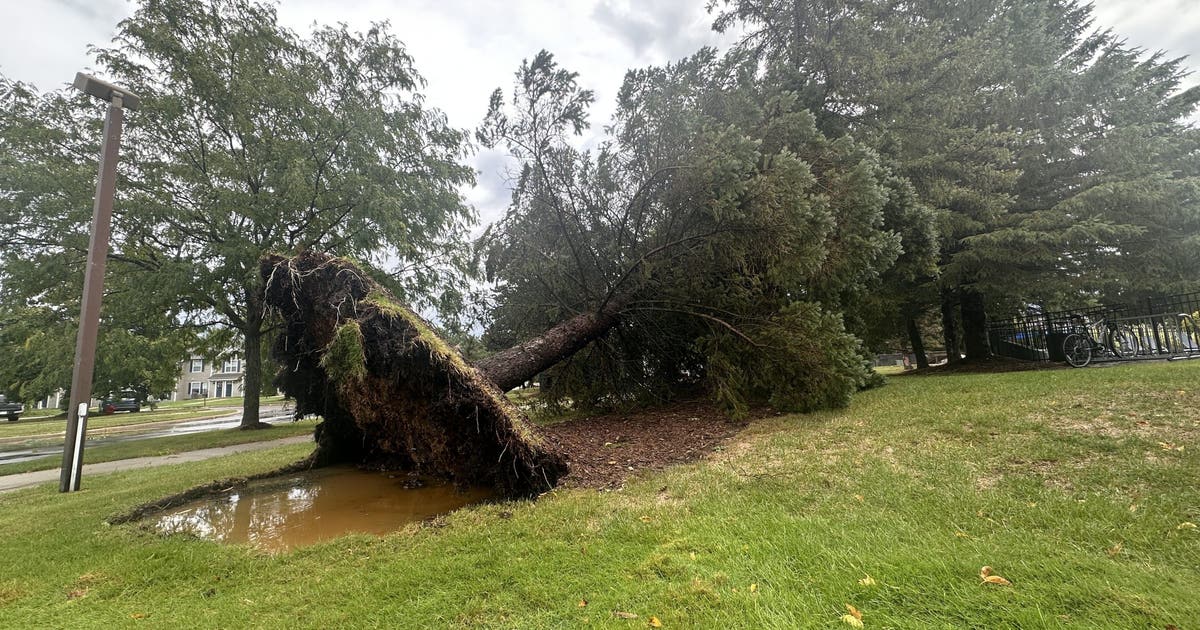
Extreme weather and a confirmed EF-0 tornado have caused widespread damage across Metro Detroit, leaving thousands without power and causing significant tree damage.
- An EF-0 tornado touched down in Marysville, St. Clair County.
- Severe storms caused power outages for nearly 120,000 customers.
- Madison Heights and Marysville were among the hardest-hit areas.
The Metro Detroit region is reeling from the aftermath of intense severe weather that swept through the area on Wednesday and Thursday. The National Weather Service (NWS) has officially confirmed that a tornado touched down in Marysville, located in St. Clair County, around 7:19 p.m. on September 2. While rated as an EF-0—the lowest tier on the Enhanced Fujita scale—the storm still caused notable localized disruption.
Tornado Impact and Path
According to the NWS, the brief but intense tornado tracked across a narrow path between Gratiot Boulevard and Highway 29. The storm traveled approximately 0.35 miles with peak wind speeds reaching 75 mph. While the path was limited, the sporadic tree damage reported along this route highlights the unpredictable nature of even low-rated tornadoes.
Widespread Power Outages
Beyond the specific tornado in Marysville, the broader Metro Detroit area was hammered by a massive system of thunderstorms, lightning, and torrential downpours. The scale of the weather event was immense, with power outages peaking at nearly 120,000 customers. Areas such as Madison Heights reported significant damage, struggling to cope with the onslaught of heavy winds and rain.
Why This Matters
BozokMedia analysis shows that the increasing frequency of these intense weather bursts places immense strain on local utility grids and emergency services. The transition from severe thunderstorms to tornadic activity can happen in minutes, leaving little time for residents to seek cover.
Even an EF-0 tornado can cause significant property damage and power interruptions in densely populated suburban corridors.
Historical Background: The Great Lakes region, including Michigan, frequently experiences volatile weather patterns during late summer and early fall, as warm, moist air clashes with cooler fronts, creating ideal conditions for supercells and tornadoes.
Frequently Asked Questions
Q1: How strong was the tornado in Marysville?
A: It was rated an EF-0, with wind speeds ranging between 65-85 mph.
Q2: How many people lost power during the storms?
A: At the peak of the storm, approximately 120,000 customers were without electricity.