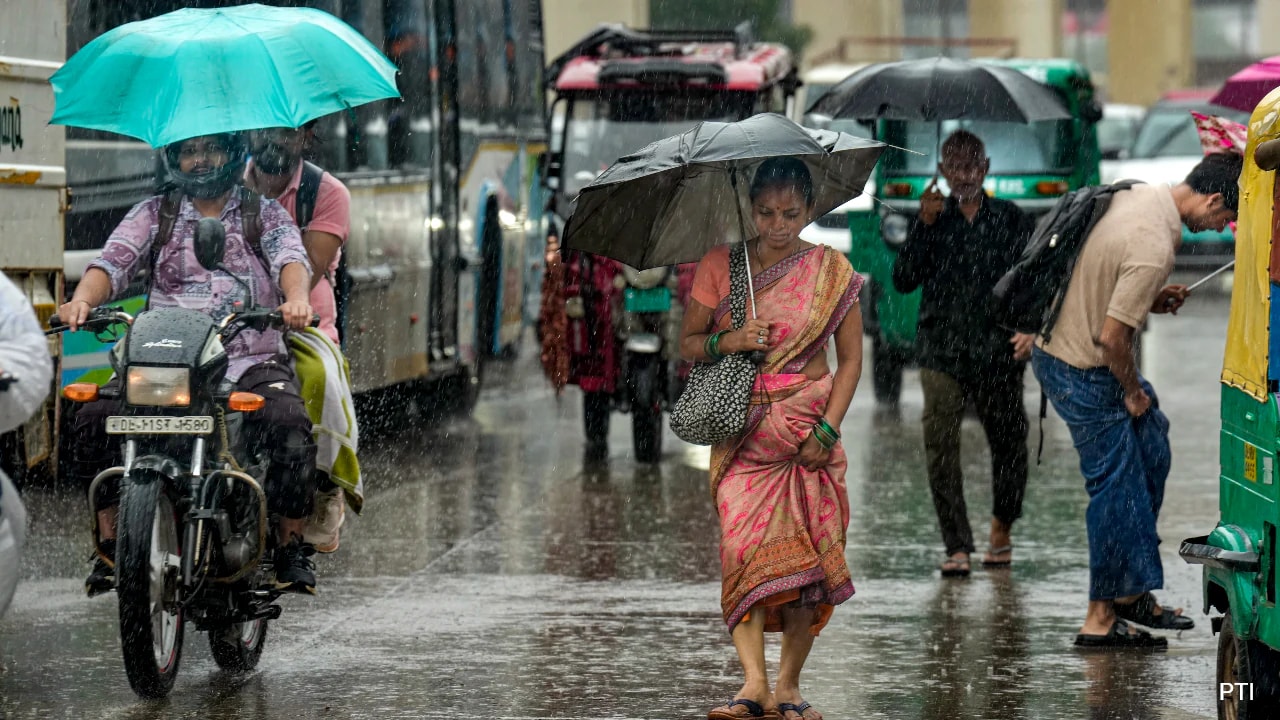
The India Meteorological Department (IMD) has issued warnings for heavy to very heavy rainfall across Delhi-NCR, Haryana, and Madhya Pradesh due to an active low-pressure system.
- IMD has issued heavy rain alerts for Delhi-NCR, Haryana, and Uttar Pradesh.
- Madhya Pradesh is expected to witness heavy to very heavy rainfall through tomorrow.
- An active low-pressure system is driving weather disruptions across North and Central India.
- Temperatures in Delhi-NCR remain below normal due to persistent rains.
The India Meteorological Department (IMD) has issued a widespread weather warning today, predicting heavy to very heavy rainfall across multiple states in India. Major regions including Delhi-NCR, Haryana, and Uttar Pradesh are on high alert as weather patterns shift significantly. The primary driver behind this intense monsoon activity is a developing low-pressure system currently active over North and Central India.
Regional Impact and Rainfall Intensity
According to the latest meteorological bulletins, Madhya Pradesh is bracing for heavy to very heavy downpours that are expected to persist until tomorrow. In the northern belt, states like Haryana and Uttar Pradesh are grappling with weather disruptions that could impact daily commuting and local infrastructure. In Delhi-NCR, the continuous rainfall has kept temperatures below the seasonal norm, providing relief from the heat but raising concerns regarding urban flooding.
Why This Matters
BozokMedia analysis shows that such intense precipitation events put immense pressure on urban drainage systems and regional logistics. The sudden onset of heavy rain often leads to waterlogging in metropolitan areas, disrupting public transport and increasing the risk of localized flooding in low-lying regions.
The activation of the low-pressure system is significantly amplifying monsoon intensity, making extreme weather events more frequent in this corridor.
Historical Background: India's monsoon patterns have undergone significant shifts due to climate change. The increasing frequency of 'extreme rainfall events'—where a large volume of rain falls in a very short duration—has become a recurring challenge for Indian urban planning and disaster management authorities.
Frequently Asked Questions
1. Which states are most affected by the current rain alert?
Delhi-NCR, Haryana, Uttar Pradesh, and Madhya Pradesh are currently under heavy rain warnings.
2. How will this affect travel in Delhi?
Commuters should expect potential waterlogging and traffic delays in several parts of the NCR region.