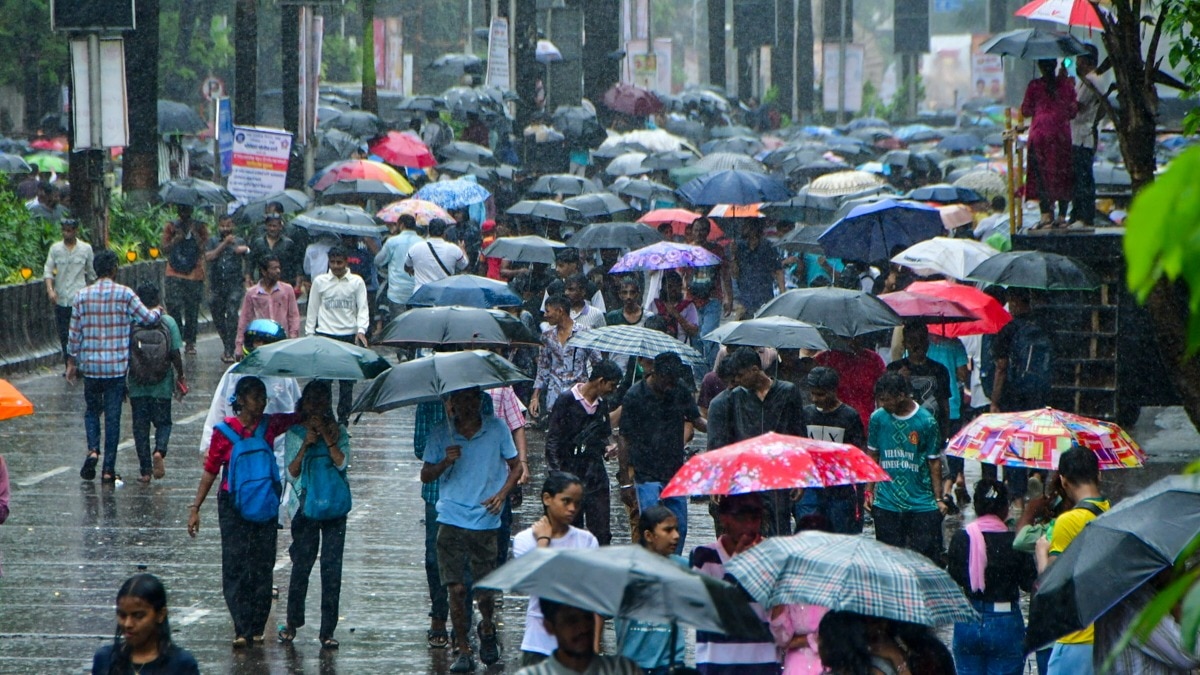
The Meteorological Department has issued a high-alert warning as the monsoon intensifies, predicting torrential rainfall across two specific states in the next few days.
- Intensifying monsoon expected to bring heavy downpours to two states.
- IMD issues high-level alerts for coastal and hilly regions.
- Risk of flash floods and landslides in the next 48-72 hours.
The India Meteorological Department (IMD) has released a critical weather advisory regarding the intensifying monsoon patterns. According to the latest satellite imagery and atmospheric data, a significant surge in rainfall activity is expected to lash two specific states within the coming days. This shift in weather patterns is attributed to a developing low-pressure system over the region.
Meteorologists suggest that the moisture-laden winds are picking up speed, which could lead to extreme precipitation events. Local authorities have been put on high alert to manage potential emergencies such as urban flooding, landslides in hilly terrains, and rising river levels. Residents in low-lying areas are being advised to remain vigilant.
Why This Matters
BozokMedia analysis shows that sudden extreme weather events pose a dual threat: immediate danger to human life and long-term economic disruption to the agricultural sector. Infrastructure stability in these regions is being tested as the monsoon progresses.
The increasing frequency of intense rainfall bursts is a direct consequence of shifting global climatic patterns and warming ocean temperatures.
Historical Background: Historically, the Indian Monsoon has been the backbone of the nation's agrarian economy. However, in recent decades, the predictability of the monsoon has decreased, leading to more frequent occurrences of erratic and heavy rainfall episodes that challenge disaster management frameworks.
Frequently Asked Questions
Question 1: Which states are most at risk?
Answer: While the specific states are identified in the localized IMD bulletins, the current system is targeting regions with high moisture convergence.
Question 2: What precautions should citizens take?
Answer: Avoid traveling during heavy spells, stay away from water bodies, and keep emergency kits ready.