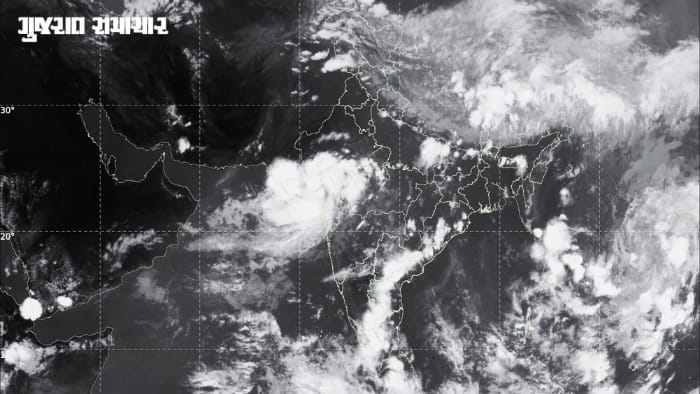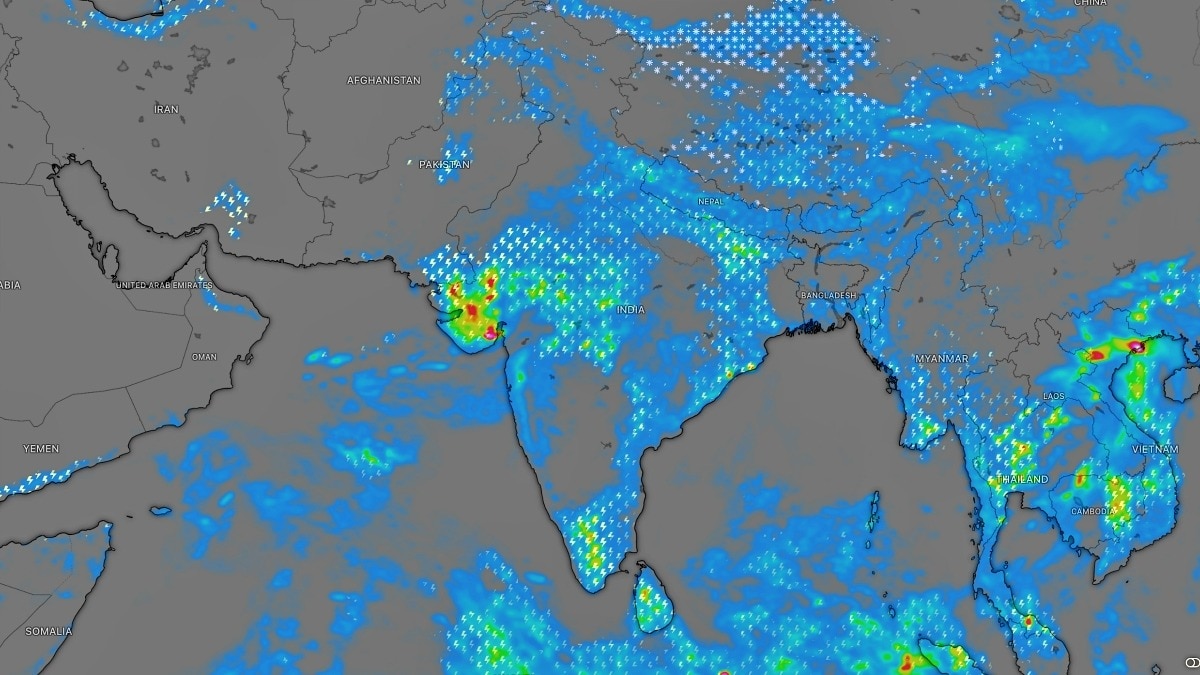
A powerful monsoon system is moving into Gujarat, prompting authorities to issue weather alerts. Heavy to extremely heavy rainfall is expected across several districts.
- Intense monsoon system moving into Gujarat causing widespread alerts.
- Risk of flash floods and waterlogging in low-lying areas.
- Authorities urge citizens to remain vigilant and avoid coastal areas.
The state of Gujarat is currently on high alert as a powerful monsoon system begins to dominate the regional weather patterns. According to the India Meteorological Department (IMD), the incoming system is expected to trigger heavy to extremely heavy rainfall across multiple zones, including South Gujarat and the Saurashtra peninsula.
Meteorological Outlook and Regional Impact
The weather system is characterized by high moisture inflow, which is likely to result in continuous precipitation for the next 48 to 72 hours. This influx of rain poses a significant threat to urban infrastructure, with potential waterlogging in major cities and rising water levels in key river basins. Local administration has been mobilized to manage potential flood-like situations.
Why This Matters
BozokMedia analysis shows that such intense weather patterns necessitate a synchronized response between meteorological forecasting and ground-level disaster management. For Gujarat's economy, which relies heavily on both agriculture and industrial logistics, uninterrupted rainfall can lead to significant disruptions in supply chains and crop management.
The rapid movement of monsoon depressions requires real-time monitoring to mitigate the risks of sudden flash flooding.
Historical Background: Gujarat has frequently faced extreme weather events ranging from severe droughts to heavy monsoon inundations. In recent years, the shift in monsoon patterns has led to more localized and intense rainfall events, challenging the state's existing drainage and flood-control mechanisms.
Frequently Asked Questions
1. Which parts of Gujarat are most at risk?
The coastal belts and the southern districts are expected to receive the heaviest rainfall.
2. What should residents do during the alert?
Residents should stay updated via official weather channels and avoid traveling during heavy downpours.