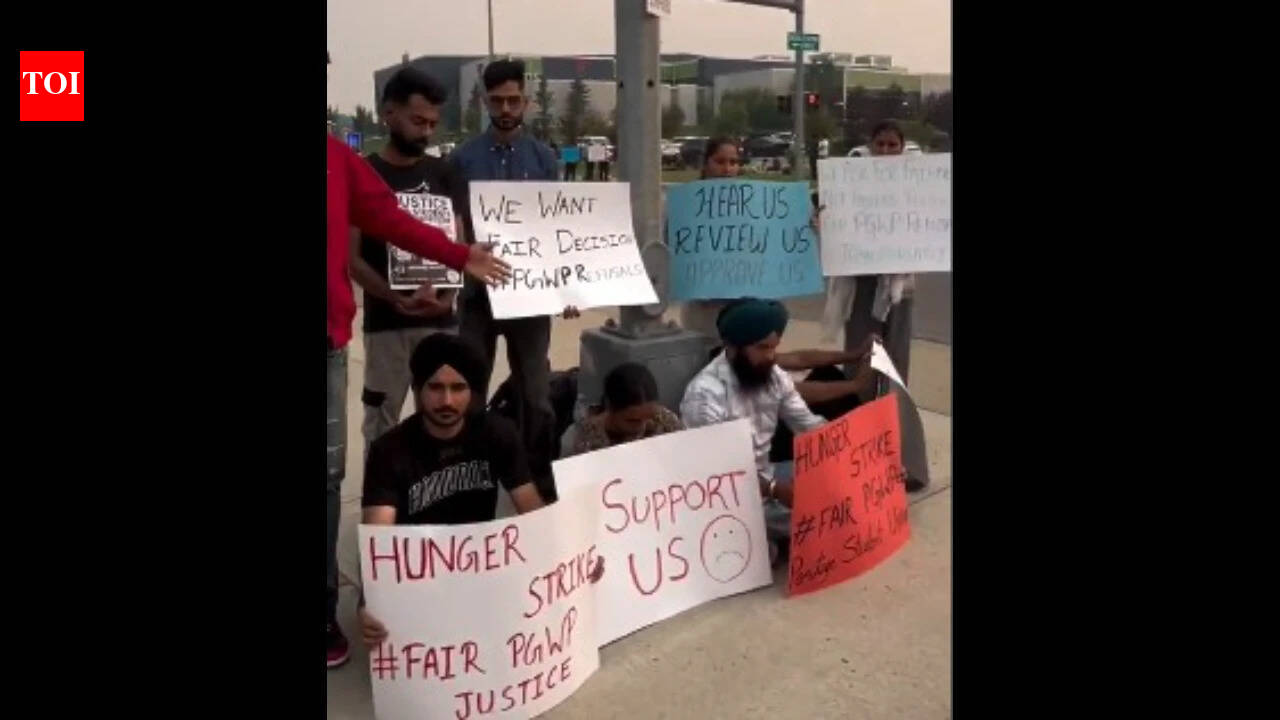
Indian students at Portage College, Canada, have initiated a hunger strike following the denial of their Post-Graduation Work Permits (PGWP). Thousands are protesting against the IRCC's sudden decision regarding course eligibility.
Key Takeaways
- Indian students at Portage College, Calgary, have started a hunger strike.
- The protest is against the IRCC's decision to deny PGWP based on course eligibility.
- Students claim they paid $32,000 for programs that were previously eligible.
- The dispute centers on whether the diplomas are 'non-credit' programs.
In a desperate bid to grab the attention of Canadian authorities, a group of Indian students at Portage College in Calgary has commenced a hunger strike. This move comes after weeks of peaceful protests regarding the denial of their Post-Graduation Work Permits (PGWP) by Immigration, Refugees and Citizenship Canada (IRCC).
While thousands of students have been participating in demonstrations, a core group of 5-6 students has opted for a hunger strike to highlight the gravity of their situation. The students' rallying cry, "We studied here, we deserve to work here," echoes the frustration of many international scholars facing sudden policy shifts.
Why This Matters
BozokMedia analysis shows that this situation highlights a growing instability in Canada's international education sector. The core of the dispute lies in the eligibility of diploma programs offered by Portage College and the Canadian Institute of Osteopathic Therapy. Students argue that the rules were changed mid-way or after they had already completed their studies.
"The sudden reclassification of completed courses as 'non-credit' programs creates a massive breach of trust between educational institutions and international students."
The financial stakes are incredibly high. Students claim they invested approximately $32,000 into their two-year programs, only to be told upon completion that their credentials no longer qualify for work authorization. They allege that the eligibility criteria on the IRCC website were updated in June 2026, long after they had enrolled under different guidelines.
Historical Background
Canada has recently undergone significant shifts in its immigration policies to curb the rapid rise in international student numbers. These changes often involve tightening the criteria for study permits and work permits, which has led to widespread confusion and legal challenges for students who entered the country under previous regulatory frameworks.
Frequently Asked Questions
Q1: Why were the students' work permits denied?
A: The IRCC stated that the specific diploma programs studied by the students do not meet the current eligibility criteria for a PGWP.
Q2: What is the students' main grievance?
A: They argue that the programs were eligible when they enrolled and paid their fees, and that the rules were changed retroactively.