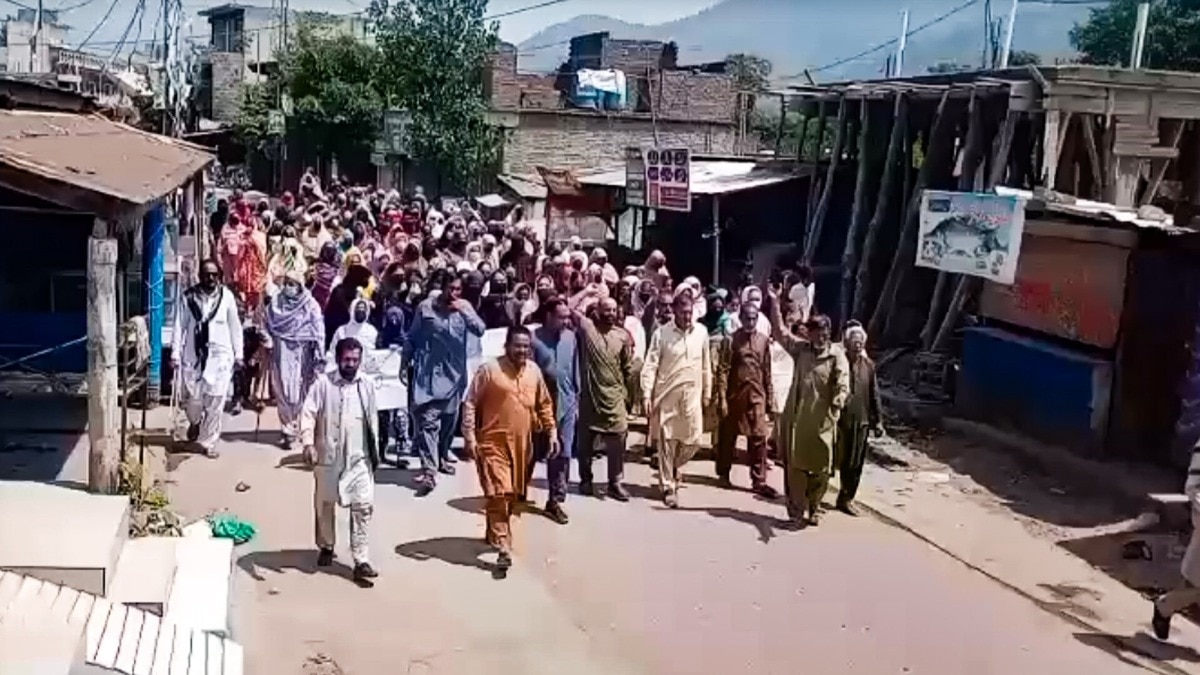
A violent crackdown in Rawalakot, PoK, has left at least 9 people dead following alleged firing by Pakistani security forces on protesters. The Joint Awami Action Committee (JAAC) has condemned the action as the region remains on high alert.
Key Takeaways
- Pakistani security forces allegedly opened fire on protesters in Rawalakot, PoK.
- At least 9 deaths reported by the Joint Awami Action Committee (JAAC).
- Internet services suspended across several parts of PoK to curb information flow.
- Demands include political representation and better economic governance.
The situation in Pakistan Occupied Kashmir (PoK) has turned critical following a violent confrontation in Rawalakot. Protesters who took to the streets to voice their grievances were met with what is described as lethal force by Pakistani security agencies. Reports indicate that the firing has resulted in the deaths of at least 9 individuals, sparking widespread outrage and tension across the region.
The Joint Awami Action Committee (JAAC) has released a list of the deceased, including names such as Usman Nazir, Kashif, and Mohammad Ibrahim. The committee claims the death toll could rise as more information emerges from the conflict zones. In an attempt to control the narrative and prevent further mobilization, authorities have reportedly suspended internet services in multiple parts of PoK.
Why This Matters
BozokMedia analysis shows that the unrest in PoK is a symptom of a much deeper systemic failure within the administration. The transition from peaceful protests to fatal clashes highlights the growing disconnect between the local population and the ruling authorities, potentially leading to long-term instability in the region.
The use of lethal force against civilian protesters marks a dangerous escalation in PoK's internal political struggle.
The protesters' demands are rooted in socio-economic and political rights, including the abolition of the 12 reserved seats in the local assembly, increased political representation for locals, the release of detained activists, and urgent reforms in electricity and economic management. Since early June, large-scale protests, strikes, and shutdowns have paralyzed local businesses and transport.
Historical Background
The region of PoK has been grappling with severe economic hardships, including skyrocketing inflation and acute electricity shortages. These issues, combined with a sense of political marginalization, have fueled the rise of grassroots movements like the JAAC, which has successfully mobilized the public against the status quo.
Frequently Asked Questions
Q1: What are the primary demands of the protesters in PoK?
A: Their demands include political representation, the removal of reserved seats, and better access to electricity and economic stability.
Q2: Is communication available in Rawalakot?
A: Many areas are facing internet shutdowns as part of the government's crackdown on the protests.