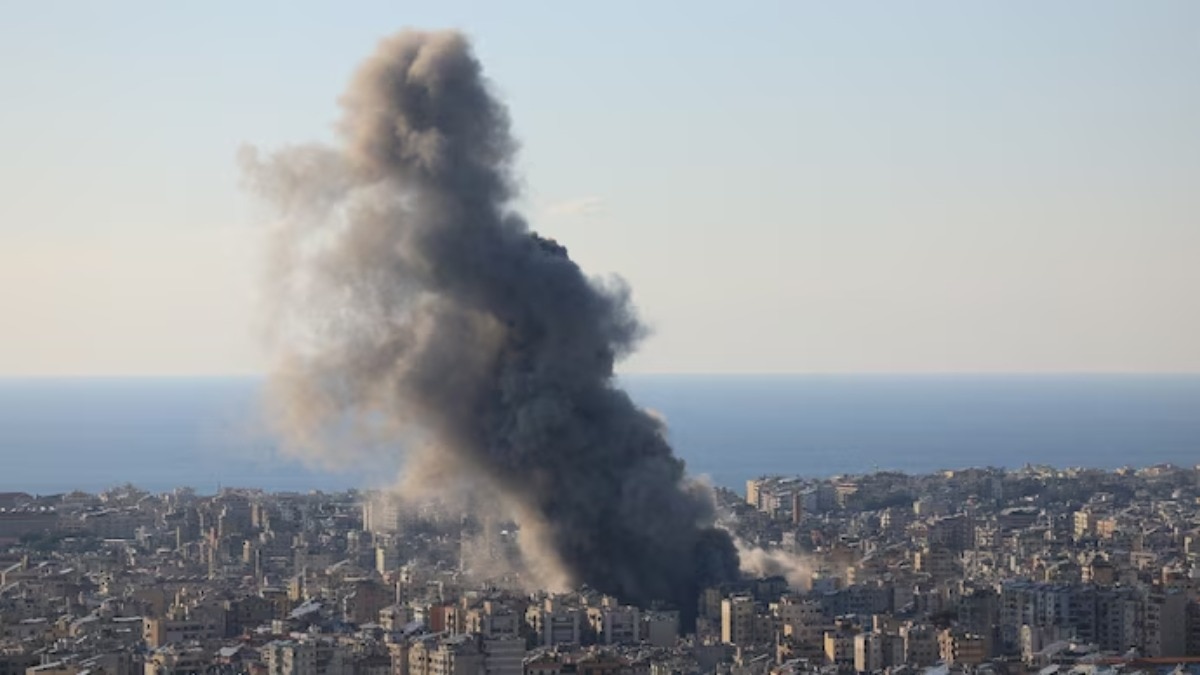
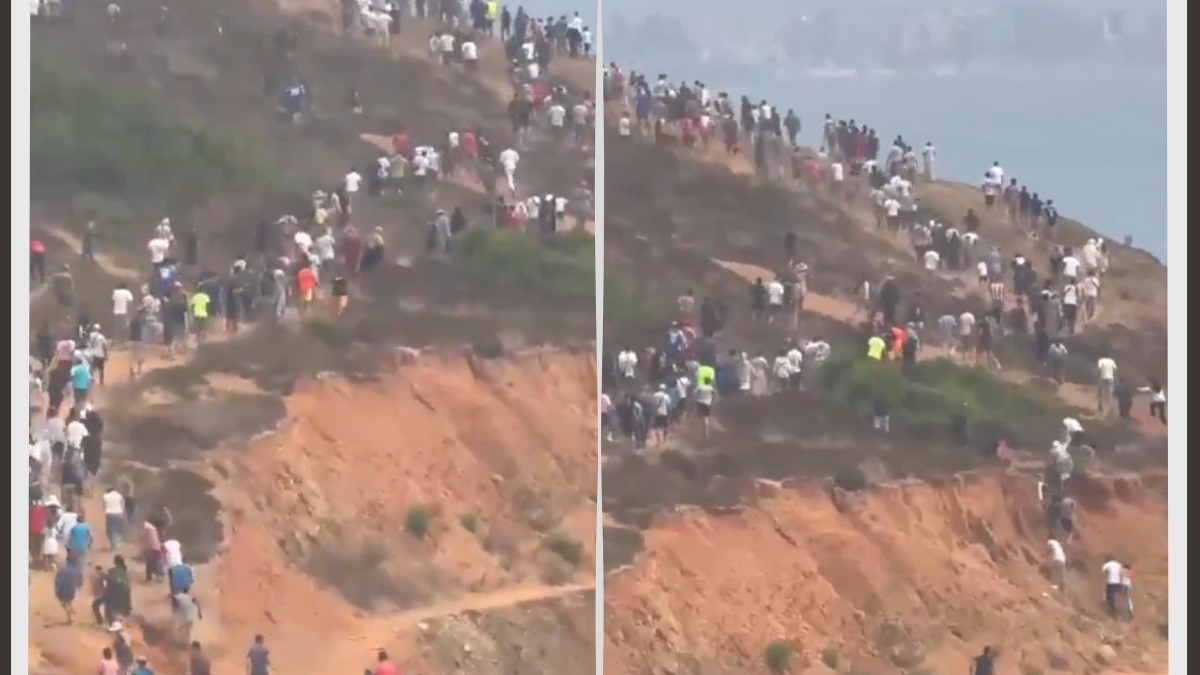
Violent clashes broke out near the Morocco‑Spain border after thousands of migrants entered the Spanish enclave of Ceuta. Spain responded by deploying military forces to reinforce security.
Key Takeaways
- Violent clashes broke out near the Morocco‑Spain border.
- Thousands of migrants entered the Spanish enclave of Ceuta.
- Spain deployed military units to reinforce security.
On July 31, 2026, cars were set ablaze and large‑scale confrontations erupted at the checkpoint bordering Morocco and Spain. Moroccan security forces had been on high alert after a surge of migrants crossed into the Spanish enclave of Ceuta earlier this month.
In response, the Spanish government swiftly dispatched military personnel to the frontier. Troops fortified fences, increased aerial surveillance, and even deployed naval units to deter further crossings.The tension between local residents and migrant groups escalated, resulting in multiple incidents of violence. Officials note a 40% rise in migrant arrivals compared with the first half of the year.
Why This Matters
BozokMedia analysis shows that such border flashpoints signal a broader shift in Europe’s migration policy, where security measures are being rapidly hardened. The fallout affects not only regional safety but also the EU’s overarching migration‑management strategy.
"The surge at Ceuta underscores a policy failure that demands immediate multilateral action," says security analyst Dr. Ali Shami.
Frequently Asked Questions
Question 1: Will Spain maintain a permanent military presence at the border?
Answer: Currently, Spain has deployed additional troops on a temporary basis; a long‑term deployment plan is still under review.
Question 2: How might the clashes affect the local economy?
Answer: Border closures and trade disruptions could cause a short‑term dip in commerce, though stability may restore activity quickly.