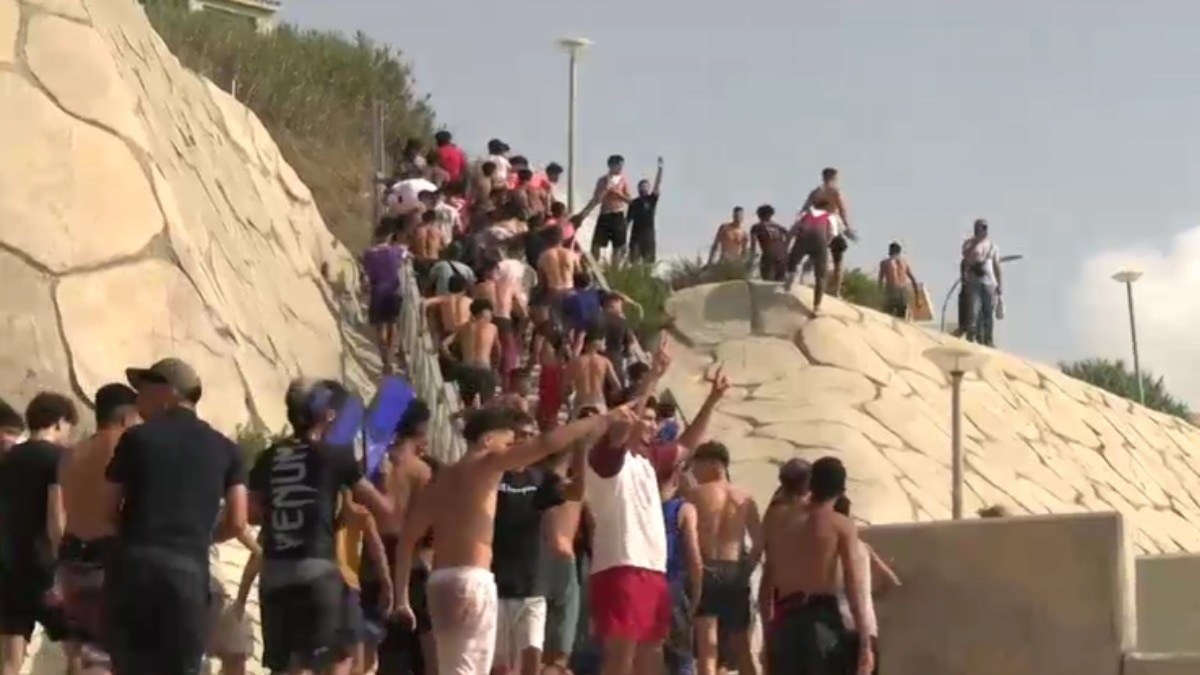
The Spanish city of Ceuta is facing a massive humanitarian and security crisis as 60,000 illegal migrants from Morocco have flooded the enclave. The situation has turned fatal, with 67 deaths reported during the border crossings.
Key Takeaways
- 60,000 illegal migrants have entered Ceuta, a city with a total population of 84,000.
- The death toll from the border clashes has risen to 67.
- The Spanish government has deployed the military and announced new maritime barriers.
- A Supreme Court ruling regarding asylum rights triggered a massive influx due to rumors.
The Spanish enclave of Ceuta is currently engulfed in a severe humanitarian and security crisis. Following a massive surge of illegal migrants from neighboring Morocco, the city is struggling to maintain order. Shockingly, in a city with a total population of only 84,000, over 60,000 illegal migrants have arrived, accounting for more than 70% of the city's total population.
The attempts to cross the border via land and sea have led to violent confrontations. According to official reports from the Spanish government, the death toll has climbed to 67 people. Migrants were observed using various methods to breach the border, including swimming, using floating tubes, and traveling in small boats. In response to the escalating chaos, the Spanish government has deployed the military to Ceuta and announced the installation of new blocker barriers along the breakwater.
Why This Matters
BozokMedia analysis shows that this crisis highlights the extreme vulnerability of European borders and the complex interplay between national security and international human rights laws. The sudden demographic shift in such a small enclave poses an immediate threat to local infrastructure and social stability.
The tension between enforcing border integrity and upholding humanitarian obligations is reaching a breaking point in the Mediterranean.
Reports indicate that while approximately 37,000 people have voluntarily returned to Morocco, thousands remain stranded, living on sidewalks and in open spaces. This group includes a vulnerable population of nearly 7,000 minors and children. The crisis was exacerbated by rumors following a Spanish Supreme Court ruling which stated that those reaching Ceuta cannot be summarily deported without a hearing.
Historical Background
Ceuta is a Spanish territory that is geographically surrounded by Morocco. Despite its African location, it operates under Spanish law and is part of the European Union. The proximity to Morocco—with a sea distance of only about 14 kilometers—makes it a primary target for migrants seeking a better life within the EU.
Frequently Asked Questions
Question 1: How many migrants are currently in Ceuta?
Answer: There are approximately 60,000 illegal migrants in a city of 84,000 people.
Question 2: What is the Spanish government's response?
Answer: The government has deployed the military and is constructing new maritime barriers to prevent further influx.