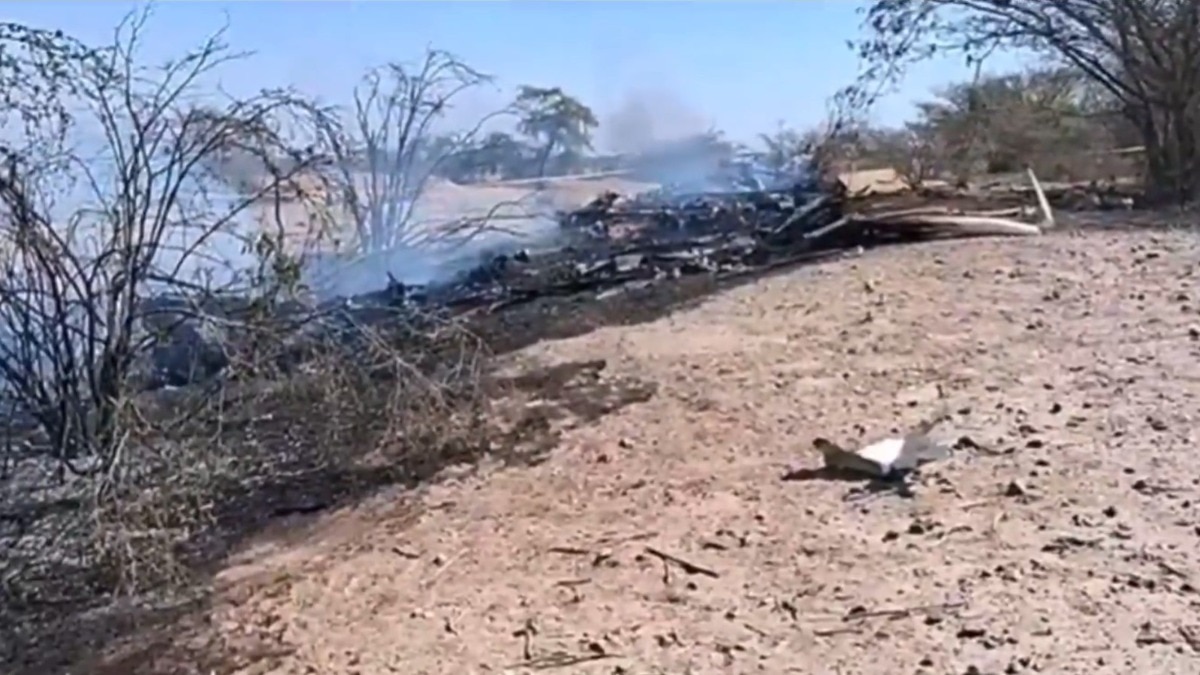
A small tourist aircraft crashed in southern Peru near the UNESCO-listed Nazca Lines, resulting in the deaths of all 13 people on board. Authorities have launched a full-scale investigation into the cause of the disaster.
Key Takeaways
- 13 people, including 2 pilots and 11 passengers, perished in the crash.
- The aircraft was a small tourist plane operated by Aerodiana.
- The incident occurred near the historic Nazca Lines archaeological site.
- Investigation is underway to determine the cause of the loss of contact.
A devastating aviation accident has claimed 13 lives in southern Peru after a small tourist aircraft crashed near the world-renowned Nazca Lines. According to authorities in the Nazca province, the aircraft was carrying 11 passengers and two pilots at the time of the impact. The crash occurred in the Pueblo Viejo area, situated approximately 12 kilometers from the famous archaeological site.
Details of the Incident
The flight had departed from Pisco Airport for a sightseeing tour, a popular activity for tourists visiting the region. However, local news outlet RPP reported that the aircraft lost contact with the air traffic control tower only minutes after takeoff. The aircraft has been identified as belonging to the Peruvian airline Aerodiana, though the company has yet to release an official statement regarding the tragedy.
Why This Matters
BozokMedia analysis shows that this incident poses significant implications for the regional tourism industry. The Nazca Lines, a UNESCO World Heritage site, attract nearly 100,000 visitors annually, most of whom rely on small-scale aerial tours to view the ancient geoglyphs. Any safety lapse in this sector can lead to a significant decline in international tourist confidence.
Aviation safety experts suggest that sudden loss of contact often points toward either critical mechanical failure or extreme localized weather conditions.
Historical Context and Weather Conditions
The Nazca Lines are massive ancient geoglyphs etched into the Peruvian desert, visible primarily from the air. It is worth noting that just one day prior to this crash, sightseeing flights at the nearby Maria Reiche Airport were suspended due to high winds exceeding 40 kmph. These conditions had caused dust storms and significantly reduced visibility, forcing other aircraft to divert to Marcona Airport.
Frequently Asked Questions
Question 1: How many people died in the Peru plane crash?
Answer: A total of 13 people died, including two pilots and 11 passengers.
Question 2: Where did the crash take place?
Answer: The crash occurred near the Pueblo Viejo area, close to the Nazca Lines in southern Peru.