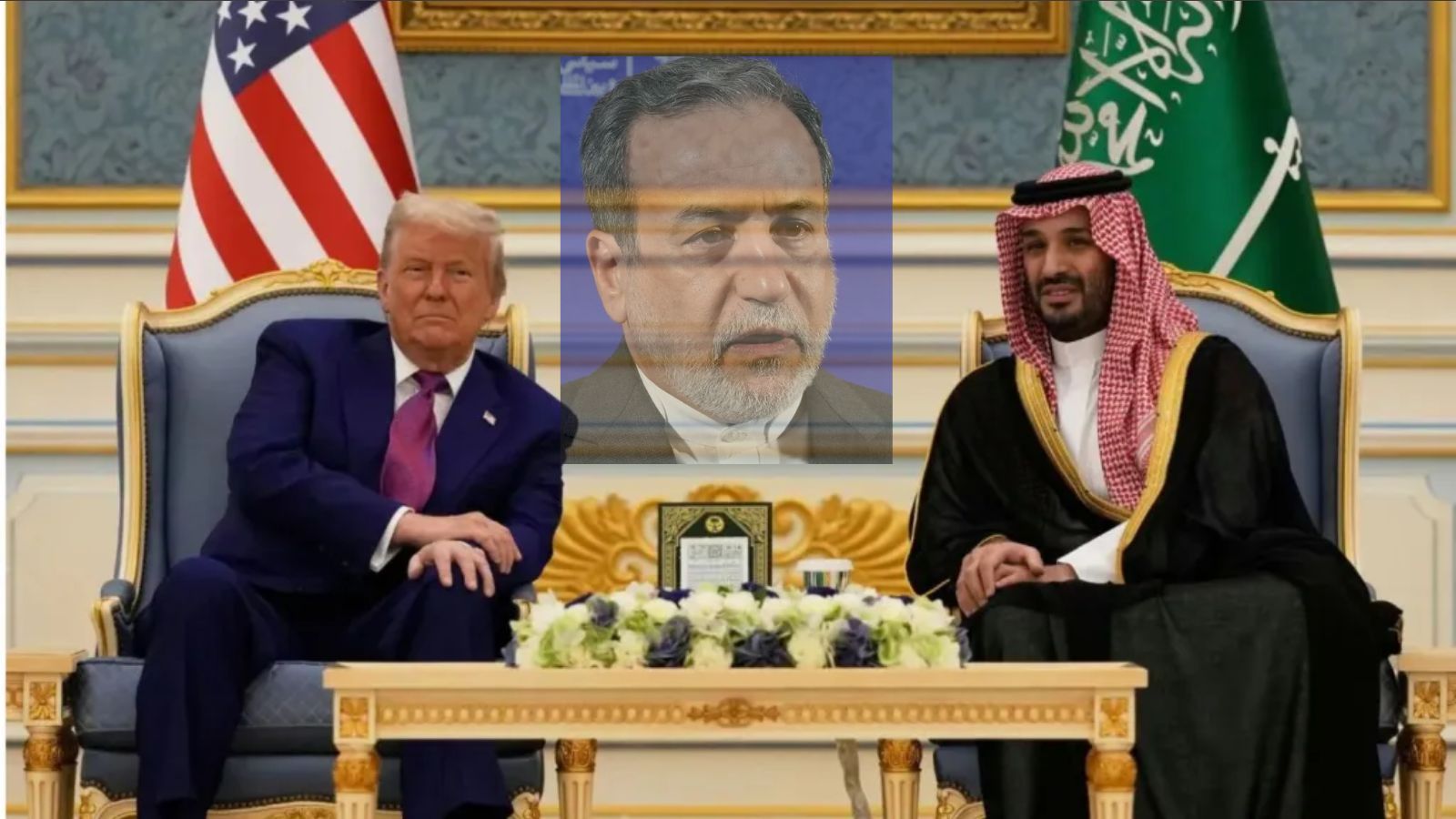
Saudi Crown Prince Mohammed bin Salman (MBS) reportedly urged US President Donald Trump to halt massive strikes against Iranian energy targets. Following the call, Trump announced a pause in military operations pending a potential deal.
Key Takeaways
- Crown Prince MBS expressed deep concern over potential US strikes on Iranian energy infrastructure.
- President Trump announced a pause on new strikes following discussions on a potential mediation deal.
- The proposed deal aims to reopen the Strait of Hormuz and address Iran's nuclear threats.
- Saudi Arabia fears regional escalation and retaliatory attacks on Gulf energy facilities.
In a high-stakes diplomatic maneuver, Saudi Crown Prince Mohammed bin Salman (MBS) has urged US President Donald Trump to avoid launching massive new strikes against Iran. According to reports from Axios, the Saudi leadership is deeply concerned that a large-scale US military offensive could trigger a broader regional war, putting critical energy infrastructure at extreme risk.
The intervention came immediately after Trump announced on social media that he would hold off on planned attacks. Trump noted that mediators had reached the broad outlines of a deal intended to end the five-month-long conflict. He stated the deal would focus on the immediate opening of the Strait of Hormuz and addressing Iran's nuclear program.
Why This Matters
BozokMedia analysis shows that the stability of the Persian Gulf is inextricably linked to global economic security. Any direct military confrontation involving Iran's energy targets or Saudi oil installations could cause an immediate spike in global oil prices and destabilize international markets.
The diplomatic intervention by Riyadh highlights the pivotal role Saudi Arabia plays in balancing US military ambitions with regional stability.
The primary driver behind MBS's urgency is the fear of Iranian retaliation. Saudi officials worry that if the US strikes Iranian energy sectors, Tehran may respond by targeting oil installations and critical infrastructure within the Gulf states, mirroring previous regional tensions.
Historical Background
Tensions between Washington and Tehran have escalated significantly following missile attacks on US bases in Jordan and repeated disruptions to maritime shipping in the Strait of Hormuz. This cycle of provocation and response has brought the region to the brink of a full-scale conflict multiple times in recent years.
Frequently Asked Questions
1. Has a formal ceasefire been signed?
No. While Trump announced a pause in strikes based on a potential deal, officials emphasize that negotiations are ongoing and no final agreement has been reached.
2. What are the terms of the proposed deal?
The proposed framework includes the reopening of the Strait of Hormuz, a halt to regional attacks by various militias, and renewed negotiations regarding Iran's nuclear program.


