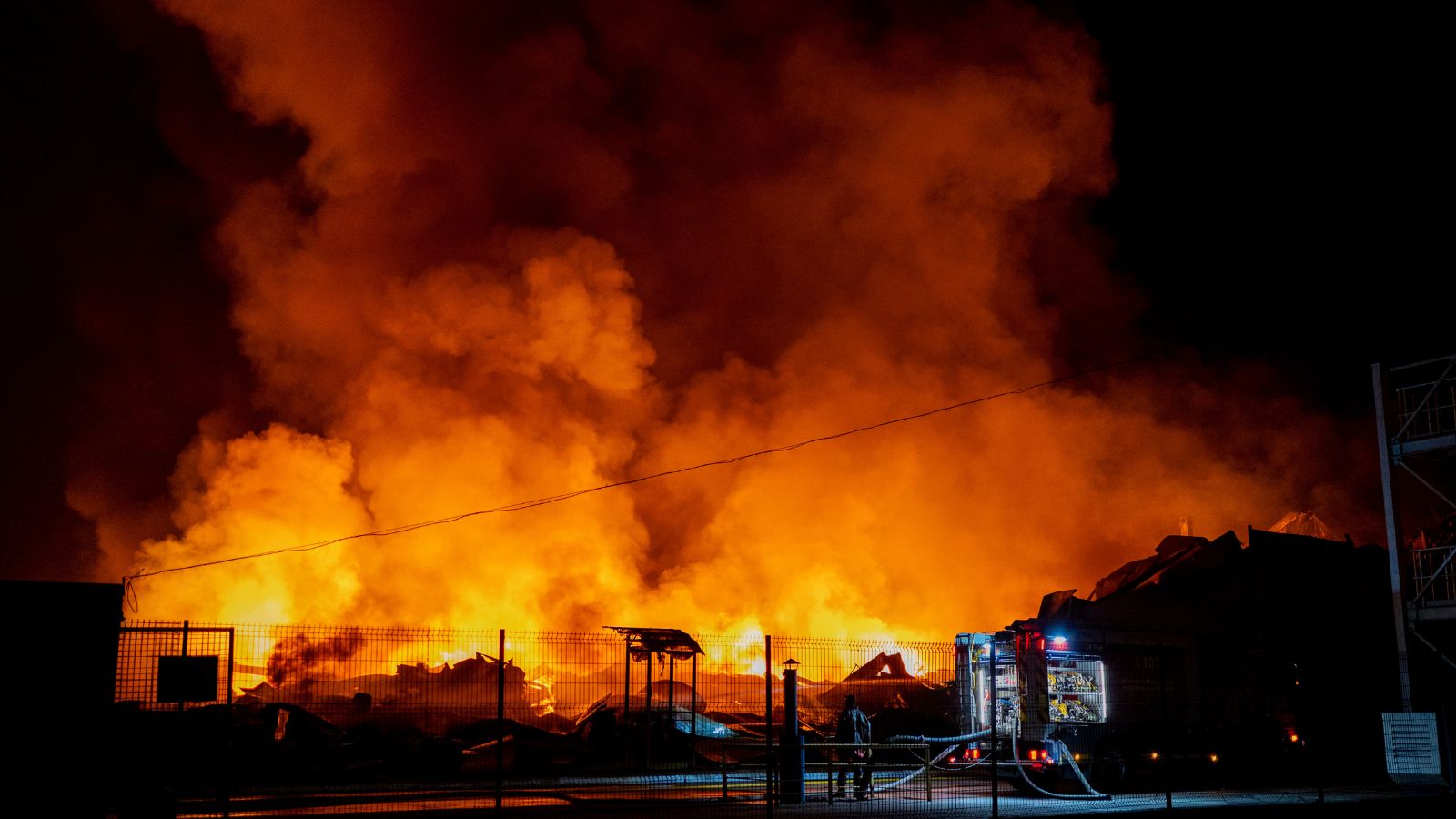
Amidst ongoing hostilities in southern Iran, a single mother from Bandar Abbas reveals the harrowing reality of living through repeated attacks despite official ceasefire claims.
Key Takeaways
- Strategic targets like Shahid Rajaee Port and the local airport have faced simultaneous strikes.
- Despite official ceasefire declarations, residents report continuous bombardment.
- The psychological toll on families, particularly single mothers and maritime workers, is immense.
In the coastal city of Bandar Abbas, the line between peace and war has blurred into non-existence. Parisa*, a 44-year-old single mother, describes a terrifying reality where the sky is frequently filled with smoke from strikes on Shahid Rajaee Port—Iran’s largest commercial hub—and the local airport. These strikes often occur even when official channels claim a ceasefire is in effect.
For Parisa, this is her third experience with war, having lived through the echoes of the 1980s Iran-Iraq War. While international media might label recent escalations as "incidents during a ceasefire," the people on the ground experience it as a relentless, full-scale conflict. The unpredictability of the attacks has turned daily life into a state of constant hyper-vigilance.
Why This Matters
BozokMedia analysis shows that the targeting of dual-use infrastructure—both military and commercial—creates a humanitarian crisis that extends far beyond the immediate blast zone. When commercial ports and airports are hit, the economic stability of the region collapses, and the civilian population is left caught in the crossfire of geopolitical maneuvering.
"The true cost of conflict is measured not in territory gained, but in the shattered resilience of those left to rebuild amidst the ruins."
The anxiety is particularly acute for families with members working at sea. Parisa’s son, a maritime worker, faces constant danger as fishing and commercial vessels have become targets. "How can I ease my anxiety when the only thing I truly have in this life is my son?" she asks, highlighting the profound vulnerability of coastal communities during maritime conflicts.
Historical Background
Bandar Abbas has long been a strategic flashpoint due to its proximity to the Strait of Hormuz. Historically, control over this region has been vital for global energy security, making it a recurring target in regional conflicts, including the devastating eight-year Iran-Iraq War.
Frequently Asked Questions
1. Are the attacks in Bandar Abbas officially recognized as war?
While media often describes them as incidental, local residents describe the situation as an ongoing, full-scale war.
2. How has the conflict affected the local economy?
Repeated strikes on the Shahid Rajaee Port and petrochemical facilities have disrupted trade and local livelihoods.