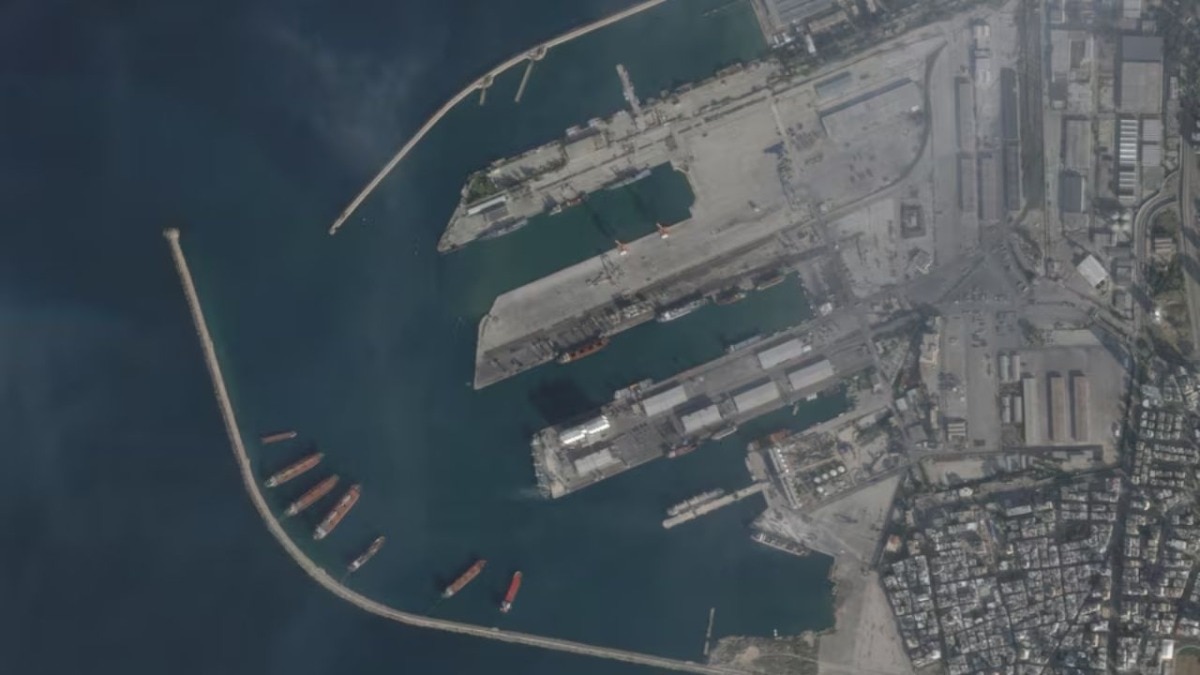
After 18 months of negotiations, Syria and Russia have struck a landmark deal regarding the Hmeimim air base and Tartous port. The agreement shifts civilian facilities to Syrian control while transforming military sites into joint training centers.
Key Takeaways
- Syria and Russia signed a memorandum of understanding regarding Hmeimim and Tartous.
- Syrian administration will assume control of civilian and commercial facilities.
- Military sites will be repurposed as joint Russia-Syria training and qualification centers.
- The transition process is expected to be finalized within three months.
Syria and Russia have officially reached a transformative agreement concerning the future of two strategically vital Russian military installations on the Mediterranean coast. Following 18 months of intense diplomatic negotiations, the two nations have redefined the operational framework for the Hmeimim air base and the Tartous naval facility.
Under the terms of the new memorandum of understanding, the Syrian state administration will take over all civilian-oriented infrastructure. This includes the Hmeimim airport and the commercial berths at the Tartous port, such as Pier No. 4. Conversely, the strictly military components of these sites will be reorganized into joint training and qualification centers for both Russian and Syrian personnel.
Why This Matters
BozokMedia analysis shows that this deal represents a sophisticated diplomatic pivot by the interim Syrian government. Following the overthrow of Bashar al-Assad in late 2024, the new administration led by Ahmad al-Sharaa has been navigating a complex path between maintaining essential security ties with Moscow and asserting national sovereignty. By reclaiming commercial assets, Syria is positioning itself for economic reintegration while retaining Russia as a strategic security partner.
This reorganization marks a shift from foreign military dominance to a model of collaborative security, reflecting Syria's evolving political landscape.
The deal is also a reflection of Syria's broader efforts to normalize relations with the international community. While maintaining the Russian presence, Damascus has simultaneously moved to strengthen ties with the United States, Europe, and Arab nations, signaling a departure from the isolationist policies of the previous regime.
Comparison: Old vs. New Arrangement
| Feature | Previous Arrangement (Assad Era) | New Agreement (Shara Era) |
|---|---|---|
| Primary Control | Russian Dominance | Joint/Syrian Civilian Control |
| Hmeimim Air Base | Exclusive Russian Military Use | Joint Training Center |
| Tartous Port | Russian Commercial Operations | Syrian Civilian Administration |
Frequently Asked Questions
1. How long will it take to implement this new deal?
The transition of facilities to Syrian control is expected to be completed within the next three months.
2. Does this mean Russia is leaving Syria?
No, Russia is maintaining its presence, but the nature of its operation is shifting from unilateral control to a joint cooperation model.