The Trump administration is reportedly expanding social media screening to foreign journalists seeking US visas, alongside tightening stay limits for students and exchange visitors.
Key Takeaways
- The US State Department plans to vet social media accounts of foreign journalists.
- The move aims to ensure applicants comply with US laws and do not pose security threats.
- New stay limits are also being imposed on I, F, and J visa holders.
- Indian nationals, being the largest student group, face significant potential impact.
In a significant shift in immigration policy, the US State Department is reportedly preparing to screen the social media profiles of foreign journalists applying for visas. This move comes as the Donald Trump administration continues to tighten visa regulations, creating new hurdles for international media representatives seeking to report from American soil.
According to an internal memo cited by news outlets, the 'online presence vetting' initiative is being expanded to include representatives of foreign media. This measure is also expected to encompass certain visa applicants from Canada and Mexico. A spokesperson for the State Department emphasized that these screenings are designed to ensure that every foreign national seeking admission respects US laws and does not pose a threat to national security or public safety.
Why This Matters
BozokMedia analysis shows that this policy marks a transition toward digital-first border security. By scrutinizing social media, the US government is moving beyond traditional interviews to analyze an applicant's ideological and behavioral history online. This could create a chilling effect on investigative journalism and free expression for those seeking access to the US.
The integration of social media scrutiny into visa processes transforms a person's digital history into a formal legal determinant for entry.
Beyond social media, the Department of Homeland Security (DHS) has also hardened regulations regarding the duration of stay. New rules are set to establish fixed periods for I visas (journalists), F visas (students), and J visas (cultural exchange visitors), which will take effect 60 days after their official publication.
Impact on Indian Nationals
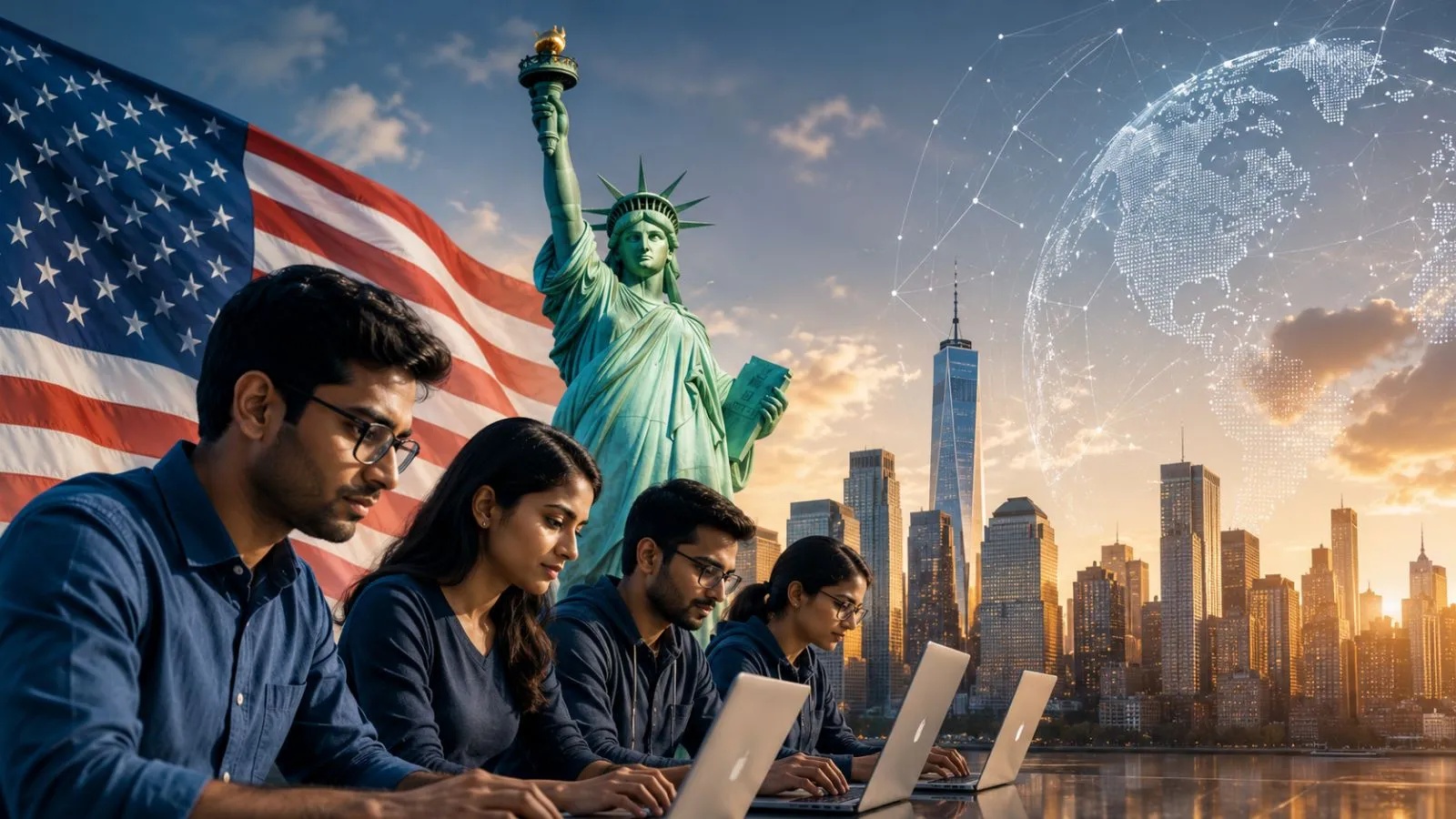
The implications for Indian nationals are profound. India maintains the largest international student community in the United States. Data from the Institute of International Education (IIE) reveals that for the 2024-25 academic year, Indian and Chinese students accounted for 53% of all foreign students in the US. Any tightening of stay limits or enhanced vetting processes could significantly disrupt the educational and professional trajectories of thousands of Indians.
Frequently Asked Questions
1. Which visa types are affected by the new stay limits?
The new rules primarily target I visas for journalists, F visas for international students, and J visas for cultural exchange visitors.
2. Is this a permanent change?
While the policy is moving forward, the specific implementation of journalist-related changes and the finality of stay limits are subject to review by the US Congress.