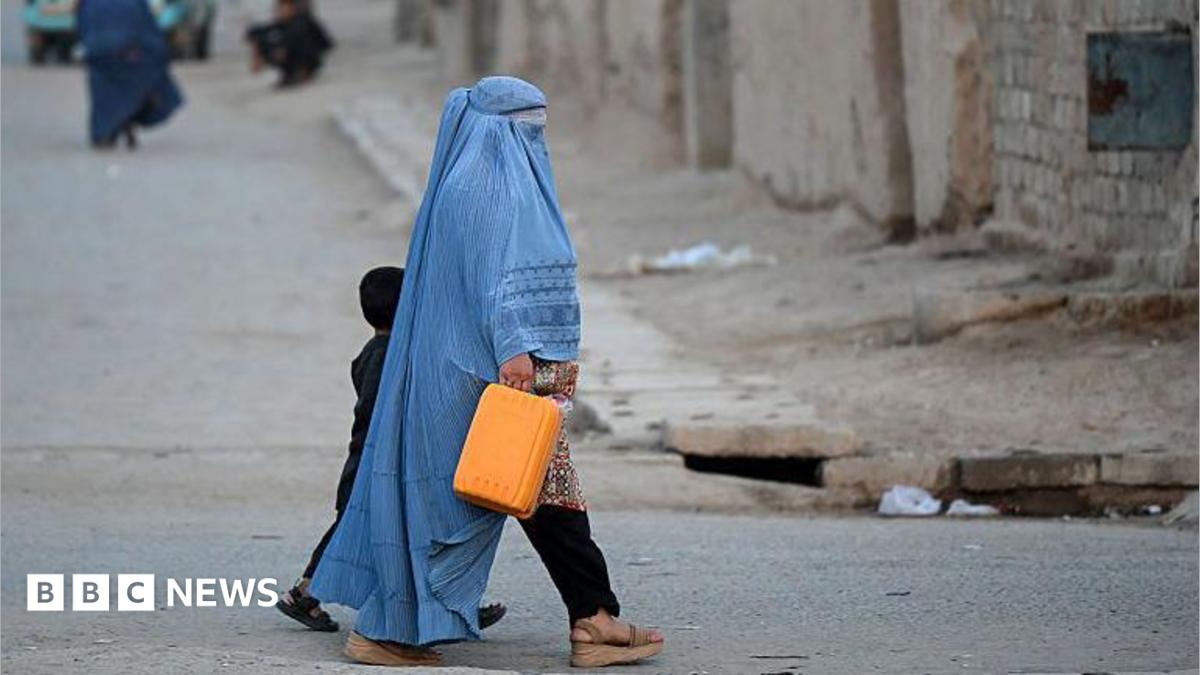
A harrowing report reveals the devastating impact of Taliban rule on Afghan women, citing public floggings, loss of employment, and the total erosion of educational rights.
Key Takeaways
- Afghanistan is the only country globally where girls are officially banned from secondary and higher education.
- Women's employment has plummeted to just 7% due to systemic restrictions.
- Public corporal punishment and strict male chaperone laws are being enforced.
- Severe restrictions on female healthcare access are contributing to high maternal mortality rates.
Five years after the Taliban's takeover, the landscape for women and girls in Afghanistan has undergone a radical and devastating transformation. Speaking to the BBC, women from the bustling streets of Kabul to remote villages shared accounts of lives that are now completely unrecognizable. The hard-line regime has systematically eroded the rights of approximately 22 million women across the nation.
The Death of Ambition and Education
Afghanistan currently stands as the only nation in the world where girls are officially barred from attending secondary and higher education institutions. For many, like Shakiba, who once dreamed of becoming a pilot, the sky is no longer a place of possibility but a reminder of lost potential. While some attempt to bypass these laws through online learning, the structural barriers remain insurmountable for most.
Why This Matters: A BozokMedia Analysis
BozokMedia analysis shows that the systematic exclusion of women from the workforce and education is not merely a domestic policy shift but a catastrophic economic and social blow. By removing half of its productive population from public life, Afghanistan is facing a cycle of poverty and dependency that may take decades to reverse.
"Today, survival has become the priority, and many of us no longer have the time or energy to think about the future." — Ela, a resident of Kabul.
Despite claims from Taliban Foreign Minister Amir Khan Muttaqi that women are not "totally restricted," United Nations data paints a starkly different picture. Only 7% of women in Afghanistan are currently employed, a staggering decline from previous years.
Violence and the Healthcare Crisis
The report highlights the return of public corporal punishment. Women like Shaima have recounted the trauma of being publicly flogged, an experience that leaves deep physical scars and lasting psychological damage to entire families. Furthermore, the restriction on female patients being treated by male doctors has created a deadly barrier in healthcare, contributing to some of the highest maternal mortality rates in the world.
Frequently Asked Questions
1. What is the current status of female education in Afghanistan?
Girls are officially prohibited from attending secondary and higher education levels, making Afghanistan the only country with such a ban.
2. How has the Taliban rule affected women's employment?
Employment among women has drastically declined, with UN reports indicating that only 7% of women are currently in the workforce.