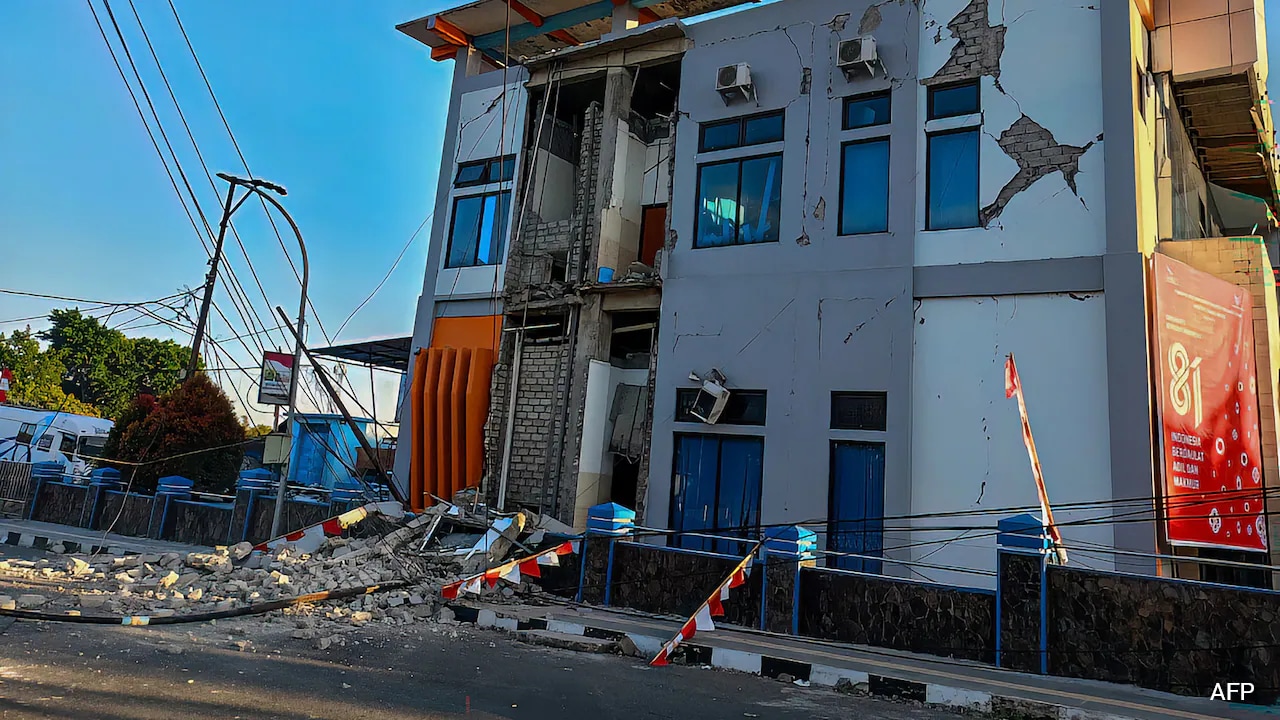
Escalating strikes in the Kerch Strait and Black Sea region are paralyzing agricultural exports, threatening to trigger a global food supply crisis similar to 2022.
Key Takeaways
- Increased military strikes in the Black Sea and Kerch Strait are disrupting maritime trade.
- Russia and Ukraine together control over 25% of global wheat exports.
- Rising war-risk insurance premiums are causing shipowners to suspend voyages.
- The convergence of war and climate change (El Niño) poses a massive systemic risk.
The ongoing Russia-Ukraine conflict has entered a volatile new phase, casting a long shadow over global food stability. Recent escalations in strikes targeting ports, grain terminals, and cargo vessels across the Black Sea, Kerch Strait, and Sea of Azov have brought maritime trade to a near standstill. With shipowners increasingly hesitant to navigate these waters due to skyrocketing war-risk insurance premiums, the world faces the specter of a global food supply crisis reminiscent of 2022.
Historical Background
In March 2022, following Russia's full-scale invasion of Ukraine, the FAO's benchmark food price index reached an all-time high. While there was a period of relative calm where grain shipments resumed, the recent paralysis of the Greater Odesa port complex—which handles nearly 90% of Ukraine’s agricultural exports—has shattered that stability. The region remains a critical artery for the world's caloric needs.
Why This Matters
BozokMedia analysis shows that the impact of this regional conflict is systemic and far-reaching. Russia and Ukraine are not just regional players; they are global breadbaskets. Together, they account for more than a quarter of global wheat exports, 15% of corn and barley, and over 60% of sunflower oil. Any disruption in these commodities creates a domino effect, driving up prices for alternatives like soybean and palm oil.
The intersection of geopolitical warfare and climate volatility creates a 'perfect storm' for global commodity markets.
The risk is further compounded by the interaction of multiple global crises. The tension in West Asia (US-Iran) combined with extreme weather patterns like El Niño and European heatwaves could lead to unprecedented supply shocks. Policymakers must treat the Kerch Strait with the same strategic urgency as the Strait of Hormuz to prevent widespread hunger and economic instability.
| Commodity | Combined Russia-Ukraine Global Share |
|---|---|
| Wheat | >25% |
| Corn & Barley | ~15% |
| Sunflower Oil | >60% |
Frequently Asked Questions
1. How does the Kerch Strait affect food prices?
Disruptions in this strait block the export of essential grains, reducing global supply and driving up prices worldwide.
2. Can India mitigate these risks?
Yes, by implementing robust supply-side management and strategic reserves, similar to how India managed fuel and fertilizer shortages during the West Asia conflict.