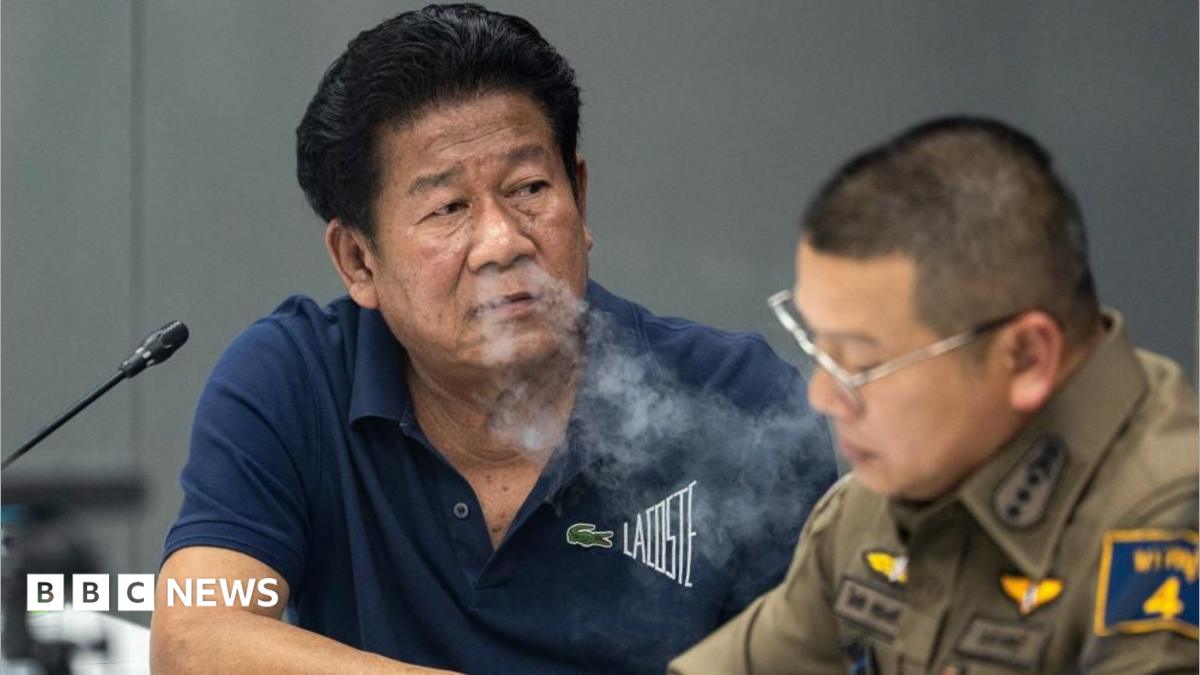
A surge in high-profile shootings has exposed Thailand's massive gun problem, with over 10 million firearms in circulation, including 4 million unlicensed weapons.
Key Takeaways
- Thailand has over 10 million civilian guns, with 4 million being unlicensed.
- Recent shootings, including a school massacre and a political assassination, highlight systemic failures.
- Guns are often viewed as status symbols in Thai society, contributing to a culture of violence.
- Corruption in government discount schemes has fueled the black market.
Thailand is grappling with a profound crisis of gun violence that seems to defy standard regulatory efforts. Just days after a tragic school shooting claimed eight lives, another violent incident rocked the nation when 71-year-old former politician Chalong Riewrang opened fire on a local official, killing him. This pattern of violence is becoming alarmingly frequent across the country.
The scale of the issue is staggering. With an estimated 2,000 to 3,000 gun deaths annually, Thailand's numbers dwarf those of countries like Britain, which has a similar population but fewer than 50 deaths. BozokMedia analysis shows that the proliferation of firearms is not just a criminal issue but a social one, where guns are frequently used in domestic disputes, financial disagreements, and alcohol-fueled altercations.
Why This Matters
The crisis is deeply rooted in both cultural norms and legal loopholes. In many parts of Thai society, wielding power and possessing weapons is seen as a symbol of strength and status. This cultural acceptance, combined with easy access to firearms, creates a volatile environment where minor disagreements can turn lethal in seconds.
"It's very unfortunate that Thailand has a very high tolerance for violence," says Boonwara Sumano of the Thailand Development Research Institute.
Furthermore, the regulatory framework is riddled with gaps. While permits are required, there is a glaring absence of mandatory mental health screenings or strict storage requirements. This was tragically demonstrated when a 14-year-old shooter was able to access his grandfather's legally owned firearm and a vast cache of ammunition without detection.
Historical Context & Corruption
A significant driver of the black market is a government scheme initiated in 2009, allowing officials to purchase firearms at steep discounts. Approximately 200,000 guns are imported annually under this program, many from the US. These weapons can be resold after five years, turning state-sanctioned procurement into a lucrative and often corrupt private business that feeds the illegal arms trade.
Frequently Asked Questions
1. How many guns are in Thailand?
There are more than 10 million civilian-owned guns in circulation, approximately 4 million of which are unlicensed.
2. What is the government doing to stop this?
Prime Minister Anutin Charnvirakul has ordered the suspension of gun discount schemes and is working on stricter laws to limit permit validity.


