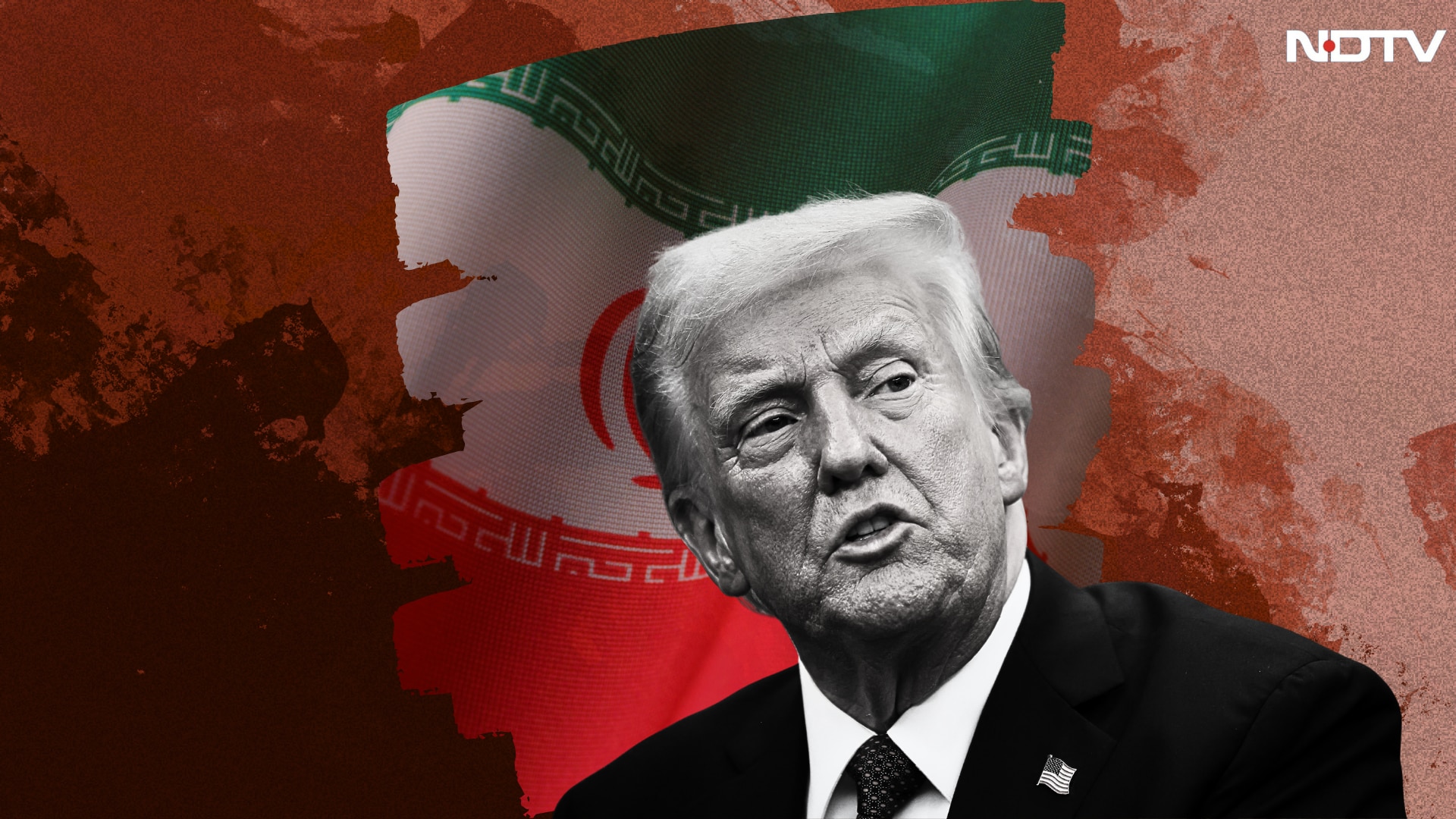
Former US President Donald Trump has labeled Iran's demand for war reparations as an "interesting idea." In a bold turn of events, Trump stated that he would likewise demand compensation from the Islamic Republic in return.
Key Takeaways
- Iran has sought compensation for damages incurred during the last five months of conflict.
- Donald Trump described the demand as an "interesting idea" on Truth Social.
- Trump intends to leverage this by demanding reciprocal compensation from Iran.
Former US President Donald Trump has once again sparked diplomatic controversy via his social media platform, Truth Social. Reacting to the Islamic Republic of Iran's recent call for financial compensation regarding the damages sustained during the last five months of war, Trump expressed a surprising level of intrigue, calling the proposal an "interesting idea."
However, this approval comes with a significant caveat. Trump clarified that if Iran expects to be paid for its losses, the United States—under his potential leadership or influence—would similarly demand reparations from Tehran for the damages caused to American interests and allies in the region.
Why This Matters
BozokMedia analysis shows that this rhetoric is a classic example of Trump's transactional foreign policy. By flipping the narrative, Trump transforms Iran's grievance into a potential financial liability for Tehran. This suggests that any future engagement between the two nations will likely be framed as a high-stakes negotiation rather than traditional diplomacy.
"Trump is utilizing a mirror-strategy; by accepting the premise of compensation, he creates a legal and political framework to penalize Iran financially."
Historical Background
The friction between Washington and Tehran is rooted in the 1979 Hostage Crisis and has been exacerbated by disputes over Iran's nuclear program. During his first term, Trump withdrew the US from the Joint Comprehensive Plan of Action (JCPOA) and reimposed crippling sanctions, which led to a period of extreme tension known as the 'Maximum Pressure' campaign.
Frequently Asked Questions
Q1: Why did Trump call Iran's demand 'interesting'?
A: He is using it as a strategic opening to justify his own financial demands against the Iranian government.
Q2: Is there a legal mechanism for these compensation claims?
A: While international courts exist, the lack of diplomatic ties makes the actual enforcement of such claims nearly impossible without a broader peace treaty.
