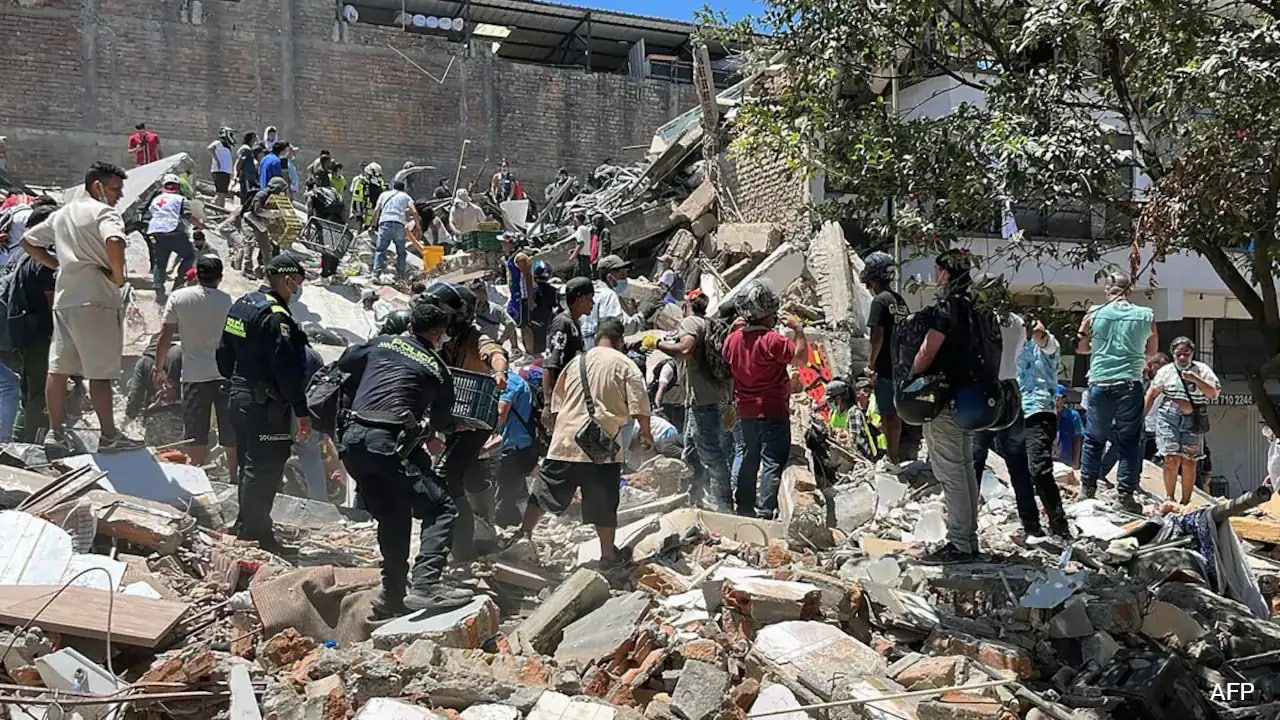
Daniela Largo, who was dramatically rescued from rubble in Pereira after 37 hours, has sadly passed away. The devastating earthquake has claimed at least 294 lives and injured nearly 4,000 people across Colombia.
Key Takeaways
- Daniela Largo, 32, was rescued after being trapped for 37 hours in Pereira.
- Despite initial cheers, she succumbed to her injuries post-rescue.
- The death toll has risen to 294, with nearly 4,000 injured.
In a heartbreaking turn of events, Daniela Largo, a 32-year-old woman who became a beacon of hope for Colombia, has passed away after being pulled from the ruins of Monday's devastating earthquake. Largo was extracted from the debris in the city of Pereira on Tuesday to shouts of joy and applause from rescue workers and onlookers. She had survived for 37 hours trapped beneath the rubble, symbolizing resilience for a nation reeling from the disaster.
However, the celebration was short-lived. Despite the successful extraction, Largo suffered severe injuries and trauma from the prolonged entrapment. Medical personnel fought to save her life, but she ultimately succumbed to her condition. Her death has cast a pall over the rescue operations, serving as a grim reminder of the earthquake's brutality. The current death toll stands at a staggering 294, with nearly 4,000 others injured, as rescue teams continue to sift through the wreckage.
Historical Background
Colombia is situated along the Pacific Ring of Fire, making it highly susceptible to seismic activity. The country has a history of significant earthquakes, with the 1999 Armenia earthquake being one of the deadliest in recent memory, killing over 1,000 people. The current quake in Pereira has brought back traumatic memories for many residents who lived through previous disasters.
Why This Matters
BozokMedia analysis shows that while search and rescue operations are critical, the 'second phase' of survival—immediate and advanced medical care—is often where lives are lost. Cases like Largo's highlight the dangers of crush syndrome and dehydration, which can be fatal even after a victim is freed. This tragedy underscores the need for advanced medical trauma teams to be deployed alongside search and rescue units.
Rescue from the rubble is only the first battle; the physiological shock of compression and dehydration can kill hours or days later, making immediate critical care essential.
Frequently Asked Questions
Q: How strong was the earthquake in Colombia?
A: The earthquake registered a magnitude of 6.1 on the Richter scale, with its epicenter near the city of Pereira.
Q: What is crush syndrome?
A: Crush syndrome is a medical condition characterized by major shock and kidney failure after a crushing injury to skeletal muscle, often seen in earthquake survivors.